
Cold evidence vs spectacle
While the impeachment process is often described as sui generis, it isn’t rules-free.
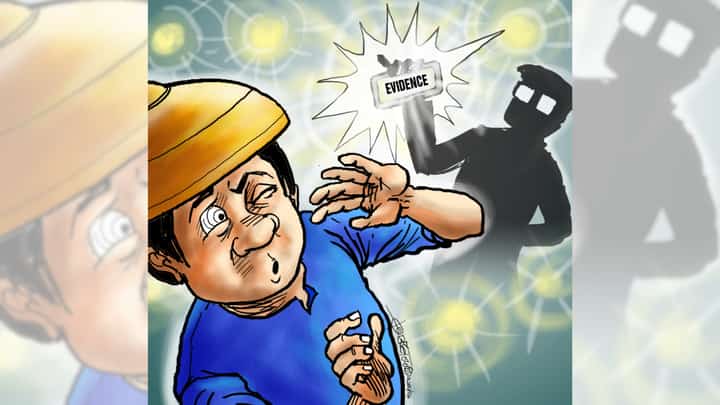
The first three days of the impeachment trial have largely highlighted what critics describe as the campaign to oust Vice President Sara Duterte through public humiliation and, in the process, erode her high approval ratings.
Legal experts, however, warn that the strategy could backfire.
They argue that the House prosecutors’ insistence on replaying only portions showing an enraged Vice President during a two-hour press conference may do more harm than good to their bid for a conviction.
Among them is lawyer Martin Delgra, a former counsel to President Rodrigo Duterte, who pointed to established court practice: If the defense is willing to stipulate the existence of the video and the accuracy of its contents, there is little evidentiary basis for playing it.
It was House Prosecutor Iloilo Rep. Lorenz Defensor who pushed to play the short video during Day 2 of the trial.
Defensor called it a win when they successfully played the video of VP Duterte making death threats against Marcos, First Lady Liza Araneta-Marcos and former House Speaker Martin Romualdez.
The defense objected. Defense lawyer Carlo Narvasa demanded that the full recording be played for “full context” rather than cherry-picking portions. Presiding officer Chiz Escudero ultimately ruled that both sides could choose how to present their evidence, and that it was not improper for the prosecution to use shorter clips.
In that case, the insistence on screening the recording appears less about proving facts than about creating a theatrical spectacle, providing a burden on credibility on every subsequent piece of evidence.
While the impeachment process is often described as sui generis, it isn’t rules-free. If the video’s content is admitted as fact through stipulation, replaying it adds no new probative value to any specific article of impeachment. In an ordinary trial, a judge excludes such in weighing probative value against prejudice.
Such parameters don’t strictly bind impeachment courts, but the repeated overruling of defense objections creates a perception that the supposed fact-finding function is morphing into a public shaming.
Every time obvious stunts by both sides are resorted to rather than the stipulated facts, the process veers away from proving the betrayal of public trust or unexplained wealth and instead seeks to humiliate the accused on national television.
The public perception of an overwhelming political agenda in the supposed pursuit of accountability for high public officials becomes dangerous for the prosecution because it shifts the story away from the actual elements of the articles of impeachment and toward the fairness of the process, a topic that the public is well aware of.
An argument that Delgra put forward is that the tax records don’t actually establish unexplained wealth, and that the photocopies lack a proper evidentiary foundation, citing the sealed Bureau of Internal Revenue (BIR) box and other financial documents used in the trial.
They did not prove anything, except to suggest a pattern in which articles against the Vice President that are harder to prove through documents are compensated for by emotionally charged, already-public material, explaining that the prosecution’s presentations are strong on narrative but thin on elements.
In a trial explicitly acknowledged by both sides as unfolding simultaneously in the impeachment chamber and in public opinion, over-indexing on public opinion is a rational short-term move, albeit a risky one, on the legal merits.
The strategy the prosecution has unveiled thus far has made its position look weaker than it already is.
The defense objected almost as soon as a House prosecutor began an “opening statement” while presenting a witness.
Delgra said the practice departs from standard courtroom procedure, noting that lawyers do not ordinarily deliver opening statements before each witness. Instead, they make a brief offer of testimony, stating the purpose for presenting the witness and the facts their testimony is expected to establish. Since both sides had already delivered their opening statements on the first day of the trial, any subsequent statements by counsel are not evidence.
With an elected official backed by 32 million votes standing trial, the political stakes are undeniable.
That makes strict adherence to the rules of evidence all the more essential. Those rules, Delgra argued, should be applied rigorously — not loosely, as some senator-judges perceived to be sympathetic to the prosecution have suggested.