




The growing appeal of minimalist homes

Modern living calls for simplicity. More homeowners are embracing minimalist design to create timeless, functional spaces that feel effortlessly serene.
Text size
Modern living calls for simplicity. More homeowners are embracing minimalist design to create timeless, functional spaces that feel effortlessly serene.
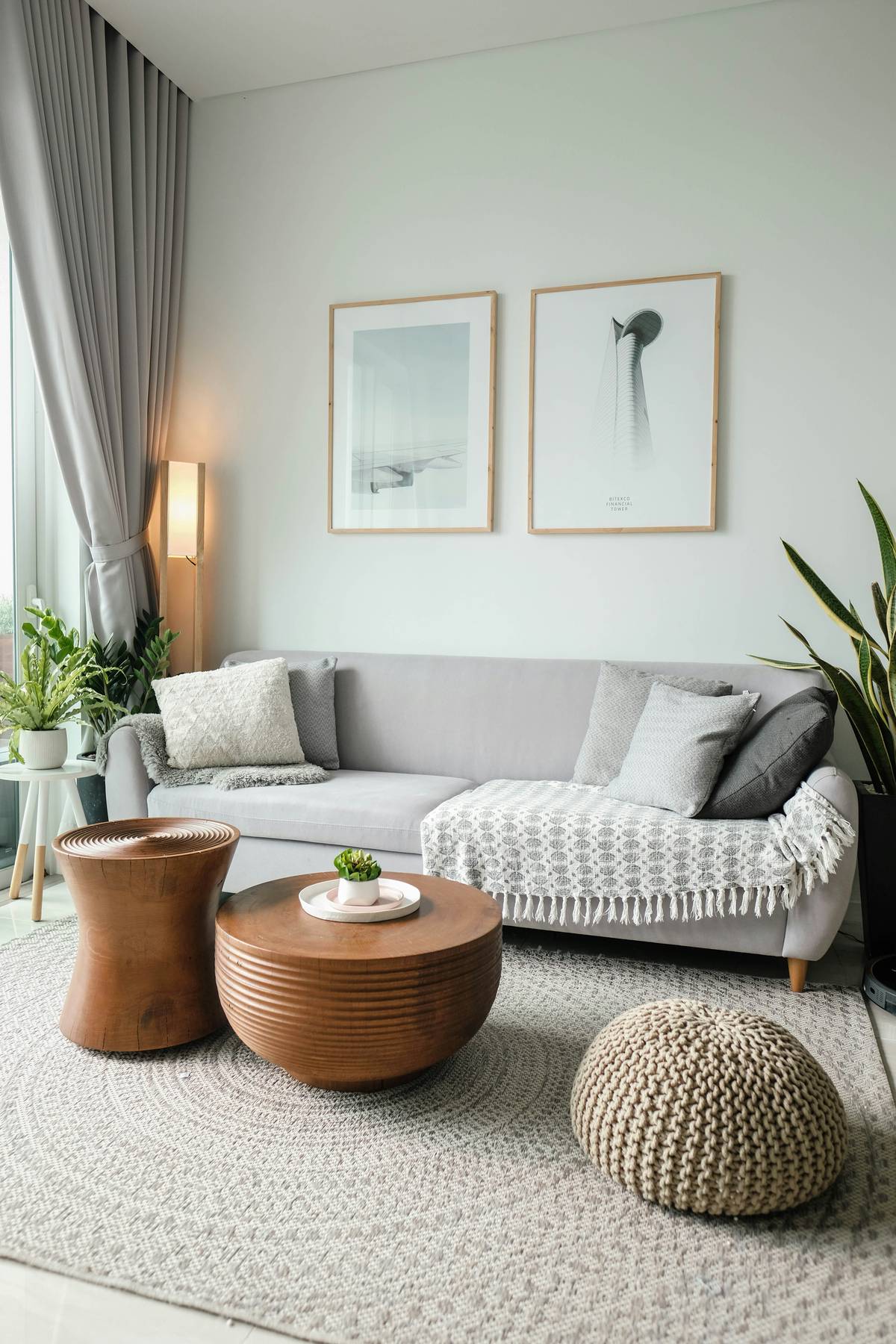
Peaceful communities with functional layouts make intentional living easier.
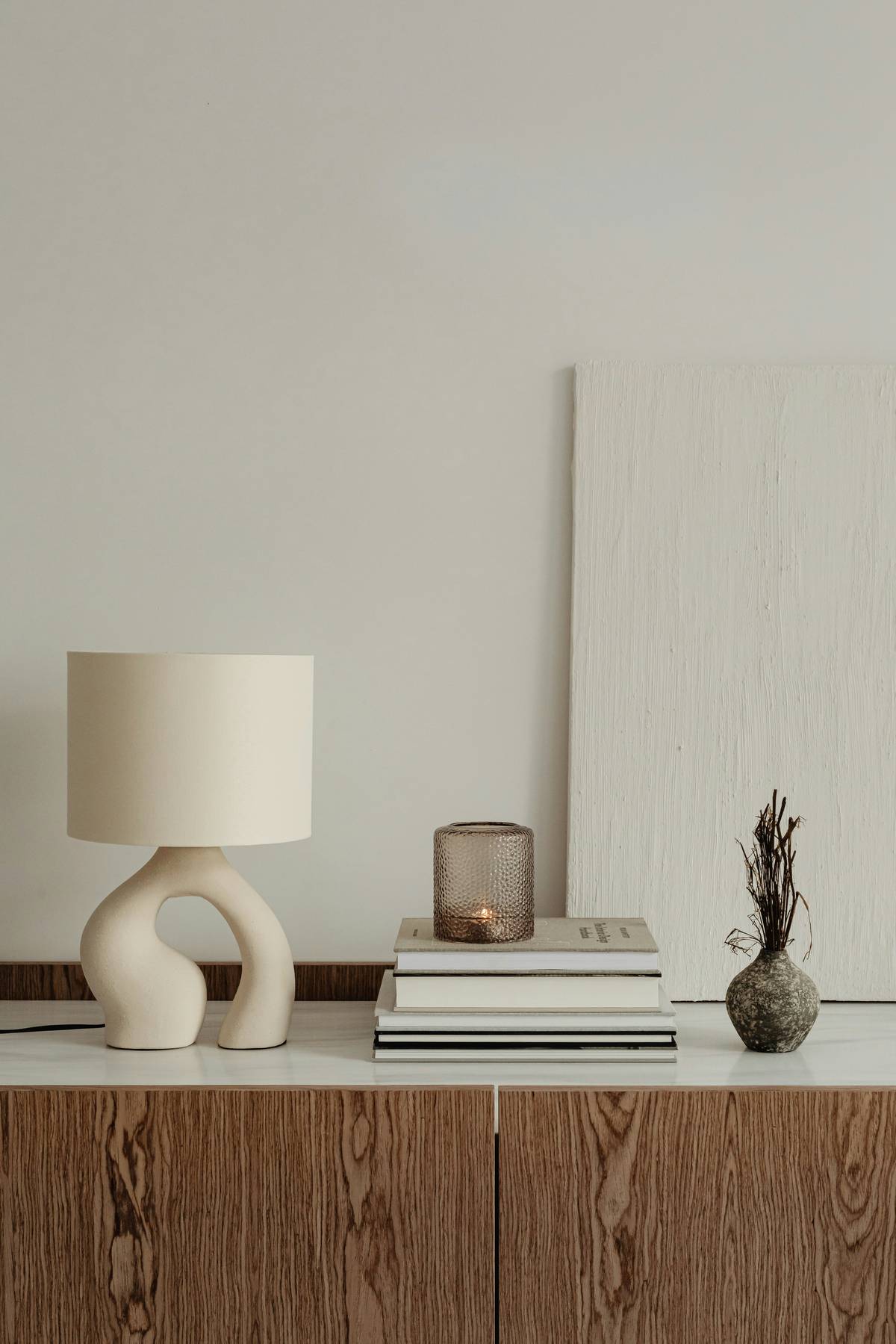
True minimalism extends beyond aesthetics. It cultivates intentional habits, thoughtful decisions and a lifestyle.
Three decades after the Marcopper mining disaster devastated Marinduque’s waterways, the province is again pressing the…
Housing is probably the biggest issue affecting people the world over.
Malacañang on Monday called for a more thorough investigation into the questioned flood control projects in Taguig…
The defense on Monday backed the move by senator-judges to exclude a prosecution witness who testified on the firearms…
As modern life becomes increasingly fast-paced and demanding, more homeowners are embracing minimalist living.
Defined by clean lines, open spaces and clutter-free interiors, minimalist homes offer more than visual appeal. For many, they represent a conscious decision to focus on what truly matters while letting go of unnecessary distractions.
The journey often begins with one of the most challenging yet rewarding steps: decluttering. By removing items that no longer serve a purpose, homeowners create spaces that promote calm, clarity and functionality. Rather than striving for emptiness, minimalism encourages people to keep only what adds value to their daily lives.
Once clutter is reduced, many homeowners begin reimagining how their spaces can better support their lifestyle goals. From sleek modern layouts to warm. The result is a living environment that is easier to maintain and better suited to everyday needs.
Another key principle of minimalist living is choosing quality over quantity. Instead of filling rooms with numerous decorative pieces, homeowners are investing in durable furnishings made from natural and sustainable materials such as wood, stone, bamboo and linen. These thoughtful choices not only enhance the home’s aesthetic but also reflect a growing commitment to sustainability and mindful consumption.
Beyond the physical space, minimalism encourages a shift in mindset. It inspires individuals to become more intentional in their routines, spending habits, and daily decisions. Whether it means reducing stress through better organization or making time for activities that support well-being, the lifestyle emphasizes steady, meaningful progress over instant transformation.
Adopting a minimalist lifestyle does not happen overnight. Small, consistent changes often lead to lasting results, helping individuals build habits that support long-term balance and fulfillment.
Equally important is choosing a home environment that aligns with these goals. Communities designed with practical layouts, open spaces, and a peaceful atmosphere can make it easier for residents to maintain an organized and purposeful way of living.
