
The future of the Filipino diet
The future of Filipino food will be shaped, not by experts, but by the parents deciding what to serve for dinner, the students choosing what online content to consume, the employers investing and making policies on workplace wellness, food companies making bold decisions towards the consumers welfare, communities prioritizing health together.


Maui S. Lopez, nutrition coach, asks, “What will we put on our plates?”
About four out of 10 Filipinos are either overweight or obese, according to the 2021 Expanded National Nutrition Survey (ENNS) of DoST-Food and Nutrition Research Institute (FNRI). As the figures continue to rise, many are asking an important question: What should the Filipino diet and food choices be like going forward?
The answers may not be found in the latest diet trend we see online. Instead, they will likely emerge from the realities of Filipino life — our current economy, our culture, our food environment and a younger generation that is giving so much more value to health and wellness than those who came before them.
It is not a matter of willpower, discipline, or knowledge
Contrary to what many believe, obesity is not an indication of lack of discipline or willpower. It is not as simple as knowing then doing.
Food choices are shaped by availability, affordability and access. Those who live in low-income urban neighborhoods are surrounded by highly processed and instant meals. They are more aggressively marketed, cheaper and available in every neighborhood sari-sari store. It should come as no surprise that many Filipinos fill their plates with these — not out of ignorance, but out of practical necessity.
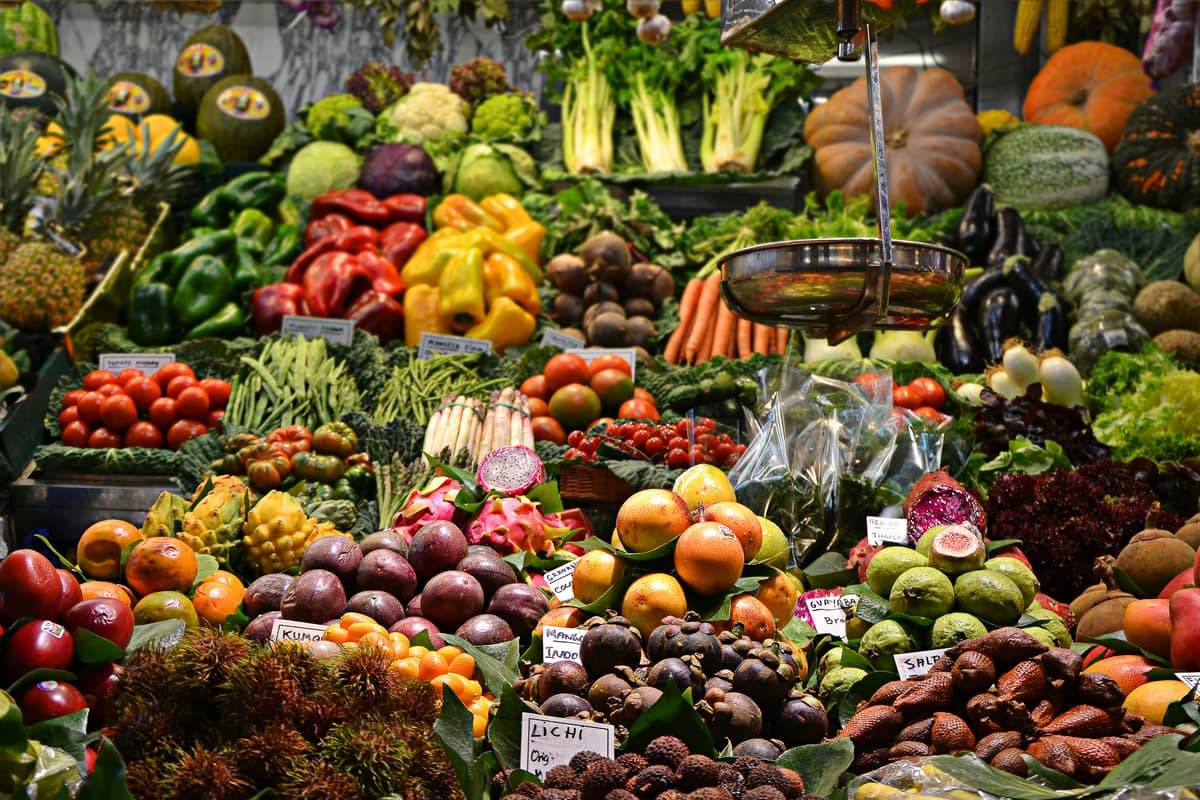
THE future of food will be shaped by the parents, students, employers and food companies making bold decisions. Choosing more vegetables and fruits is one of the ways.
PHOTOGRAPH COURTESY OF UNSPLASH/ jacopo-maiarelli
In most urban areas, local vegetables, root crops and seasonal fruits are not as accessible and affordable as processed food that come in sachets, packets, cans and bottles. One can only imagine the great improvements in the Filipino’s health if whole food becomes the easier choice, not the harder one.
Let’s keep it real: willpower alone cannot fix a broken food environment.
Future of Filipino food draws strength from tradition
This is worth saying plainly: Filipino cuisine is not inherently unhealthy, and the proof lies in our rich heritage.
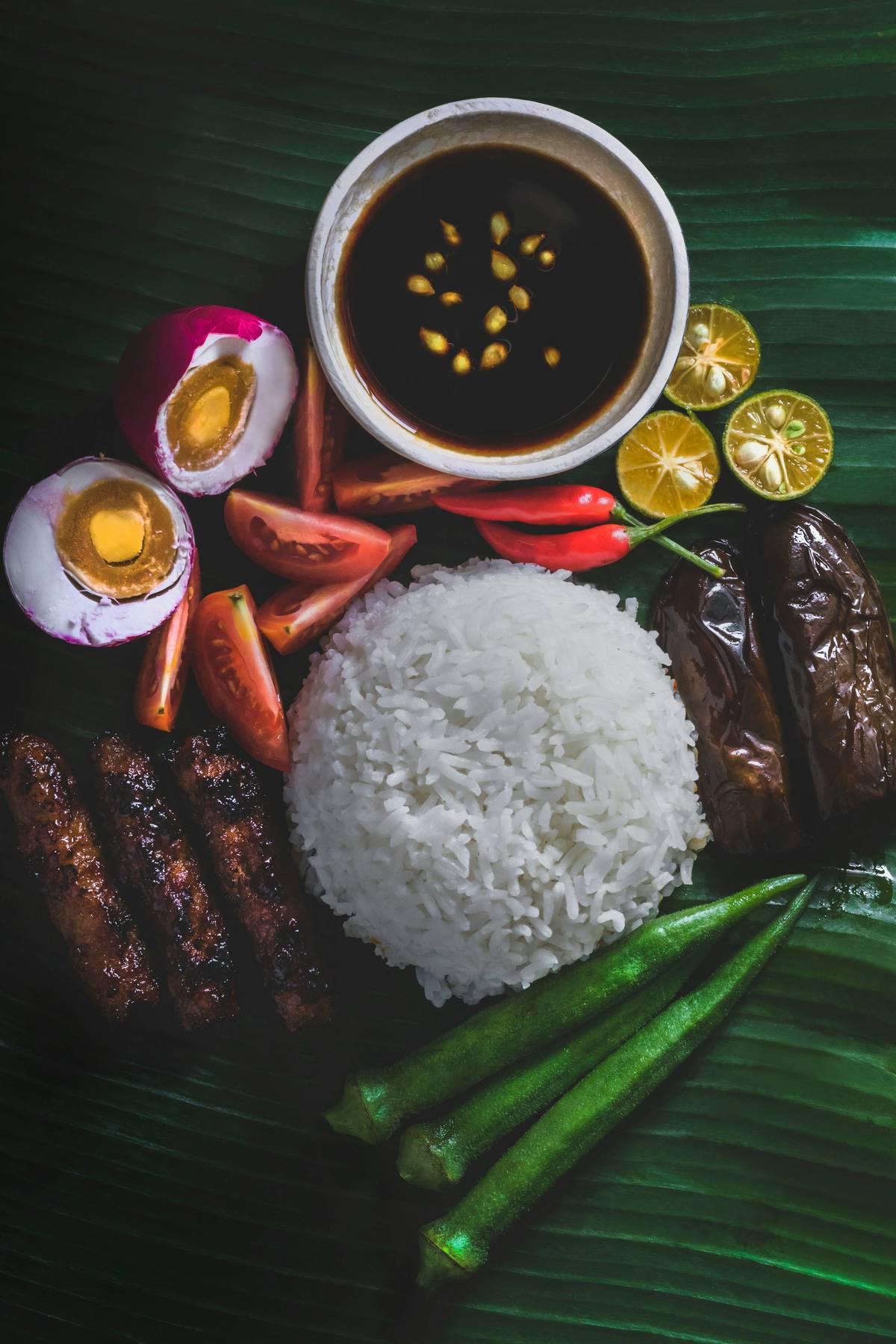
HEALTHY eating begins with everyday choices that are practical, balanced and rooted in Filipino culture.
PHOTOGRAPH COURTESY OF UNSPLASH/ eiliv-aceron
The beloved folk song “Bahay Kubo,” which lists over a dozen vegetables that grow from a humble Filipino backyard, is practically a lesson in nutrition.
The evidence that Filipino food culture was once rooted in abundance and wholeness does not require a nutritionist — it hangs in our museums. Fernando Amorsolo and other national artists spent their careers painting it: Rice fields worked by hand, livestock grazing in open land, market scenes overflowing with fresh produce.
The future of the Filipino food calls us to return to the palengke (market), to the backyard, to the home kitchen where lola’s old recipes are kept.
There is no need to look for the latest trends in food and nutrition. We simply have to keep it real.
Digital influence is also real
Food delivery apps and their enticing promo codes, double-day sales in e-commerce sites, influencer culture, mukbang and trending food all have a grip on our attention and cravings. With just a single tap, that craving can instantly be delivered to your doorstep.
The good news is, that same technology carries the same power to promote better choices. Nutrition coaches, fitness trainers, health and wellness advocates and doctors now reach millions of Filipinos through digital platforms.
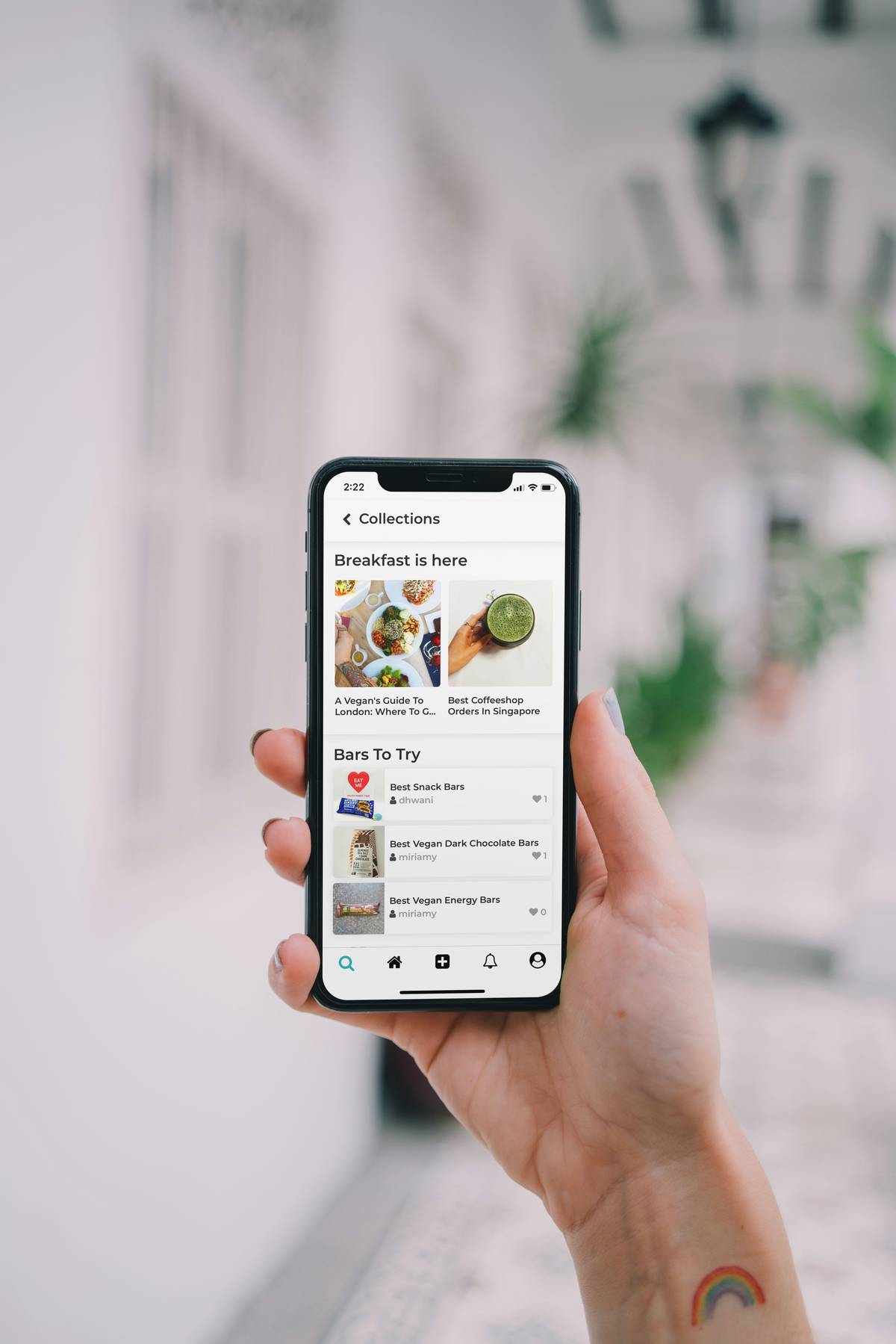
TECHNOLOGY can influence food choices, but it can also empower people to make informed decisions about their health.
PHOTOGRAPH COURTESY OF UNSPLASH/ abillion
Before, information and professional consultations required a visit to the clinic. Today, there are legitimate online sources that make guidance more accessible. The digital environment is contested ground — what would help is for evidence-based nutrition and members of the health sector to also be consistently present in it.
Gen Z and a new definition of health
Perhaps the most promising development is how young Filipinos now put greater value on health and wellness. They are joining running clubs, investing in nutrition and fitness mentorship, tracking health indicators, setting their boundaries, practicing self-care in ways that no other generation has ever done.
What makes it more empowering is that they are not motivated by “looks” alone. They want bodies that allow them to travel, to pursue hobbies, to fully participate in life. They understand that good nutrition is not just about avoiding illness or losing weight, but about building capacity — the capacity to do the things they love and show up for the people they love.
What they put on their plate is not driven by just vanity — it is driven by purpose.
It is not another diet
The future of Filipino food will be shaped, not by experts, but by the parents deciding what to serve for dinner, the students choosing what online content to consume, the employers investing and making policies on workplace wellness, food companies making bold decisions towards the consumers welfare, as well as communities prioritizing health together.
We do not need another imported wellness trend or high-tech bio-hacks. We simply need to be true to ourselves and keep it real. We need eating habits that are practical, rooted in our culture, and sustainable. Eating home-cooked meals more often. Drinking more water. Eating adequate protein. Choosing more vegetables and fruits. Eating slowly. Sharing meals with loved ones. These are not revolutionary changes. These are small things that we can do repeatedly well.