
Marie-Antoinette: A fashion tour de force
The 15th child and the youngest daughter of Emperor Francis I and Empress Maria Theresa of Austria, Marie-Antoinette was Queen consort of France and wife of Louis XVI from 10 May 1774 until the French Revolution and the abolition of the French monarchy in 1792.

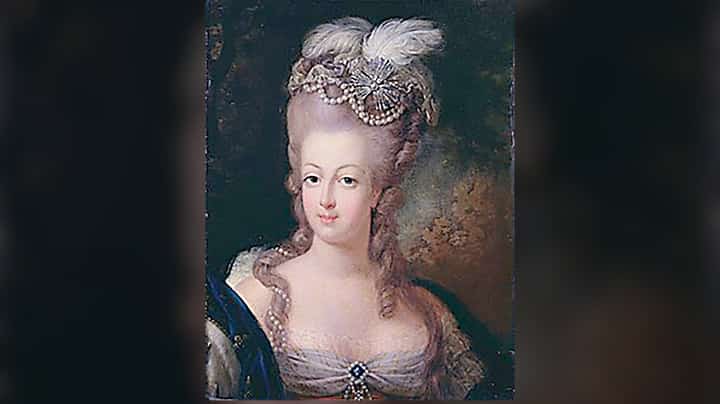
MARIE Antoinette served as the Queen Consort of France through her marriage to King Louis XVI. She held the title from 10 May 1774 until the French monarchy was abolished in 1792 during the French Revolution.
From Vienna and Paris museums to her grand palace and estate in Versailles, and even at her burial site at the cathedral of St. Denis, Marie-Antoinette’s grace, beauty and sense of fashion resound with grit and growth through the ages.
The 15th child and the youngest daughter of Emperor Francis I and Empress Maria Theresa of Austria, Marie-Antoinette was Queen consort of France and wife of Louis XVI from 10 May 1774 until the French Revolution and the abolition of the French monarchy in 1792.
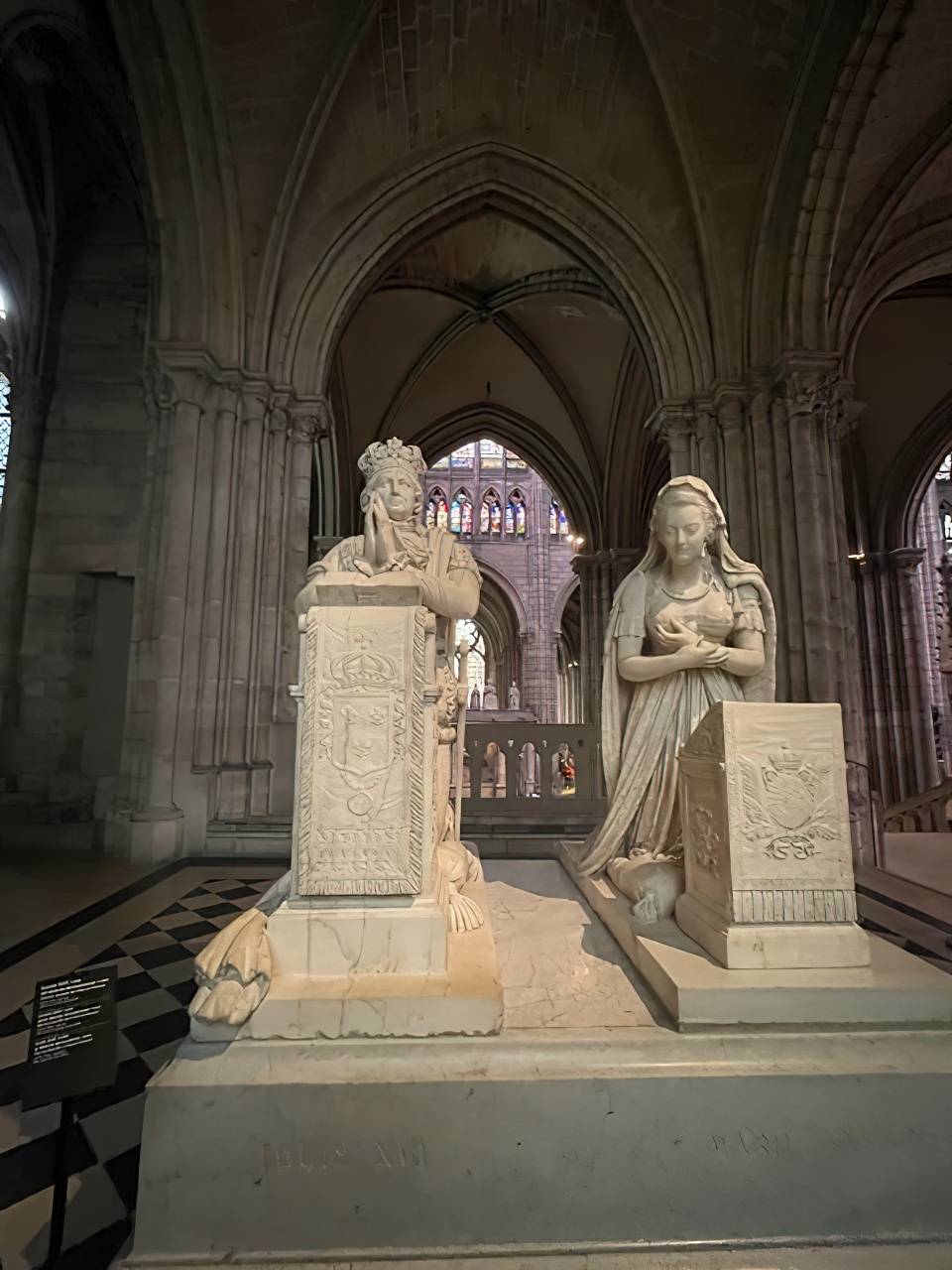
WHITE marble statues represent the funerary monument of King Louis XVI and Queen Marie-Antoinette.
After she met the young Mozart in Vienna, she brought her passion for music, theater and opera to France. At Versailles, she showed her gift for interior decorating and artifact collecting, giving jobs to artisans and artists.
But what cemented her place as “Queen of Fashion” and first muse in the history of design was her collaboration with dressmaker Rose Bertin, self-proclaimed as her majesty’s “Minister of Fashion,” for her own designs, and even designs for her court. Together, Marie-Antoinette and Bertin sought to free the female form from the constraints of formalwear by using lighter materials and limiting the use of the stay only at ceremonial events.
The queen set many trends that first influenced her court then later on trickled down to opera fashions that can still be seen today. Among them are sky-high hairdos. Bertin teamed up with hairdresser Leonard Autier for the queen’s wild poufs, which often reached up to a yard in height and included even vegetation, often capped with white, pink or blue feathers.
Likewise, she made popular the robe a la francaise with wide skirts supported panniers and two box pleats that span from the shoulders to the floor.
Fashion faux pas
But while fashion gave Marie-Antoinette fame and glory, it also contributed to her downfall.
The queen’s en gaulle or robe en chemise that she wore in a portrait painted by Elisabeth Vigee-Le Brun scandalized the Parisian and Versailles court because first, the dress was made of imported muslin cotton instead of “patriotic” French silk. Second, it was frowned upon as an inappropriate ensemble in then etiquette-heavy French court. It didn’t help that she acted at her own “Queen’s Theater” as a milkmaid or a member of the lower class, which further put her etiquettes into question.
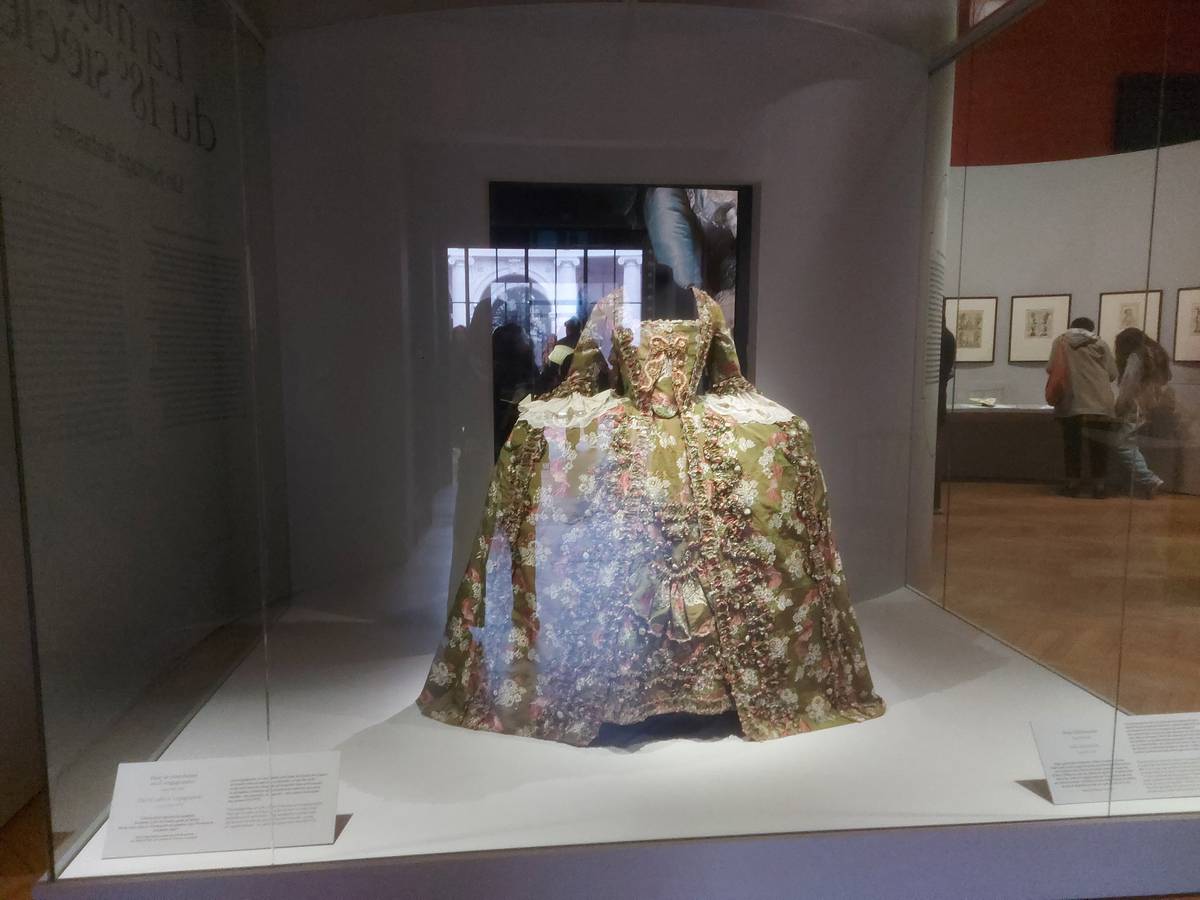
MARIE Antoinette Fashion at Museum Exhibitions French-style dress, circa 1755-1765.
Cardinal de Rohan was arrested in the Hall of Mirrors and imprisoned at the Bastille by order of the king — for purchasing a necklace on behalf of the queen — in an event called the “Affair of the Diamond Necklace.” The cardinal was made to believe he was having an affair with the queen, but was later found out to be a prostitute who looked like the queen and copied her, and for this prostitute he bought the diamond necklace “collier a l’esclavage,” originally made for the Countess Du Barry. Marie-Antoinette refused it several times, despite that the king offered to buy it for her. One of the swindlers that tricked the cardinal into buying the necklace for the queen ran to England to besmirch the queen’s reputation further as a bloodthirsty megalomaniac.
What takes the cake
Another incident that made Marie-Antoinette both fashion victim and victim of fake news was, of course, the quote she is best known for today — “Let them eat cake.” Legend has it that when the queen was told that the people had no bread to eat, she reportedly said, “Qu’ils mangent de la brioche,” which actually literally translates to “Let them eat brioche” and not “cake,” but it circulated as “cake” since brioche is a “rich” bread made of butter and eggs like cake.
There was no evidence proving that the queen really said the quote. But her highly exorbitant lifestyle is on record — Greek temples, lavish gardens, entertainment theaters and saloons with luxurious furnishings and silk wall hangings; an “almost compulsive need to buy jewelry and diamonds” and love for gambling and gambling debts — all paid for by the state budget and brought up at her trial, said historian Cecile Bery in her book Marie-Antoinette at Versailles. Her extreme expenditures only for the pleasure of her small group of friends — funded by public money — made her earn her place at the guillotine.
Perhaps, more than her fashion that has inspired many films and the French macaron shop Ladurée, Marie-Antoinette’s story is a cautionary tale — of what could (and should) happen to today’s corrupt government officials. And don’t you know that Marie-Antoinette has another “Philippine” connection besides corruption? Her sister-in-law who was also guillotined was named Elisabeth Philippine Marie Helene.