
Championing a smarter approach to recovery
‘When you exercise, you create microtears in the muscles,’ he explains. ‘The rebuilding process occurs during recovery.’


For many people, physical therapy begins after an injury. A twisted knee, a strained back, or months of lingering pain often serve as the catalyst for seeking professional help. For Dr. Fahim Pasha, however, physiotherapy is about much more than rehabilitation. It is about helping people move better, live healthier, and prevent problems before they begin.
As associate manager of the Physiotherapy Department and chief physiotherapist at Polarity Wellness Club, Dr. Pasha has built his career around a simple but powerful philosophy: movement is medicine.
In an era when fitness trends continue to gain momentum and more people are embracing active lifestyles, his message resonates with both athletes and everyday professionals. Recovery, he believes, should no longer be treated as an afterthought.
“Traditionally, people think of physical therapy only after an injury,” he explains. “But now, especially with the rise of fitness and sports participation, physiotherapy has become preventive. We want to stop injuries before they happen.”

EARLY intervention through physical therapy can help address movement limitations before they develop into more serious conditions.
Finding his calling
Dr. Pasha’s journey into physiotherapy was anything but straightforward.
He initially pursued occupational therapy but struggled to find his footing. Looking back, he openly admits that his academic performance was not where he wanted it to be. What followed was a period of uncertainty and self-discovery.
“I had an identity crisis,” he recalls. “I knew one thing, though — I wanted to help people.”
His search for the right path even led him briefly into veterinary medicine. After a semester, he realized his passion lay elsewhere.
“That’s when I understood that I was more for people,” he says.
The turning point came when he enrolled in physical therapy. Almost immediately, everything clicked. Anatomy, physiology, and biomechanics fascinated him, and he found himself immersed in a field that combined science, movement, and human connection.
“That first semester of PT was when I fell in love with it,” he says.

DR. Fahim Pasha advocates for a preventive approach to physiotherapy, emphasizing movement, recovery and overall wellness as key to long-term health.
Photograph by Yuko Shimomura for DAILY TRIBUNE
Recovery is more than rest
One of the biggest misconceptions Dr. Pasha encounters is the belief that fitness gains come solely from working harder.
Many gym-goers and athletes subscribe to the “more is better” mindset, pushing through soreness and fatigue in pursuit of progress. But according to Dr. Pasha, recovery is where much of the real work happens.
“When you exercise, you create microtears in the muscles,” he explains. “The rebuilding process occurs during recovery.”
Recovery, however, extends beyond simply getting enough sleep. Proper hydration, nutrition, and adequate protein intake all play critical roles in helping the body repair itself.
Unfortunately, many people only begin to prioritize recovery after pain or injury forces them to.
“Once they’re very sore or injured, that’s when they start looking at recovery,” he says. “But awareness is growing, and more people are taking it seriously.”

EARLY intervention through physical therapy can help address movement limitations before they develop into more serious conditions.
Lessons from the sidelines
Among the many stories that have shaped his career, one remains particularly memorable.
During a football match, Dr. Pasha assessed a forward who had suffered a hard tackle late in the game. He noticed signs of instability and recommended that the athlete come off the field for further evaluation.
The player insisted on continuing.
Minutes later, while attempting a header, he landed awkwardly and tore his anterior cruciate ligament (ACL).
“What could have been a short recovery became a six- to eight-month rehabilitation process requiring surgery,” Dr. Pasha recalls.
The experience reinforced an important lesson: Pain and warning signs should never be ignored.
Athletes are often driven by determination and competitiveness, but recovery requires discipline, too.
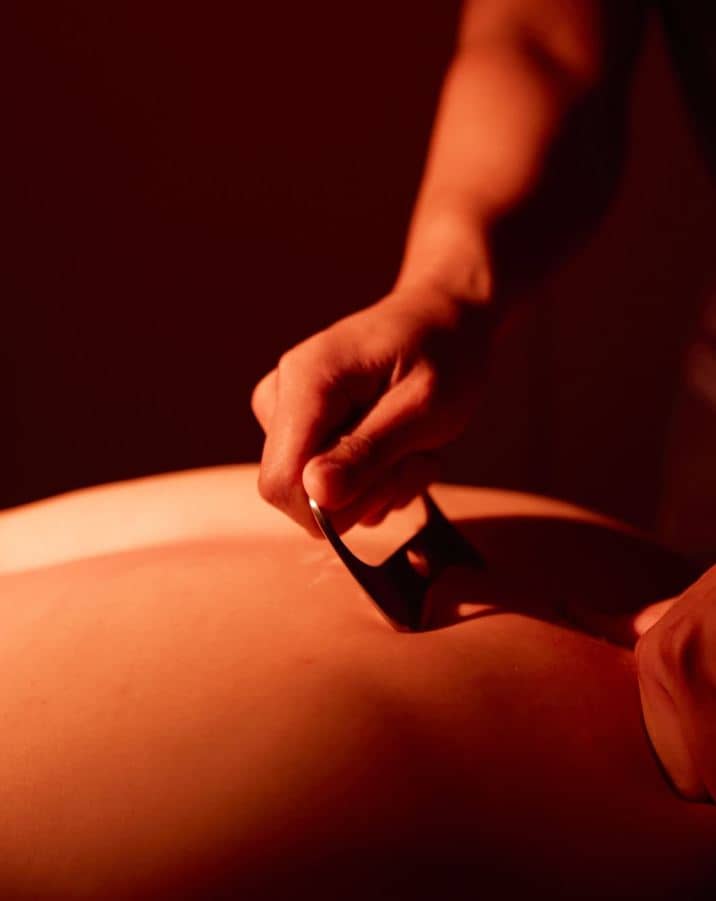
EARLY intervention through physical therapy can help address movement limitations before they develop into more serious conditions.
Treating the modern workforce
While athletes often make headlines, a significant portion of Dr. Pasha’s patients come from a very different demographic: office workers.
Located in the bustling business district of Ortigas, Polarity Wellness Club serves many professionals who spend long hours behind desks. As a result, neck pain, shoulder tension, and lower back problems are among the most common complaints.
“Our bodies are very sensitive,” Dr. Pasha explains. “If one thing changes, everything adjusts.”
Hours spent sitting with poor posture can create muscular imbalances that eventually lead to pain and dysfunction. The solution, he says, is surprisingly simple.
“Stand up every 30 minutes. Walk around. Move.”
Even brief periods of activity can improve circulation, lubricate joints, and reduce the physical stress associated with prolonged sitting.
Humans, he points out, were not designed for sedentary lifestyles.
“We’re meant to move.”
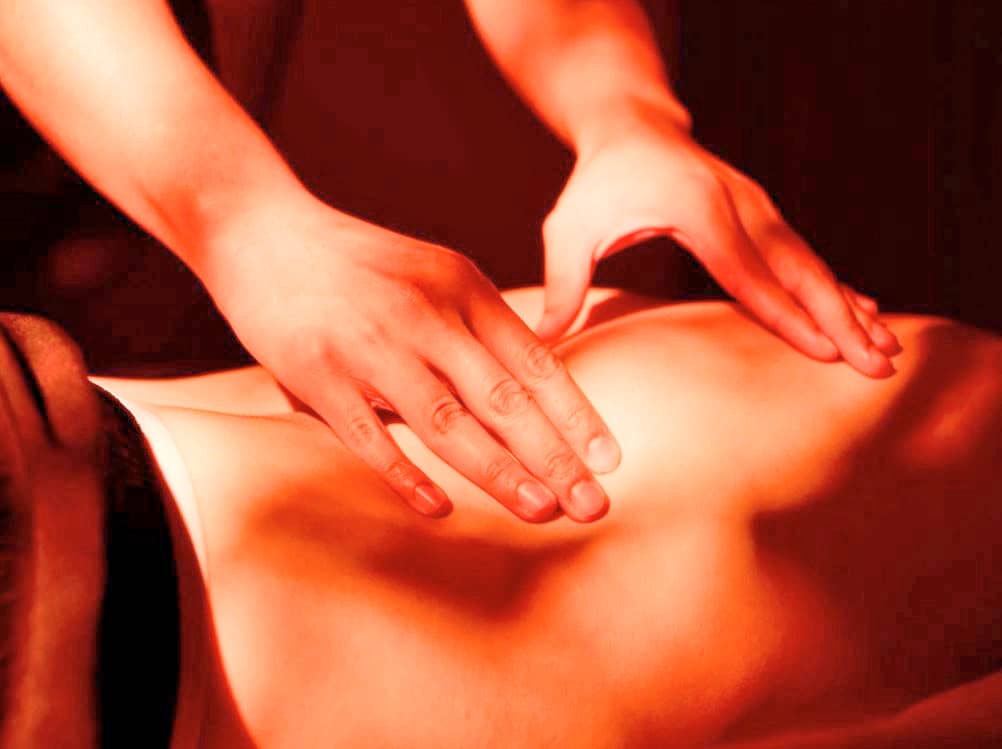
EARLY intervention through physical therapy can help address movement limitations before they develop into more serious conditions.
Health is wealth
As wellness trends evolve, Dr. Pasha is encouraged by the growing emphasis on preventive care and data-driven treatment.
Advancements in body composition analysis, mobility assessments, and recovery technologies are allowing practitioners to create highly personalized treatment plans. Rather than applying a one-size-fits-all approach, clinicians can tailor interventions to each individual’s unique needs.
Yet despite the technological innovations transforming the industry, Dr. Pasha continually returns to the fundamentals — sleep, hydration, nutrition and movement. These remain the foundation of long-term health.
He is particularly passionate about educating people on the importance of rest, noting that even a single night of poor sleep can affect the body for days.
Stress, too, carries consequences. Elevated cortisol levels can impact recovery, energy levels and overall well-being.
“Health is wealth,” he says. “Nothing matters when you’re sick.”
It is a message that feels especially relevant in today’s fast-paced world. Through his work, Dr. Fahim Pasha is helping people understand that recovery is not a luxury reserved for elite athletes. It is an essential investment in health, performance and quality of life.
And sometimes, the most powerful prescription is also the simplest: Keep moving.