
When beauty becomes obsession
I always tell patients: cosmetic surgery works best when it complements a strong foundation, not when it becomes the foundation of your happiness.

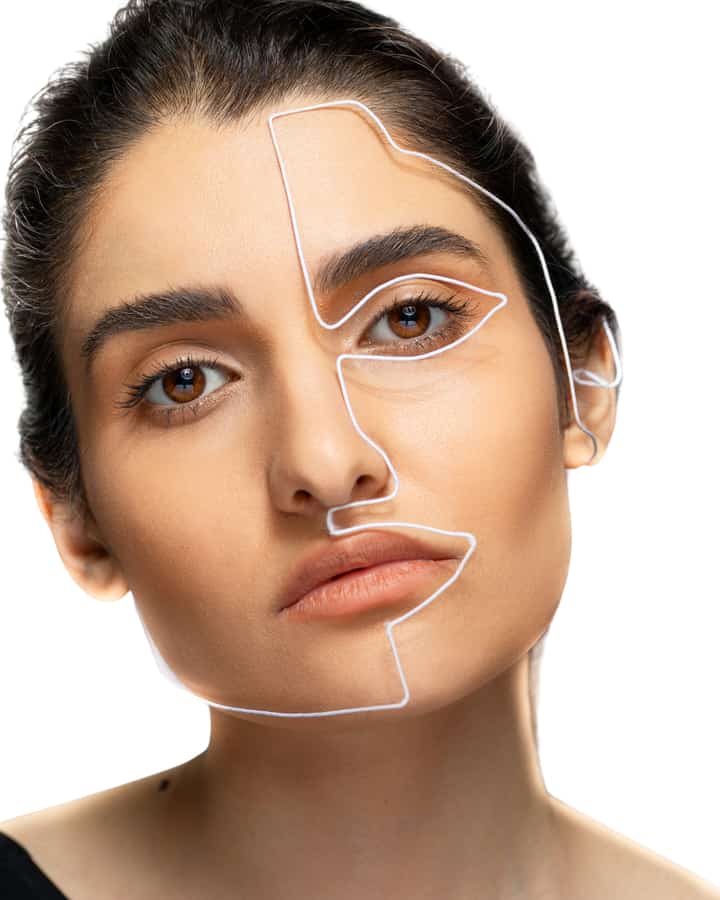
THE best cosmetic surgery enhances a person’s confidence in a natural way, without creating a sense that they always need further changes.
In 2026, beauty is algorithmic. Every scroll delivers a parade of razor-sharp jawlines and poreless skin sculpted by filters and apps. This high-pressure culture has birthed “Snapchat dysmorphia,” where we chase pixelated versions of ourselves rather than reality.
At the center of this world stands Dr. Patrick David C. Tan, lead surgeon at Quezon City’s Ysera Aesthetic Center. While his tools are scalpels and precision, he is the first to admit his work involves navigating much more than physical anatomy. In this exclusive interview, we discuss the delicate balance between enhancement and the human heart.
DAILY TRIBUNE: We hear a lot about people getting hooked on procedures, always chasing that next bit of “perfection.” When someone is sitting across from you, how do you spot that moment where it stops being about self-care and starts becoming an unhealthy obsession?
Dr. Patrick David C. Tan: One of the biggest responsibilities in aesthetic medicine is recognizing when a patient is no longer pursuing improvement but chasing perfection. There’s a very different energy when someone comes in wanting to enhance a feature versus someone who feels they will never be “enough” no matter what procedure is done.
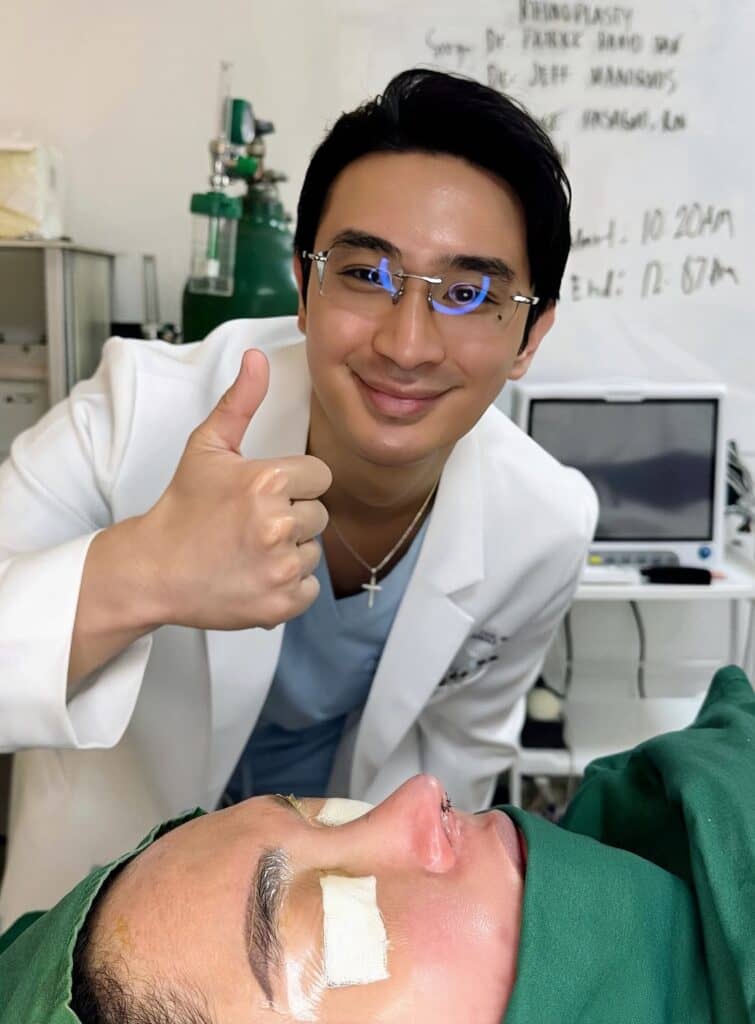
DR. Patrick David C. Tan opens up about balancing the precision of his work with the delicate expectations of clients looking to bring their pixelated perfection to life.
Photograph courtesy of Unsplash
I usually pay attention to patterns: repeated procedures in a short amount of time, obsession over tiny flaws that others barely notice, constantly comparing themselves to edited photos online, or believing surgery will suddenly solve every personal problem in their life.
Aesthetic surgery should enhance confidence, not become an addiction to validation. Sometimes the most ethical thing a surgeon can do is slow a patient down instead of offering another procedure immediately.
DT: Between TikTok filters and “Instagram face,” beauty standards are moving at warp speed. How much of a toll do you think these digital ideals are actually taking on regular people, especially the younger ones coming into your clinic?
PDCT: I think social media has changed beauty standards dramatically, and not always in a healthy way.
Many young people are now comparing themselves not to real human faces, but to filtered, edited, and heavily curated versions of beauty. The problem is that filters erase natural texture, asymmetry, and individuality, which are actually things that make faces human and attractive in real life.
I’ve had younger patients show me filtered versions of themselves and ask to “look exactly like this.” That’s where education becomes very important. I explain that real beauty is dynamic. It moves, it ages, it has personality and character.
As surgeons, we have to be careful not to create clones or trends that erase identity. My goal has always been natural enhancement, results that still look believable, balanced and uniquely you.
DT: It feels like there’s a rush toward extreme diets and quick-fix injections just to hit a certain look. Do you ever run into patients where you can tell their motivation is coming from a place of emotional hurt rather than just wanting a little tweak?
PDCT: Absolutely. More often than people realize. Sometimes patients are not really asking for a procedure. They’re asking for relief. Relief from heartbreak, bullying, rejection, insecurity, or years of feeling “less than.” You can often sense it in the way they speak about themselves. Their motivation carries emotional weight beyond aesthetics.
That’s why consultations are so important. I spend time understanding why they want the procedure, not just what they want changed. There’s nothing wrong with wanting to feel better about your appearance. But when self-worth becomes entirely dependent on physical transformation, that’s when we have to approach things very carefully and responsibly.
DT: At what point do you put down the scalpel and suggest a therapist instead? Have you ever had to flat-out refuse a procedure because you realized the “fix” they needed wasn’t something surgery could provide?
PDCT: Yes, and I believe every ethical aesthetic surgeon should be willing to do that.
If I feel a patient’s expectations are emotionally unrealistic, or if I sense that surgery is being used to fix deeper psychological pain, I would rather decline the procedure than risk harming them emotionally in the long run.
I’ve had patients who were technically “good candidates” physically, but mentally and emotionally, surgery was not the answer at that moment. Those are difficult conversations because patients are vulnerable, and you never want them to feel rejected or judged.
But medicine is not just about what we can do. It’s about what we should do. Sometimes helping a patient means saying “not yet,” or even “no.”
DT: Critics often say the aesthetics world just feeds on people’s insecurities to make a buck. As someone running a business, how do you balance the books while making sure you’re actually protecting vulnerable patients from chasing impossible dreams?
PDCT: That criticism exists because, unfortunately, there are parts of the industry that prioritize trends and profit over patient welfare. But I believe long-term trust is far more valuable than short-term sales.
For me, ethics and business should never compete. In fact, ethical practice is what builds a sustainable reputation. Patients remember honesty. They remember when a doctor protected them instead of overselling procedures.
I’ve turned down surgeries, advised patients to wait, or recommended more conservative approaches even when it meant losing immediate income. Because at the end of the day, our responsibility is not to sell insecurity. It’s to guide patients safely and honestly.
The best cosmetic surgery should make someone feel more confident without making them feel like they constantly need “more.”
DT: After all your years in the OR, what do you think people get wrong about the link between surgery and self-esteem? Can a procedure actually fix how someone feels inside, or are there just some things surgery can’t touch?
PDCT: Surgery can absolutely improve confidence, but it cannot create self-worth from nothing.
The happiest patients are usually the ones who already have a healthy sense of identity and simply want to enhance a feature that has bothered them for years. In those cases, surgery can be empowering and life-changing in a positive way.
But surgery cannot heal loneliness, trauma, insecurity, or emotional wounds by itself. Those are deeper human experiences that require support, relationships, self-acceptance, and sometimes professional mental health care.
I always tell patients: cosmetic surgery works best when it complements a strong foundation, not when it becomes the foundation of your happiness.