
Canvas in motion: Emerging designer Gabby Garcia translates paint into wearable philosophy

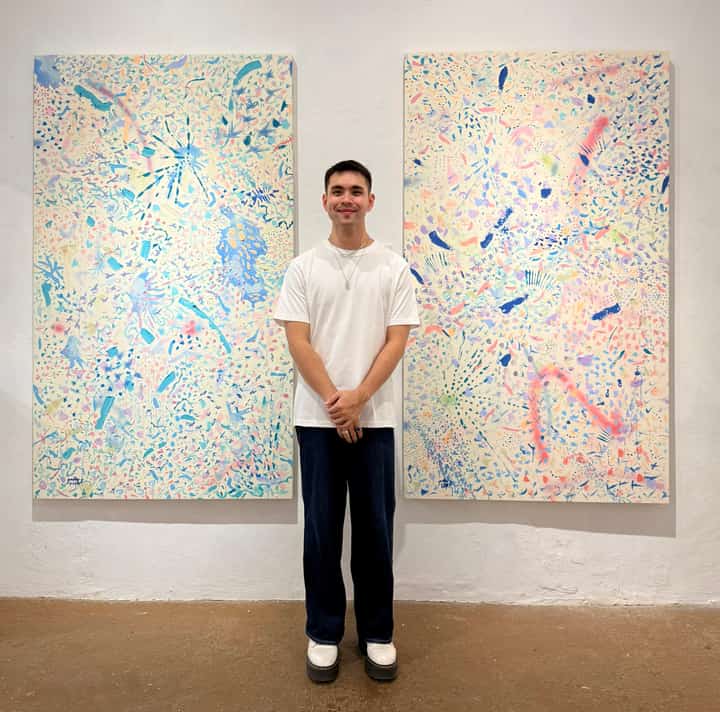
Fashion met fine art in its most poetic sense as emerging designer Gabby Garcia unveiled his 20-look collection, Cracks of Becoming, last Friday, 12 June at the Upper Galleries of the Pintô Art Museum. In true Daily Tribune style — where sartorial innovation intersects with profound cultural dialogue — the showcase brilliantly married Garcia’s vibrant paintings with the structural philosophy of TAGPI, a label anchored in the Filipino ethos of assembling fragmented elements into new, meaningful forms. Rather than masking imperfections, the collection celebrated them, transforming lines of repair into poignant meditations on personal growth and individual histories.

ADAM Pereyra, Viña Romero and Tessa Nepomuceno, Renz Reyes.
Set against the idyllic backdrop of Antipolo, the heavily attended opening drew a stylish crowd of art connoisseurs and fashion insiders who witnessed clothing elevate into canvas. Garcia’s bold, intellectual cuts deliberately highlight the spaces where contrasting textures and ideas meet, turning the acts of patching and assembling into high-art statements. By seamlessly blending localized heritage with contemporary philosophy, TAGPI positions itself at the vanguard of modern Philippine design — proving that fashion is at its best when it refuses to hide what is broken.
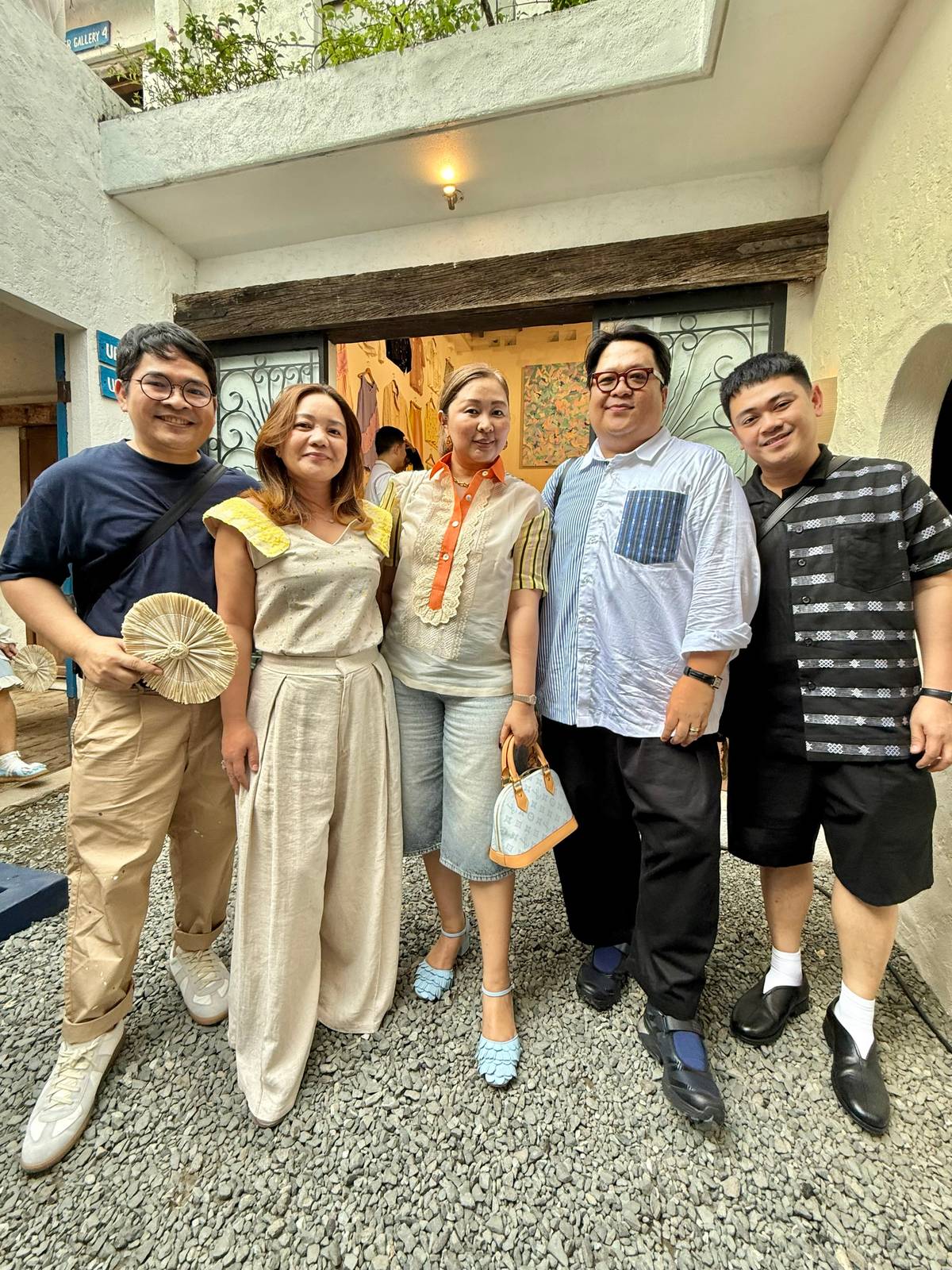
ADANTE Layesa, Sheryl Buenaventura, Jasmine Baac, Leo Bartolome and Dexter Galanta.
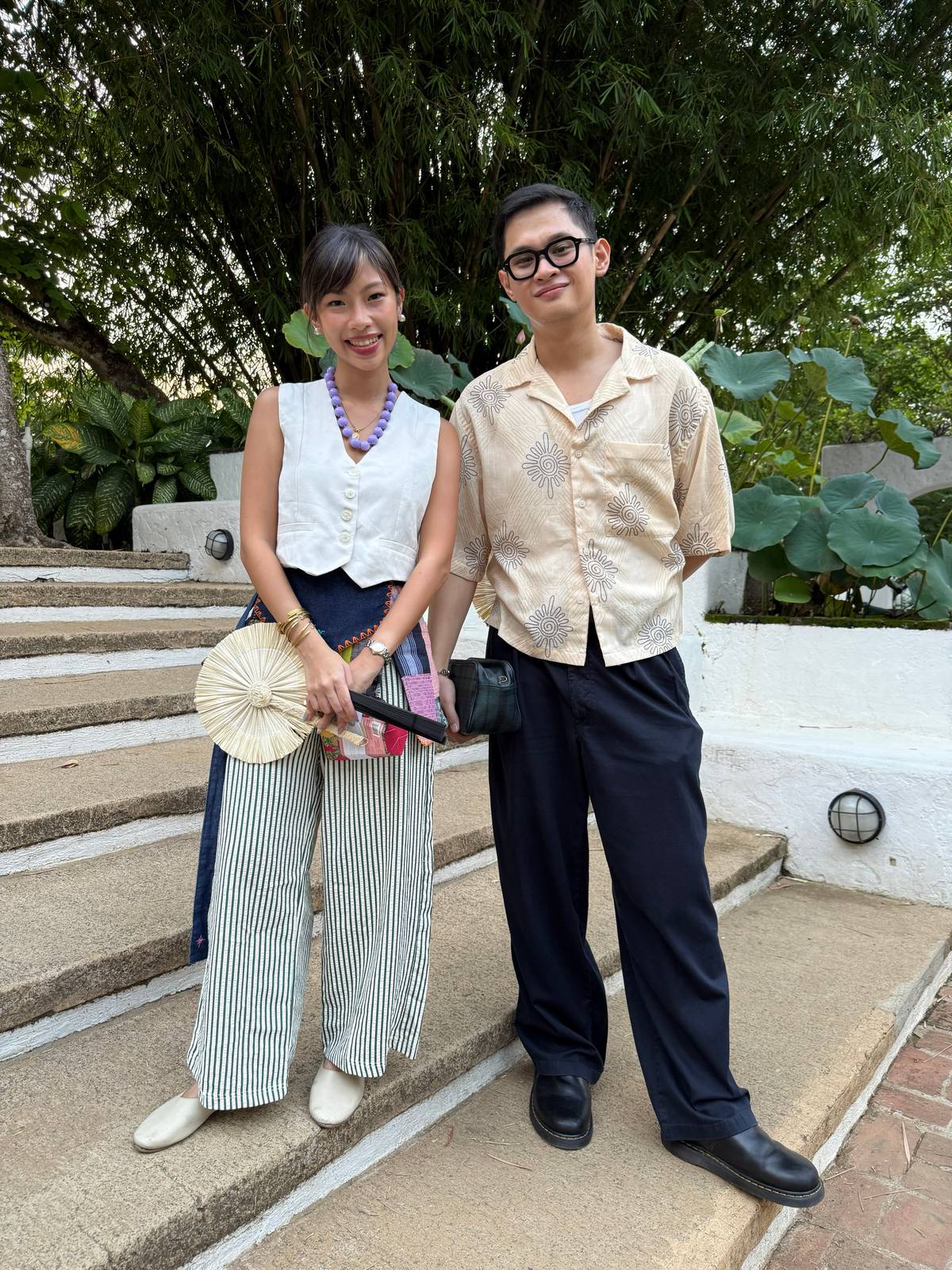
ANNA and Martin Bautista.
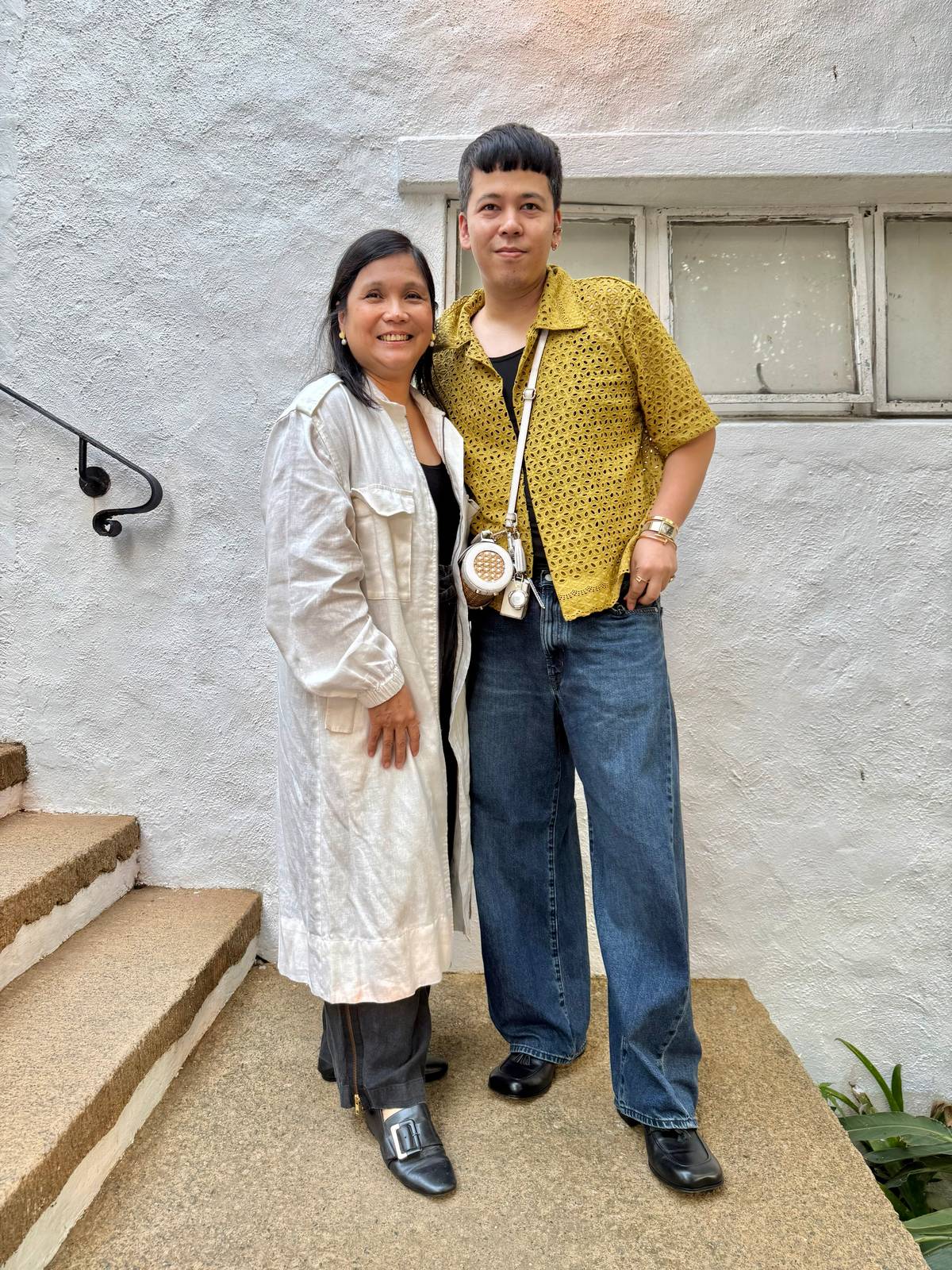
BANJ Claparol and Vin Orias.
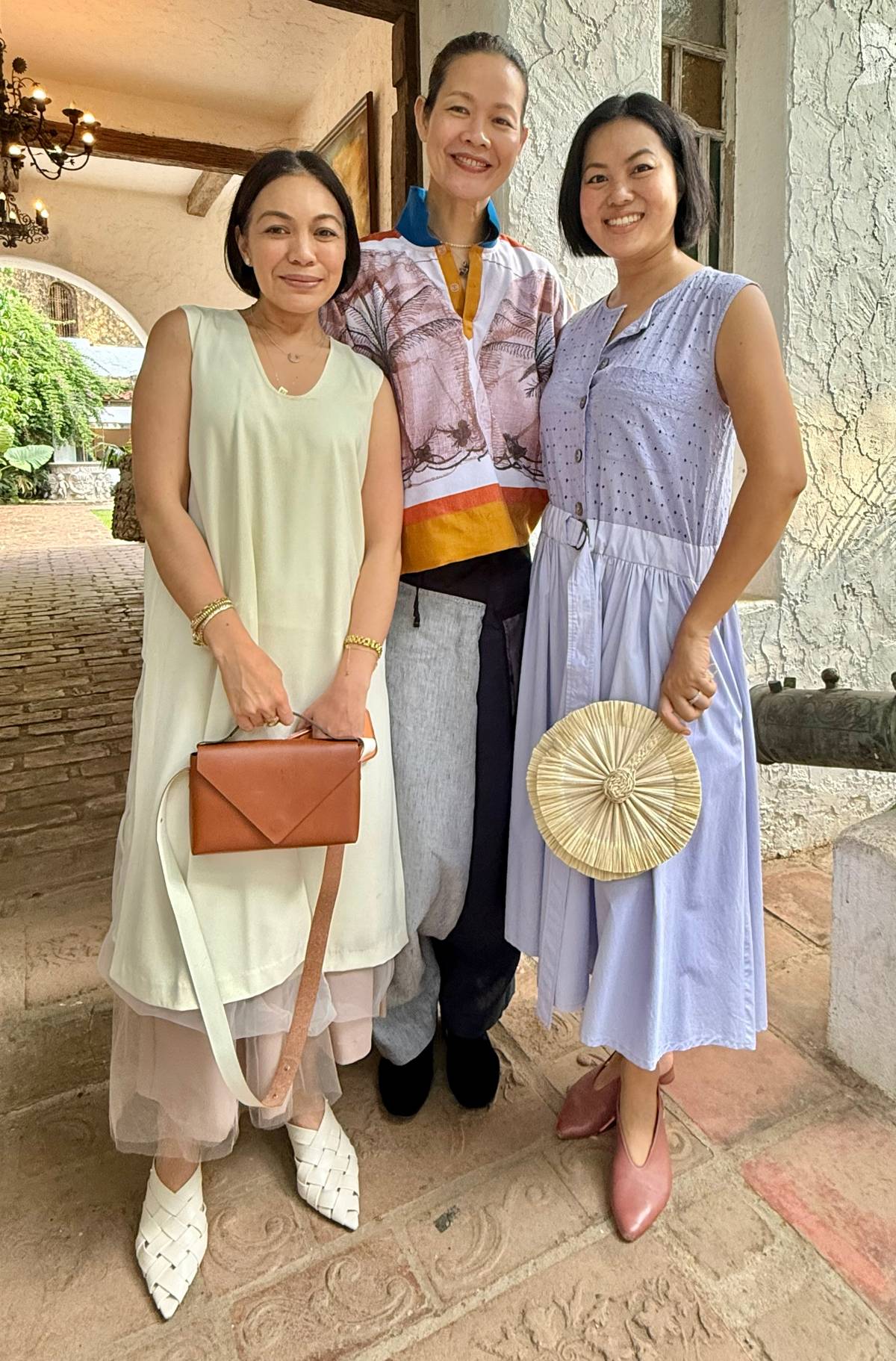
BIANCA Salonga, Jo Ann Bitagcol and Jill Wee.
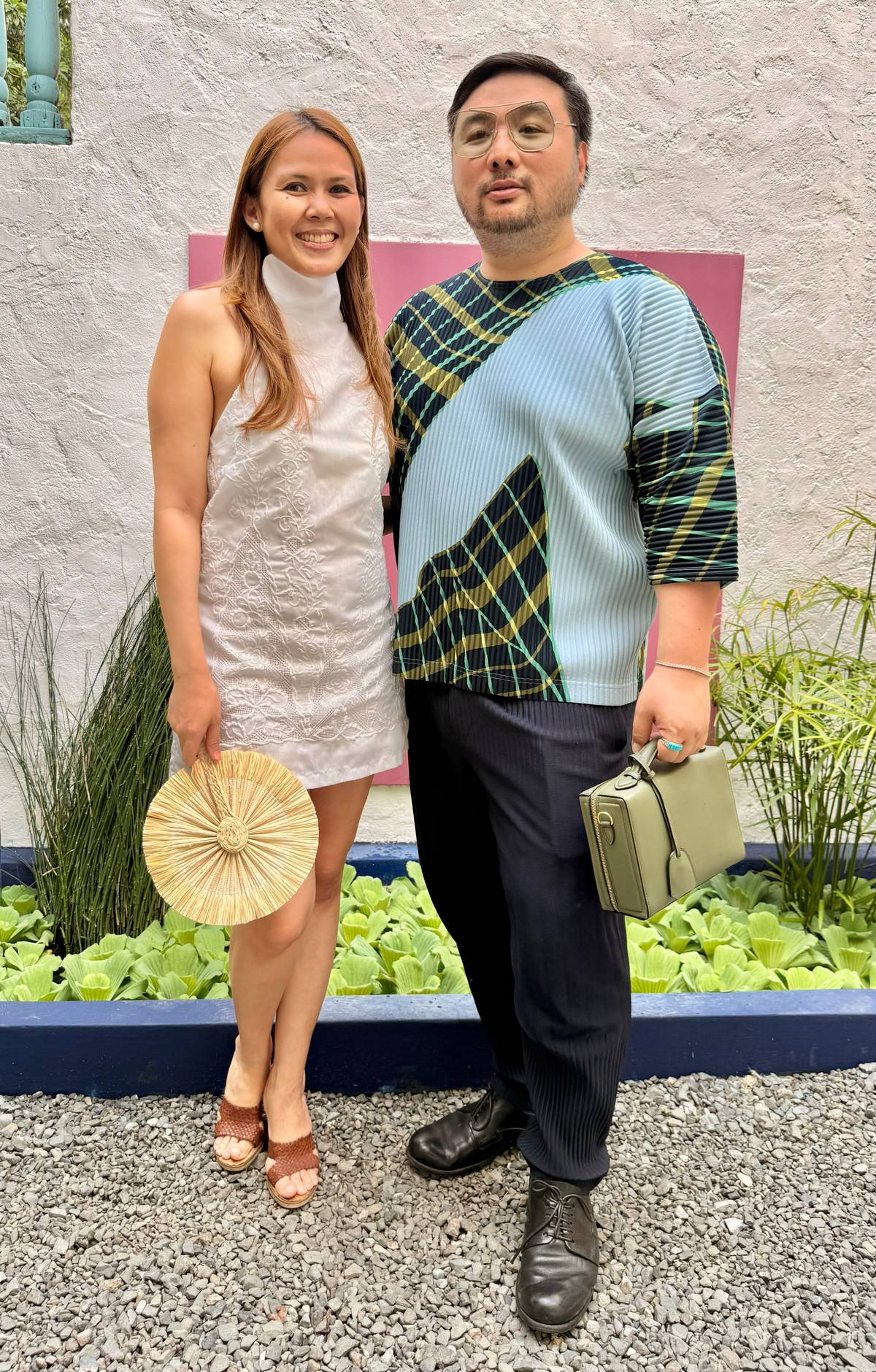
CAMILLE Villanueva and Sidney Yap.
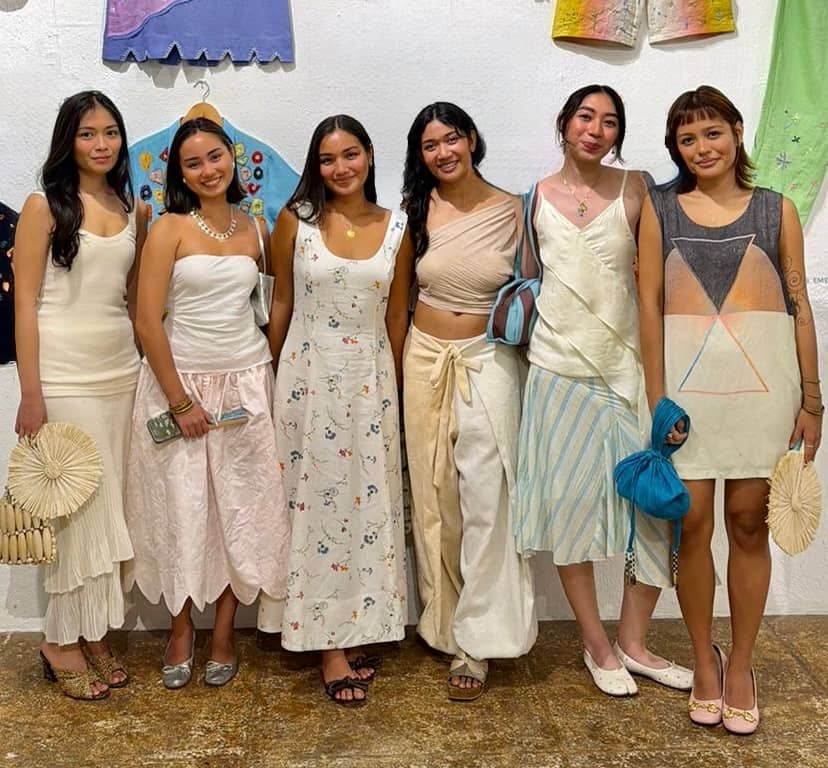
DANI Ramos, Bella Tanjutco, Tasha Tanjutco, Bea Cabiles, Sophia Basilio and Frankie Calubaquib.
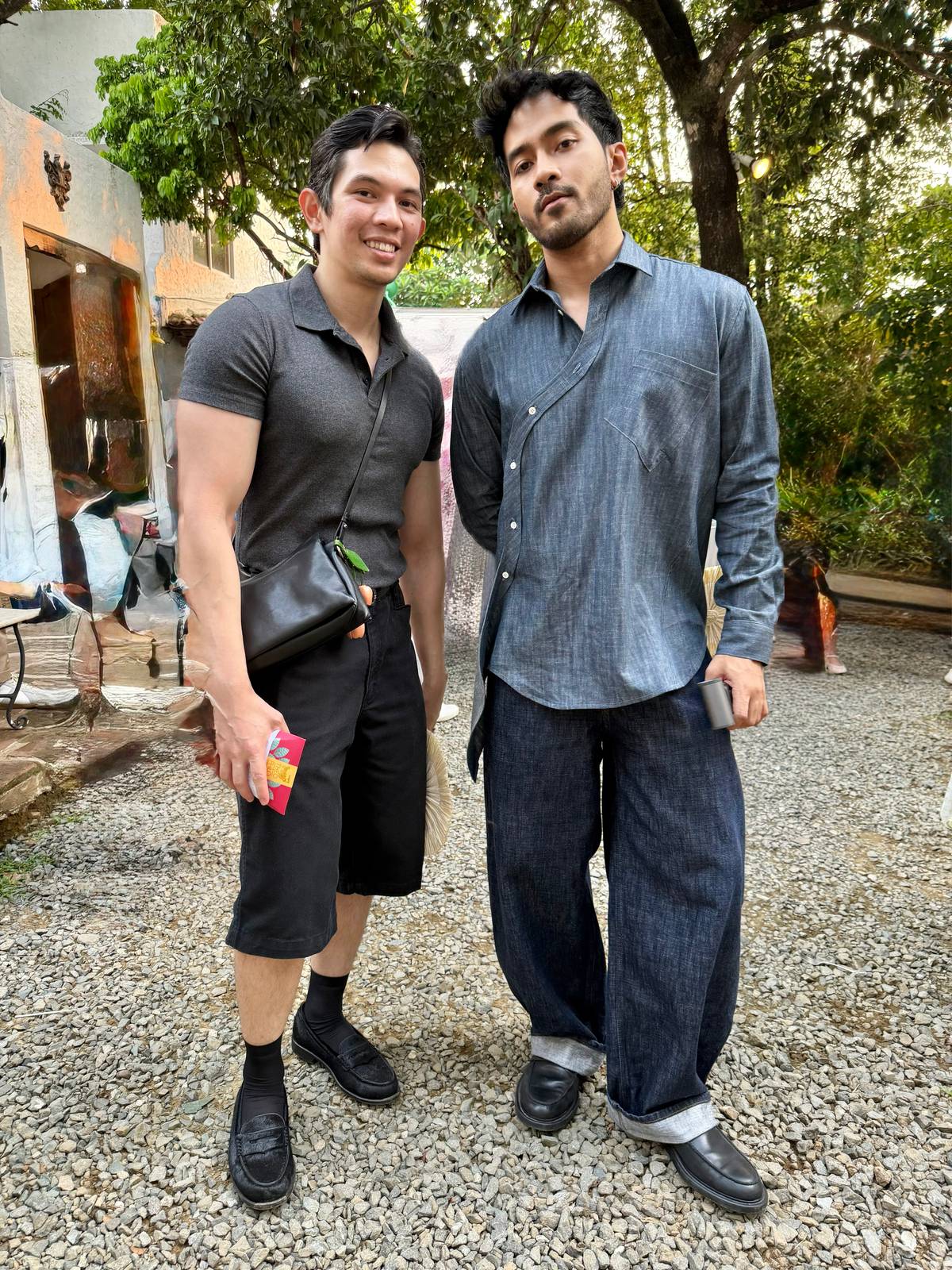
RJ Santos and Nicolo Perez.