
IBM breaks 1-nanometer barrier with new chip

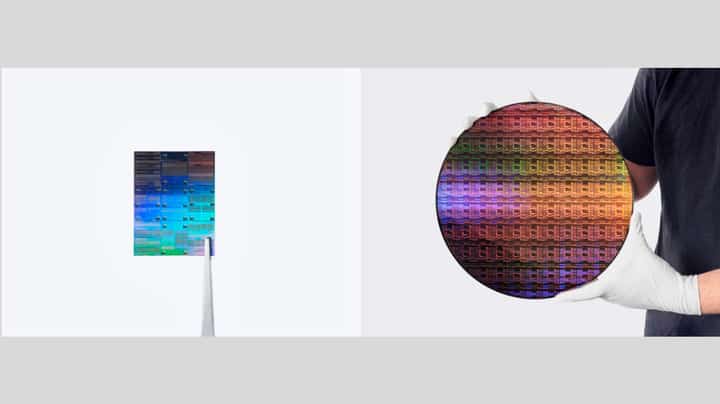
IBM has unveiled the world’s first sub-1 nanometer chip technology, introducing a new 0.7 nm (7 angstrom) processor architecture that could redefine the future of AI, cloud computing, and next-generation electronics. The experimental chip packs nearly 100 billion transistors into an area the size of a fingernail, nearly doubling the density of IBM’s 2 nm chip introduced in 2021.
“IBM’s latest chip breakthrough marks a landmark moment in computing, pushing technology beyond the nanometer era to the scale of atoms. With our new nanostack architecture, we’re not just making smaller transistors, we’re reinventing how chips are built to deliver dramatically more power and energy efficiency,” said Jay Gambetta, director of IBM Research and IBM fellow. “This industry-first innovation continues IBM’s legacy of leading in next-generation technologies and sets the foundation for the next era of computing.”
IBM said the new “nanostack” architecture could deliver up to 50 percent more performance or 70 percent greater energy efficiency than its existing 2 nm technology, with commercial production possible within the next five years. The breakthrough also extends chip scaling into the angstrom era, where transistor dimensions approach the size of individual atoms.