
Maranaos in Greenhills
Greenhills provided an opportunity. Maranao entrepreneurs helped shape the commercial life that generations of Filipinos came to know.
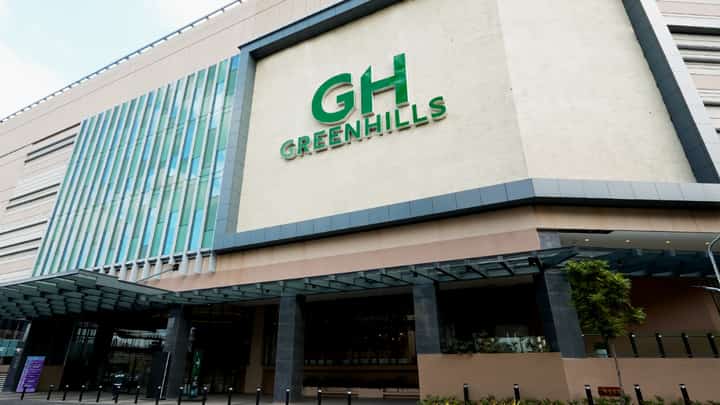
Long before Greenhills Shopping Center became associated with Maranao enterprise, it occupied a different place in my memory.
In the 1980s, my mother’s elder sister lived in the area and would often bring me there. As the eldest pamangkin (nephew) in town, I was a frequent beneficiary of her generosity. A tech enthusiast and gamer, she always seemed updated with the latest Nintendo Famicom releases.
Many of our visits revolved around Virra Mall, then a haven for electronics and emerging technology.
I also remember my classmate, the late Abdul Asiz Dianalan. Like many boys of our generation, we spent hours racing Tamiya mini four-wheel-drive cars sourced from Nova Fontana in nearby Shoppesville. To us, Greenhills was a place of discovery and youthful fascination.
At the time, I could not have imagined that within a decade, Greenhills would become closely associated with another story, one involving the growing presence of Maranao entrepreneurs and traders.
For many Filipinos, Greenhills Shopping Center was a place to shop. For many Maranaos, it became a place to build. A familiar greeting once echoed through its corridors. “Boss, dibidi?”
Many Filipinos of a certain generation will remember hearing those words. “Dibidi” was the colloquial rendering of DVD, then the dominant video format of the day. Behind that simple greeting was a larger story of enterprise, perseverance and opportunity.
As Maranao traders established themselves within the shopping center, management provided a space where Muslim merchants and workers could gather for Friday prayers. The prayer space was later moved within the complex, but it endured.
It was a quiet accommodation, practical rather than political. It reflected something important: one could remain fully Muslim while participating fully in the life of a larger community.
Greenhills provided an opportunity. Maranao entrepreneurs helped shape the commercial life that generations of Filipinos came to know.
Some say Maranaos helped reinvigorate Greenhills during a particular chapter of its commercial history. Whether one views that as fact or local recollection, few would dispute that Maranao traders became an important part of the shopping center’s identity.
Funny how opportunity and aspiration often bring people to unlikely destinations.
Few who first arrived in Greenhills could have predicted where those opportunities would eventually lead. The children and grandchildren of the traders would become professionals, entrepreneurs, and public servants. Today, they can be found throughout the country’s business districts, institutions and professions.
The geography changed. The aspiration did not.
Like countless other Filipinos, they sought education, livelihood, stability and a better future for their families. They followed opportunity wherever it led. The waters were not always of their choosing, but they paddled forward.
In many ways, this is a Filipino story. Nations are built not only by policies and programs, but also by ordinary people who work, raise families and contribute to their communities.
Perhaps that is the quiet lesson carried by Greenhills across the decades. A nation is built when people of different histories, traditions and faiths find themselves working side by side in pursuit of a common future.
To many Filipinos, Greenhills Shopping Center was a place to shop. To many Maranaos, it was also a place to build.
What began as an opportunity to earn a living became an opportunity to contribute.
Nation-building is never finished. Yet if the story of Greenhills tells us anything, it is that communities, like people, eventually bring their own share to the common table.
And perhaps that is contribution enough: Not to stand apart from the Filipino story, but to help write it.