
7 Science-backed foods that may help reduce stress
Research suggests that what you eat can influence mood, stress levels, and emotional resilience. Here are seven foods supported by studies in nutrition and mental health.


Stress may be an unavoidable part of modern life, but what you eat could influence how your body responds to it.
Researchers in the growing field of nutritional psychiatry have found that certain foods contain nutrients linked to lower stress levels, improved mood, and better emotional resilience. While no single food can eliminate anxiety or replace professional treatment, evidence suggests that some dietary choices may help support mental well-being.
Here are some science-backed foods worth adding to your plate.
1. Fatty fish

Salmon, sardines, mackerel, and tuna are rich in omega-3 fatty acids, particularly EPA and DHA, which play an important role in brain health.
A 2026 review by Marco Lastretti and colleagues found that higher omega-3 intake is associated with lower rates of mood disorders and depressive symptoms. Researchers believe omega-3s help regulate inflammation and support neurotransmitters involved in mood regulation.
Earlier research has also suggested that omega-3 supplementation may help reduce symptoms of anxiety and psychological distress.
2. Fermented foods

Yogurt, kefir, kimchi, sauerkraut, kombucha, and other fermented foods may benefit mental health through the gut-brain connection.
Scientists increasingly recognize that gut bacteria influence mood, stress response, and even cognitive function. In a 2023 study involving adults following a "psychobiotic diet" rich in fermented foods, participants reported a 32 percent reduction in perceived stress after four weeks.
Researchers believe these foods may help by supporting a healthier gut microbiome, which in turn influences neurotransmitters such as serotonin.
3. Dark chocolate

Good news for chocolate lovers: dark chocolate may offer more than comfort.
A 2019 clinical trial led by Claire Tsang found that adults who consumed polyphenol-rich dark chocolate experienced lower salivary cortisol levels, a biological marker of stress.
Other studies have reported reductions in perceived stress and stress hormones following regular dark chocolate consumption. The benefits are believed to come from flavonoids, naturally occurring compounds that may influence the body's stress-response system.
4. Berries

Blueberries, strawberries, raspberries, and other berries are packed with antioxidants that help combat oxidative stress and inflammation.
A 2022 study found that people with higher fruit intake reported lower levels of worry, tension, and psychological distress than those who consumed less fruit.
Researchers believe the antioxidants in berries may help protect brain cells from stress-related damage while supporting overall mental health.
5. Leafy green vegetables

Spinach, kale, pechay, and other leafy greens are rich in magnesium, a mineral involved in the body's stress response.
Low magnesium levels have been associated with increased anxiety and stress symptoms. Experts in nutritional psychiatry frequently recommend increasing intake of leafy greens as part of a dietary approach to supporting mental well-being.
6. Nuts and seeds
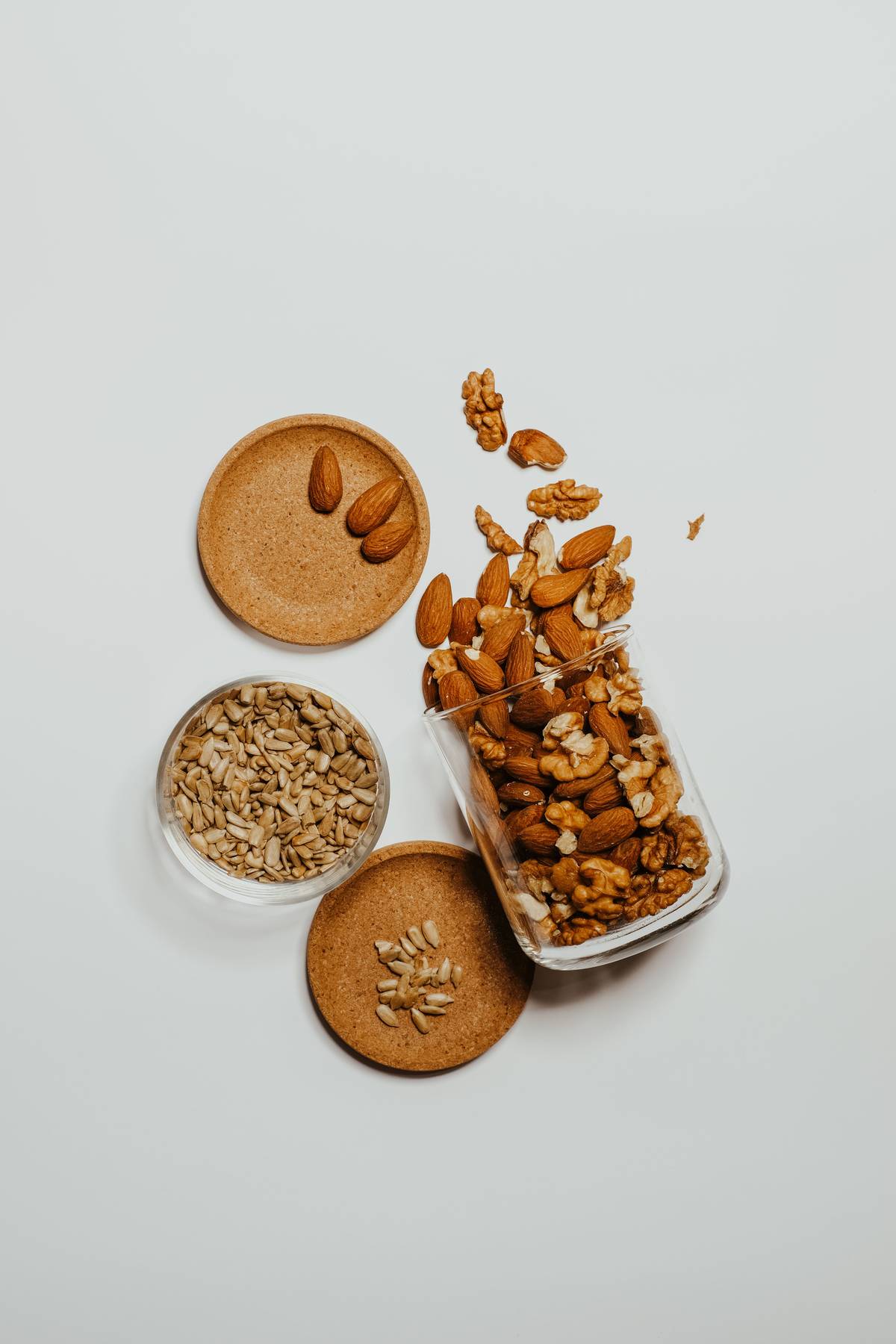
Walnuts, almonds, chia seeds, flaxseeds, and pumpkin seeds provide healthy fats, magnesium, zinc, and other nutrients linked to brain health.
Walnuts and flaxseeds are particularly notable because they contain plant-based omega-3 fatty acids. Regular consumption of nuts has been associated with improved mood and lower levels of psychological distress in several observational studies.
7. Green tea and matcha
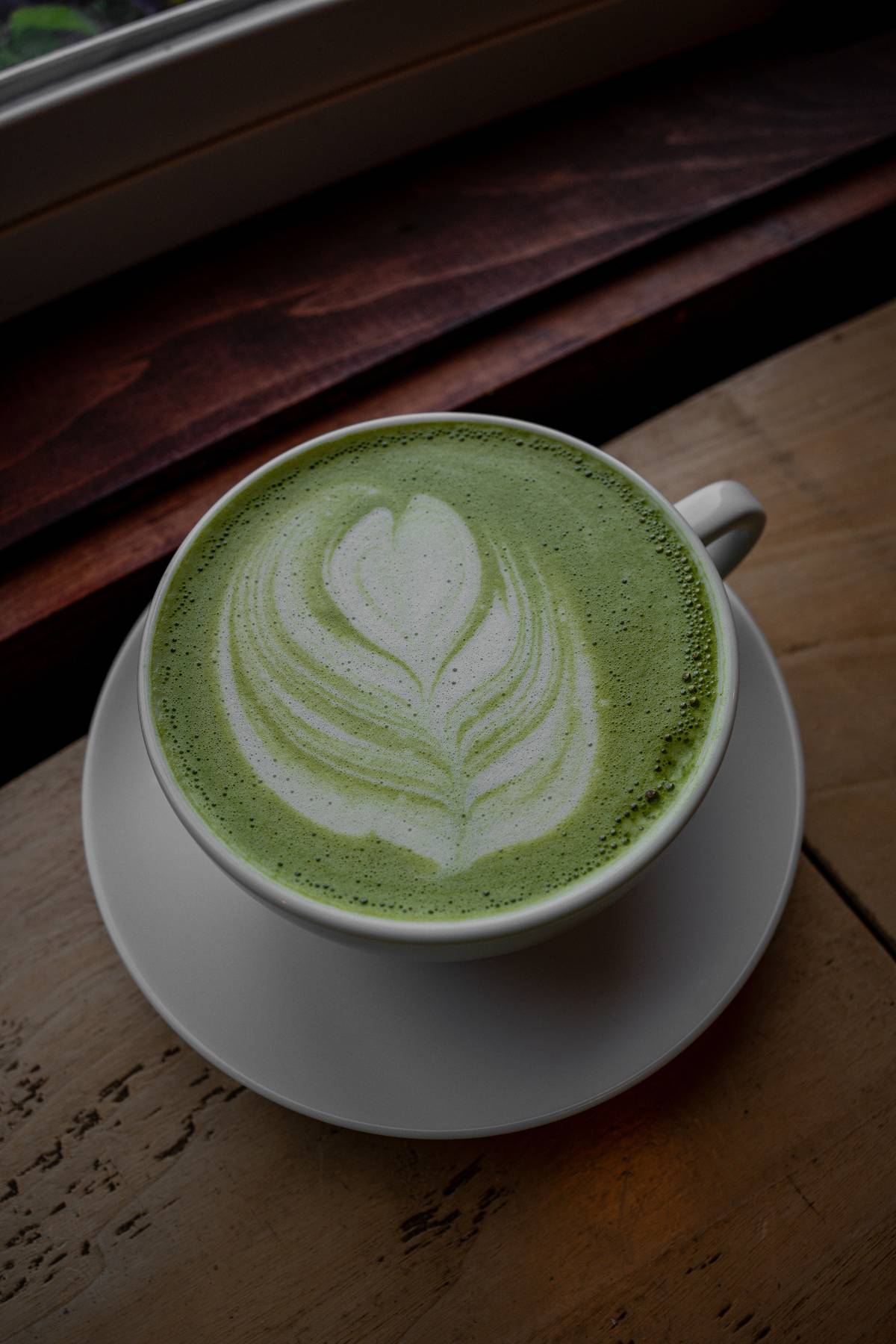
Green tea contains L-theanine, an amino acid that may promote relaxation without causing drowsiness.
Research suggests that matcha, a concentrated form of green tea, may help reduce stress and support calm alertness. Unlike highly caffeinated beverages, it provides a combination of caffeine and L-theanine that appears to have a more balanced effect on mood.
The bigger picture
Experts emphasize that no single "anti-stress food" exists.
Instead, the strongest evidence points to an overall dietary pattern rich in fruits, vegetables, whole grains, legumes, fish, nuts, seeds, and fermented foods. Diets resembling the Mediterranean diet have consistently been associated with better mental health outcomes and lower rates of depression and anxiety.
Food alone cannot eliminate stress, nor should it replace therapy, medication, or other forms of treatment when needed. But as research continues to uncover links between nutrition and mental health, one thing is becoming increasingly clear: what we eat may influence not only our physical health, but also how we feel.