
Comeback Carrier’s saga


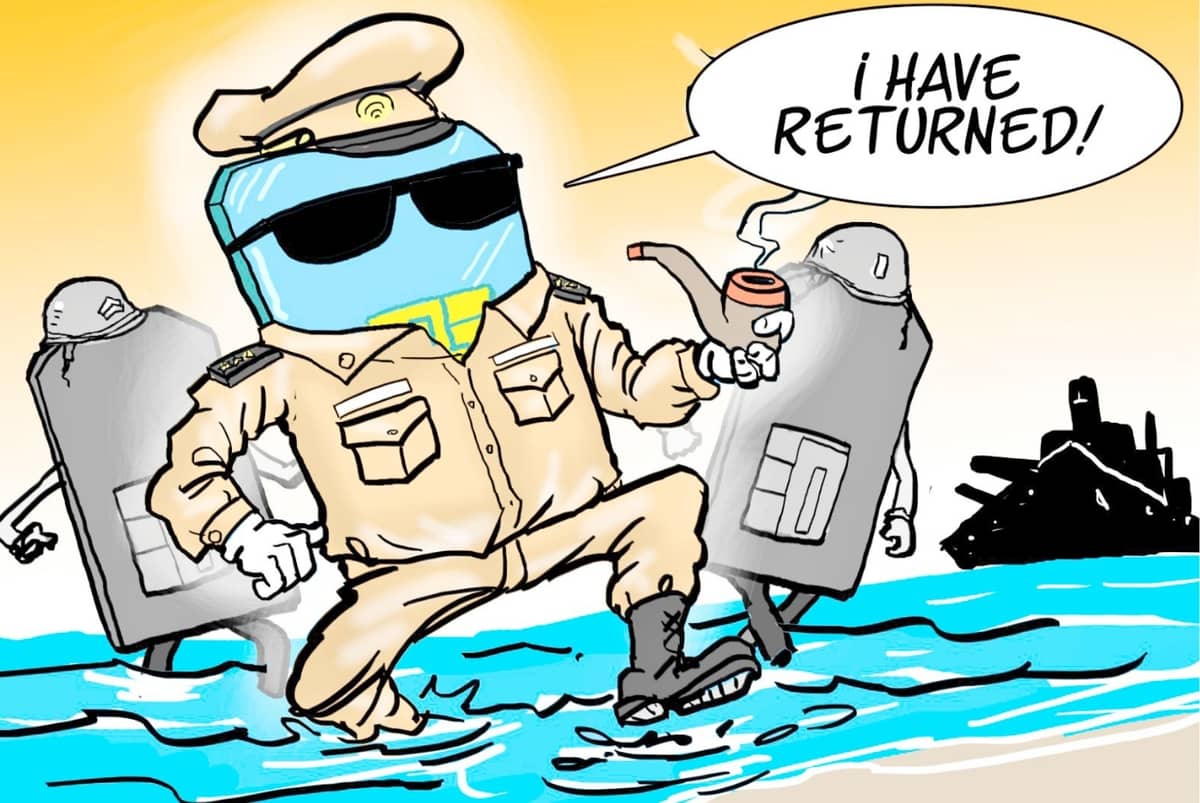
Nosy Tarsee recently got wind of a telco’s quiet comeback bid. Word from the corridors of the Department of Information and Communications Technology was that a long-struggling player in the telecommunications sector is banking on a court fight over spectrum to write its second act.
Tarsee’s sources say the Comeback Carrier has been a fixture of industry watchers’ “will they, won’t they” speculation for years. Licensed but largely dormant, it has spent more time in legal filings than in cell tower rollouts. But that may be changing, and the reason is a pending petition for a writ of mandamus now before the Supreme Court.
The frequencies in question are the 3.6–3.8 gigahertz (GHz) band, which is considered a prime asset in the telecom world, the kind of mid-band frequency that carriers across the globe are racing to secure for 5G networks, with an eye toward 6G further down the road.
Comeback Carrier isn’t asking the Supreme Court for a new grant. This has already been issued, Tarsee hears, by the Anti-Red Tape Authority of all agencies.
The mandamus petition is about compelling enforcement of a grant that ARTA already gave.
Make of that what you will about how spectrum policy gets made in this country — through telecom regulators, or through the agency meant to cut red tape.
But the real intrigue, sources tell Tarsee, is what happens after a favorable ruling, should one come.
With the Konektadong Pinoy Act now law — opening up the telecommunications sector to easier entry and shaking loose the old duopoly’s grip — insiders say the Comeback Carrier isn’t wasting time.
Skeptics in the industry — and there are plenty — note that holding spectrum and holding capital to build a network are two very different things. Tarsee hears whispers that financing remains the carrier’s Achilles’ heel.
Still, in a sector where comebacks are rare and spectrum is destiny, even skeptics are watching this one.