
Maintain stance, temper the tone
The defense chief must continue to assert our legal rights. But public language should avoid gratuitous provocations.

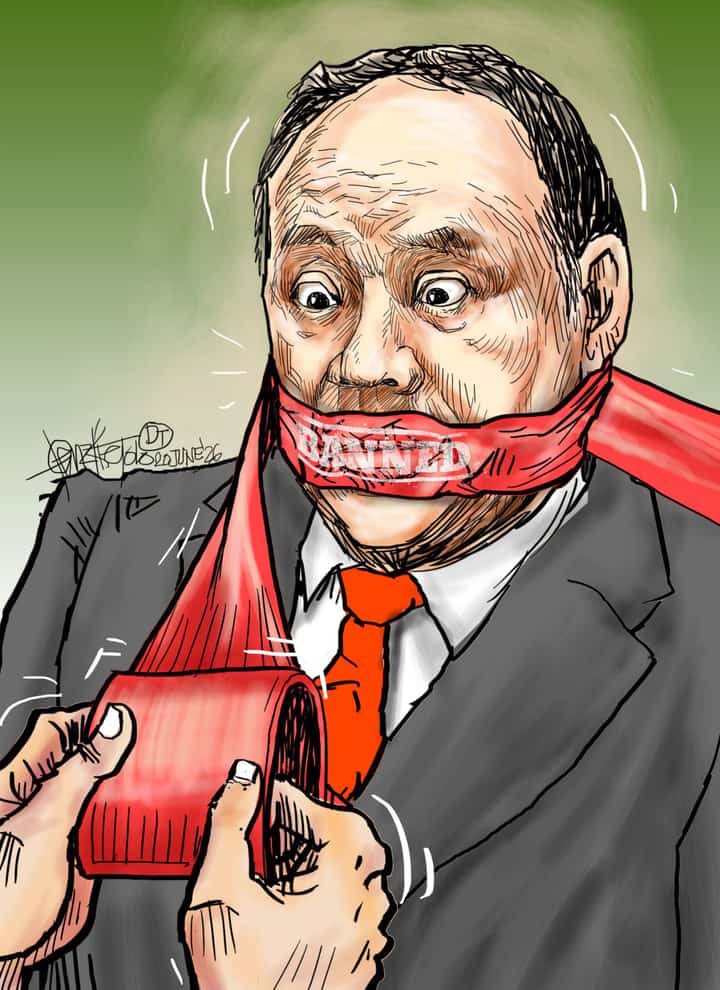
The National Maritime Council, created two years ago by President Ferdinand Marcos Jr. amid the increasing Chinese aggression in the West Philippine Sea, has reacted strongly to the sanctions imposed by Beijing on Defense Secretary Gilberto Teodoro Jr. and his family.
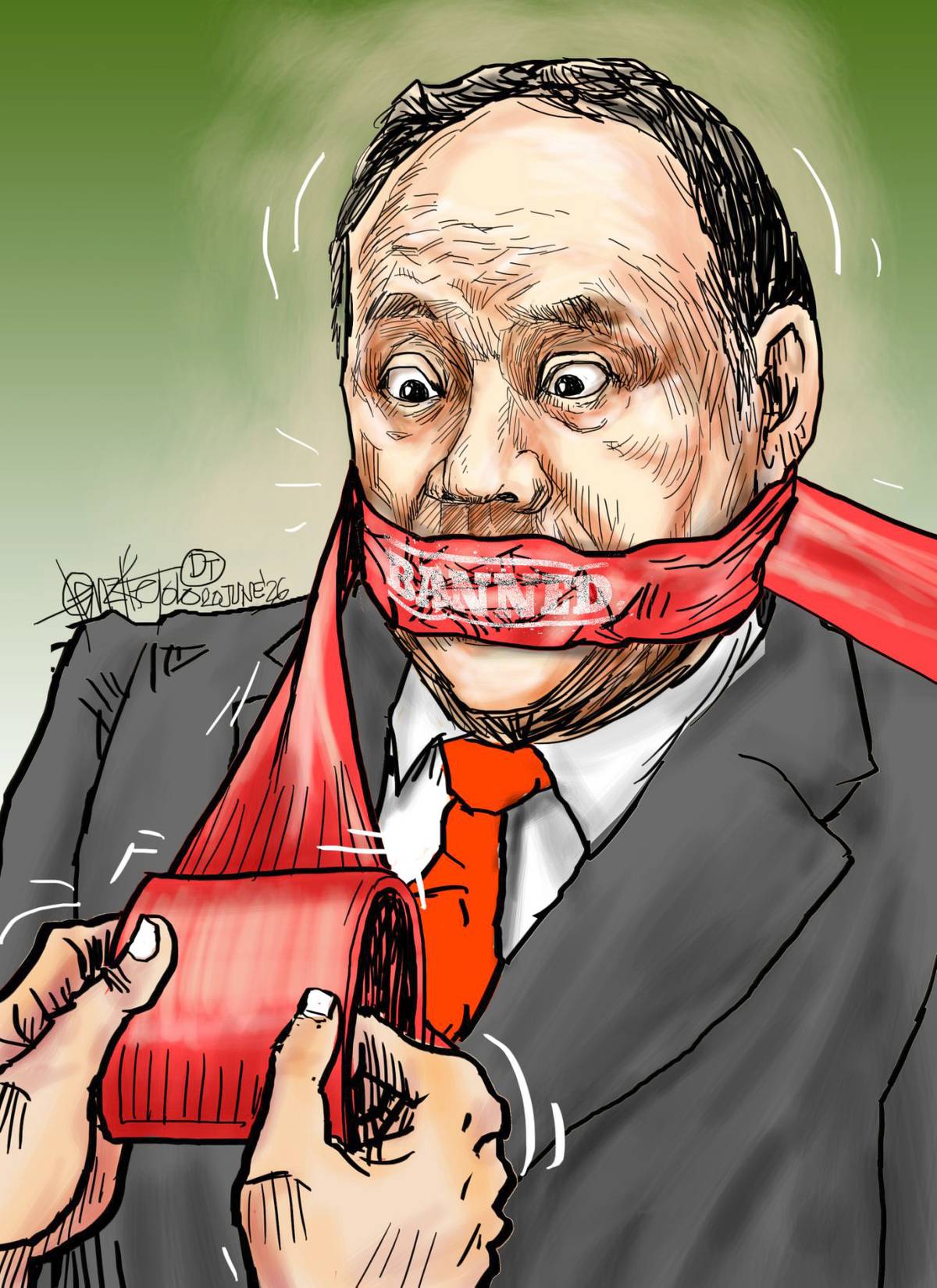
In an unprecedented move since the Philippines and China established ties over half a century ago, Beijing has barred an official member of the Cabinet, in this case Teodoro, along with his family, from entering mainland China, Hong Kong, and Macao, supposedly for “irresponsible” remarks made by the defense secretary.
No particular utterances by Teodoro were specified by the Chinese, but the Defense secretary is known to be among the most outspoken in Philippine officialdom against intrusions and belligerent actions by the Chinese in Philippine territorial waters.
Teodoro’s denunciations of China’s maritime conduct reflect a straightforward reading of events: the repeated harassment of Filipino vessels, the rejection of the 2016 arbitral ruling, and the use of coercive “grey zone” tactics.
These statements have earned Teodoro plaudits at home and punitive sanctions from Beijing. The central question is whether his public toughness imperils the bilateral relations — and, if so, whether the Philippines should rein in its defense posture and public rhetoric.
Undoubtedly, the diplomatic cost of maintaining a hard line is real. China’s sanctions on Teodoro and his family are a warning shot, indicating that Beijing can and will leverage economic, travel, and political tools to signal its displeasure.
If tensions escalate — for instance, if Beijing demands Teodoro’s removal from his post as a precondition to restoring ties — or threatens broader sanctions, Manila would be faced with a dilemma.
Matters could deteriorate rapidly to real harm: lower Chinese tourism and investment, trade disruptions, pressure on Filipino workers in China, and even targeted economic measures against Philippine sectors. Given China’s economic heft, such fallout would have immediate domestic consequences.
Yet the alternative — asking Teodoro to “back down” — is not without cost. Concessions in tone or policy risk encouraging further encroachment. If Manila retreats from the public defense of its maritime claims or curtails its enforcement, China may interpret restraint as acquiescence, emboldening even more coercive actions.
That would not only erode Philippine sovereignty even more in the West Philippine Sea but also undermine regional norms and encourage similar behavior elsewhere.
Moreover, asking a senior defense official to moderate his public statements in the face of perceived aggression could sap the morale of the armed forces and weaken deterrence.
Teodoro himself said there is still space to de-escalate tensions with China. But he stressed that this hinges on the Chinese behaving in a manner consistent with “being a citizen of the world.”
China, he underscored in a media interview, “is the biggest disruptor” of peace in the region.
So what is the prudent path to follow? The answer, perhaps, lies in a calibrated firmness, that is, maintaining a clear, unwavering defense of our sovereign rights while managing the rhetoric and diplomatic channels to avoid unnecessary escalation.
Teodoro must stand firm on substance and be measured in tone. The defense chief, along with the Marcos government, must continue to assert our legal rights, document incidents, and defend Filipino vessels and fishermen. But the public language should avoid gratuitous provocations. Measured statements maintain credibility with domestic audiences while leaving diplomatic room for negotiation.
Intensify multilateral diplomacy and regional coordination. ASEAN, Asean‑led mechanisms, and partnerships with like‑minded states (Japan, Australia, India, EU, US) provide broader political cover and options. Collective positions and incident‑management protocols dilute the bilateral pressure China can exert and slow unilateral coercion.
Quiet diplomacy — discreet high‑level talks, third‑party mediators, back channels can de-escalate tensions while public positions remain principled. Diplomacy is not capitulation if it secures tangible protections for lives and livelihoods.
In all instances, the rule of law and transparency must be upheld. Strengthen documentation, conduct open inquiries into incidents and publicize evidence. The Philippine government has likewise been advised to continue internationalizing claims and issues through the UN and solidify partnerships for moral pressure.
In short, Teodoro should not be told to retreat from defending Philippine sovereignty. But his statements — and Manila’s policies — should be strategically disciplined: assertive in defending rights, prudent in public rhetoric, and savvy in building economic and diplomatic buffers.
Such a balanced posture preserves deterrence without needlessly provoking economic reprisals, and it creates the best conditions for protecting the national interest while pursuing de‑escalation and sustained engagement.