
Paid to riot
Which three “activist” groups were behind the violent 21 September 2025 rally in Manila?
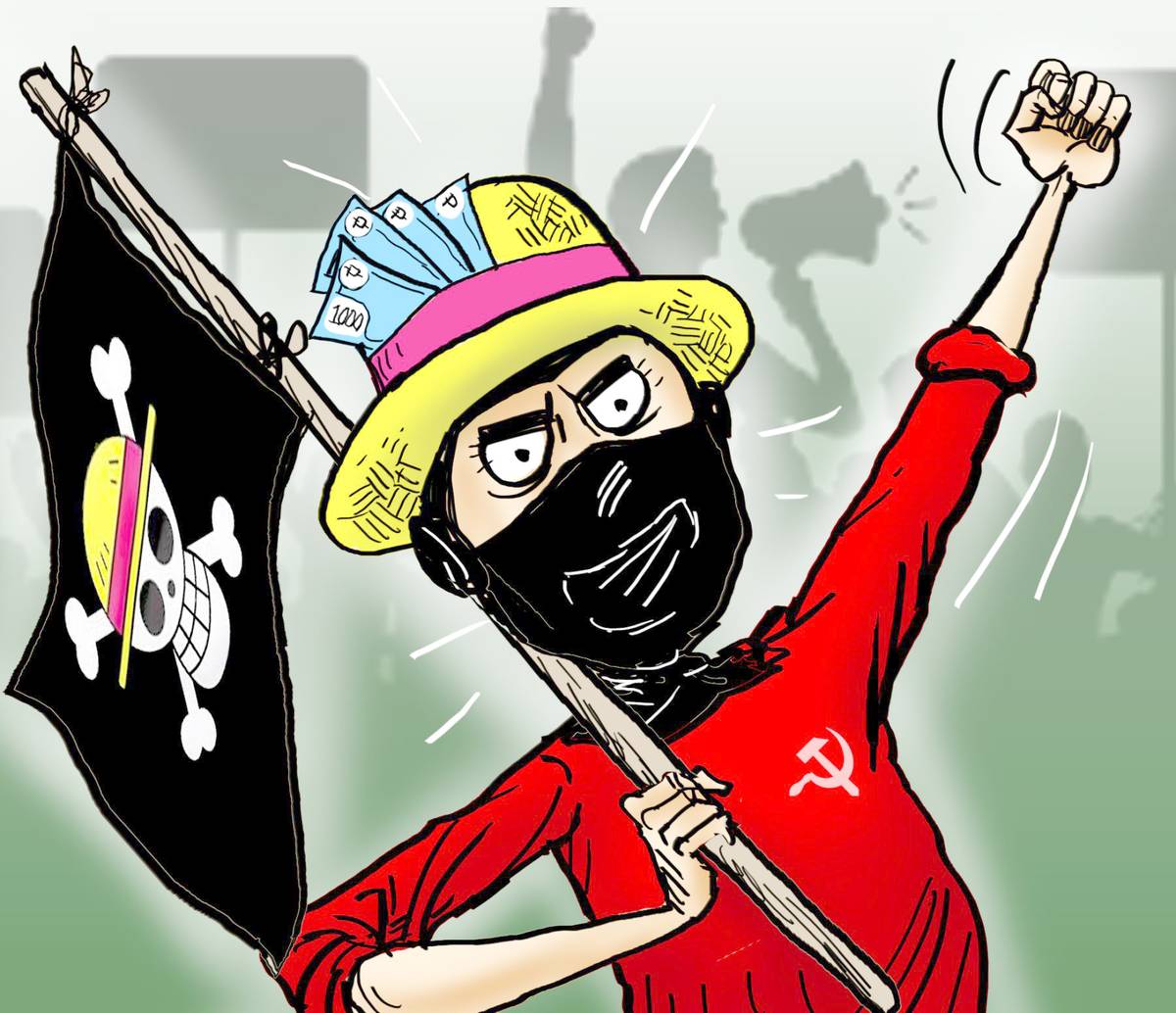
One teenager confided to Nosy Tarsee that he was part of the masked group involved in the violence. He claimed protesters wearing balaclavas were given P4,000 each to “make commotion” during the anti-corruption rally that erupted into clashes near Ayala Bridge and Mendiola.
The teen claimed pillboxes and Molotov cocktails were provided by organizations known for championing youth, women and human rights causes. Participants were also instructed not to reveal who funded and coordinated the operation.
More than 200 people were arrested during the chaos, raising questions about how much money was spent to sustain the violent mobilization.
The three groups being alluded to are known for aggressive street protests and ties to progressive partylist politics. The 21 September rally marked the 53rd anniversary of the declaration of Martial Law, drawing tens of thousands to Rizal Park and the EDSA Shrine in what organizers billed as a reckoning over flood-control corruption.
The masked protesters, mostly teenagers clad in black, also waved the “One Piece” Jolly Roger flag, a symbol of defiance adopted by Gen Z protesters in Nepal and Indonesia, lending the riots an online pop-culture veneer that obscured the more deliberate operation beneath the surface.
The government moved quickly to assign blame. The government earlier linked the riots to Anonymous PH, a hacktivist collective, saying the “Black Mask March” spread through the group’s networks.