Trash talk


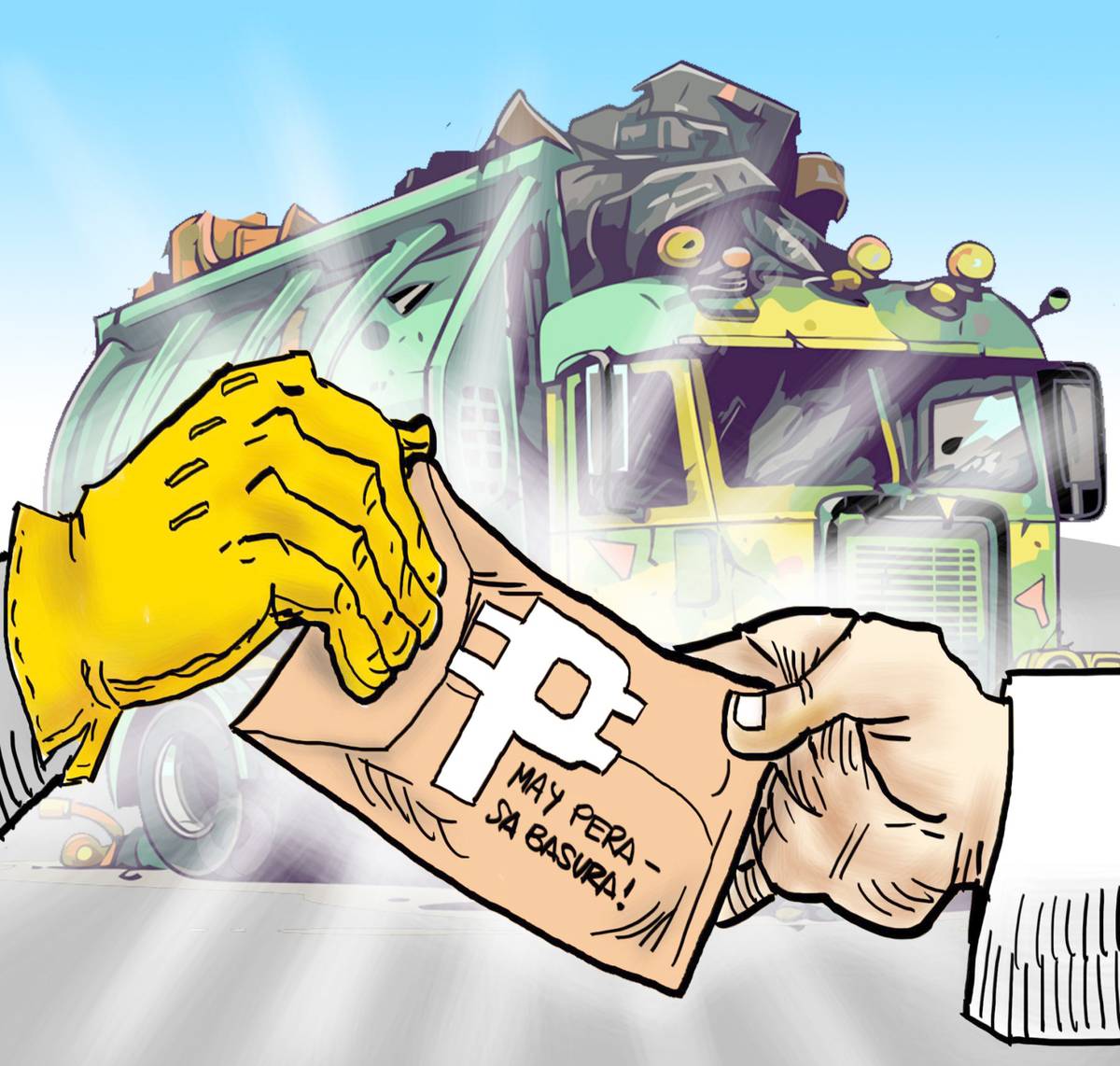
Nosy Tarsee has heard that the garbage business in local government had just gotten a lot dirtier — and not from the actual garbage.
Word making the rounds was that a certain mayor in a Metro Manila locality had been running what insiders described as a full-service racket dressed up as waste management.
Collection contracts. Hauling deals. Disposal fees. All of it, sources said, had been funneled through companies with suspiciously thin paper trails and suspiciously fat margins.
But here was where it got interesting, according to Nosy’s sources: The garbage angle wasn’t just about garbage.
Multiple insiders whispered that the sudden interest in local waste contracts, and the timing of certain investigations, appeared to line up a little too neatly with a mayor’s politics.
Specifically, a mayor who had been vocal against certain allies of the administration.
Funny how corruption probes had a way of finding the opposition first and the friendlies never.
Nosy wasn’t saying garbage corruption wasn’t real. It clearly was; the Ombudsman himself had said so on the record.
Sources close to several LGUs said the pattern deserved scrutiny, too: Which mayors got quietly warned, which mayors got audited and which mayors got outed on air?
Two mayors got public gold stars for staying clean. The rest were left to wonder if they were next — and for what reason exactly.
Barangay-level sources added another wrinkle: sidewalk vendor spaces being rented out by barangay captains, with cash changing hands informally and no permits in sight.
Small potatoes next to multimillion-peso hauling contracts, sure. But Nosy Tarsee heard it was the kind of low-hanging fruit that made for an easy case file when someone needed to make an example of a local official fast.
The question making the rounds in certain circles: Was this a genuine anti-corruption push, or a convenient vehicle for settling political scores under cover of trash collection?