
BI flags crypto love scam; 24 repatriated
‘This is not legitimate employment. This is organized fraud with international victims. We will not allow our country to be used as a recruitment ground for global scam operations.’

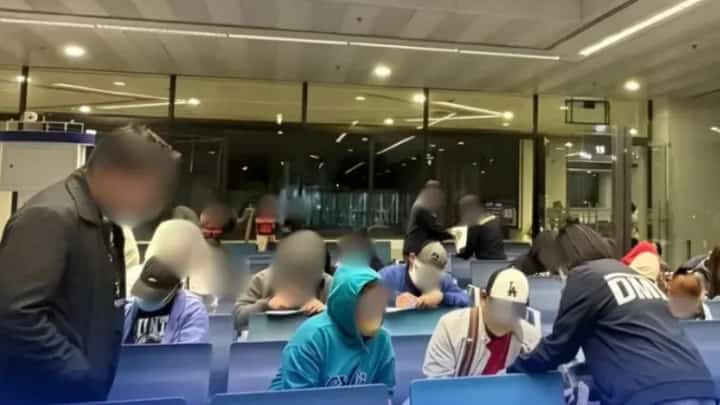
The Bureau of Immigration (BI) on Sunday reported the repatriation of 24 Filipinos allegedly trafficked to Cambodia and forced to work in online “crypto love scam” operations.
The group arrived at the Ninoy Aquino International Airport (NAIA) Terminal 1 last week aboard a Philippine Airlines flight from Phnom Penh, Cambodia.
BI Commissioner Joel Anthony Viado said many of those repatriated are in their twenties and were recruited through online job advertisements offering high salaries for positions described as “love scammers” or “love finders,” supposedly under digital marketing roles overseas.
According to Viado, once deployed, the recruits were compelled to contact foreign nationals — primarily from the United States and European countries — through online dating platforms.
Targets were later redirected to cryptocurrency investment schemes and online casino links sent via messaging applications.
Initial interviews conducted by immigration authorities showed that 16 of the individuals left the country as tourists, two departed through irregular migration channels commonly referred to as “backdoor” exits, and six traveled as documented overseas Filipino workers.
One of the repatriated Filipinos, a woman, was reportedly deployed to Brunei, where she was similarly forced to engage potential victims through dating applications as part of the alleged scam operation.
“This is not legitimate employment. This is organized fraud with international victims. We will not allow our country to be used as a recruitment ground for global scam operations,” Viado said.
He added that the scheme involved persuading targets to transfer money under the guise of investment opportunities and fabricated romantic relationships.
The BI said it is intensifying intelligence-sharing efforts with local and international partners to identify and pursue facilitators, recruiters, and financiers involved in trafficking Filipinos to scam hubs abroad.