
Ong calls on the next generation to become beekeepers: Here’s how


Honeybee populations in the world are declining rapidly — and everyone is affected, not only those who put honey in their pancakes.
According to data by the United Nations Environment Program, in the United States alone, beekeepers have been losing approximately 30 to 40 percent of colonies annually since 2006, often exceeding 60 percent in extreme cases. Primary causes include parasite attacks, pesticide exposure, habitat loss and climate change, which collectively create unsustainable, high-density losses in bees and colonies especially during winter.
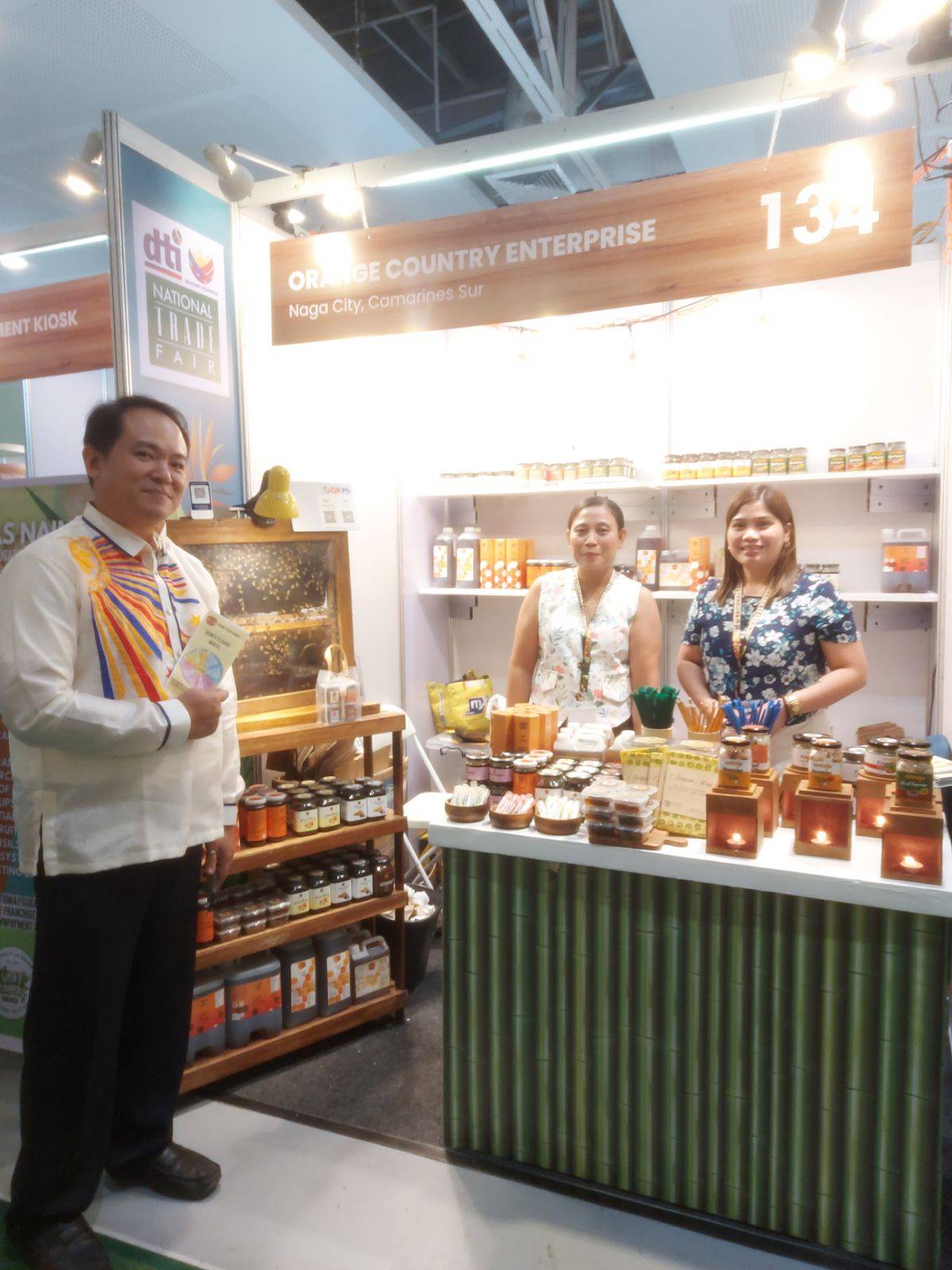
Larry Ong and his team at Orange Country Enterprises at the ongoing DTI National Trade Fair in SM Megamall.
Photo by Deni Bernardo for DAILY TRIBUNE
With bees pollinating over 75 percent of leading food crops, their decline endangers the production of fruits, vegetables and nuts, risking malnutrition and economic crises.
“Bees are actually major pollinators. Without bees and pollinators, we’d all be eating rice and corn — no main course, no fruits, no vegetables, only grass,” beekeeper Larry Ong explained partly in Filipino in an exclusive interview with DAILY TRIBUNE.
Over a decade ago, Ong learned about the decline in colonies, so he sought for a way to help.
“We started long before as a hobby. We didn’t expect for this to happen,” shared Ong, who used to work in a hardware. “Somebody bought a screen from us to turn into a (beehive) colony. That piqued my interest to also try it as a hobby.”
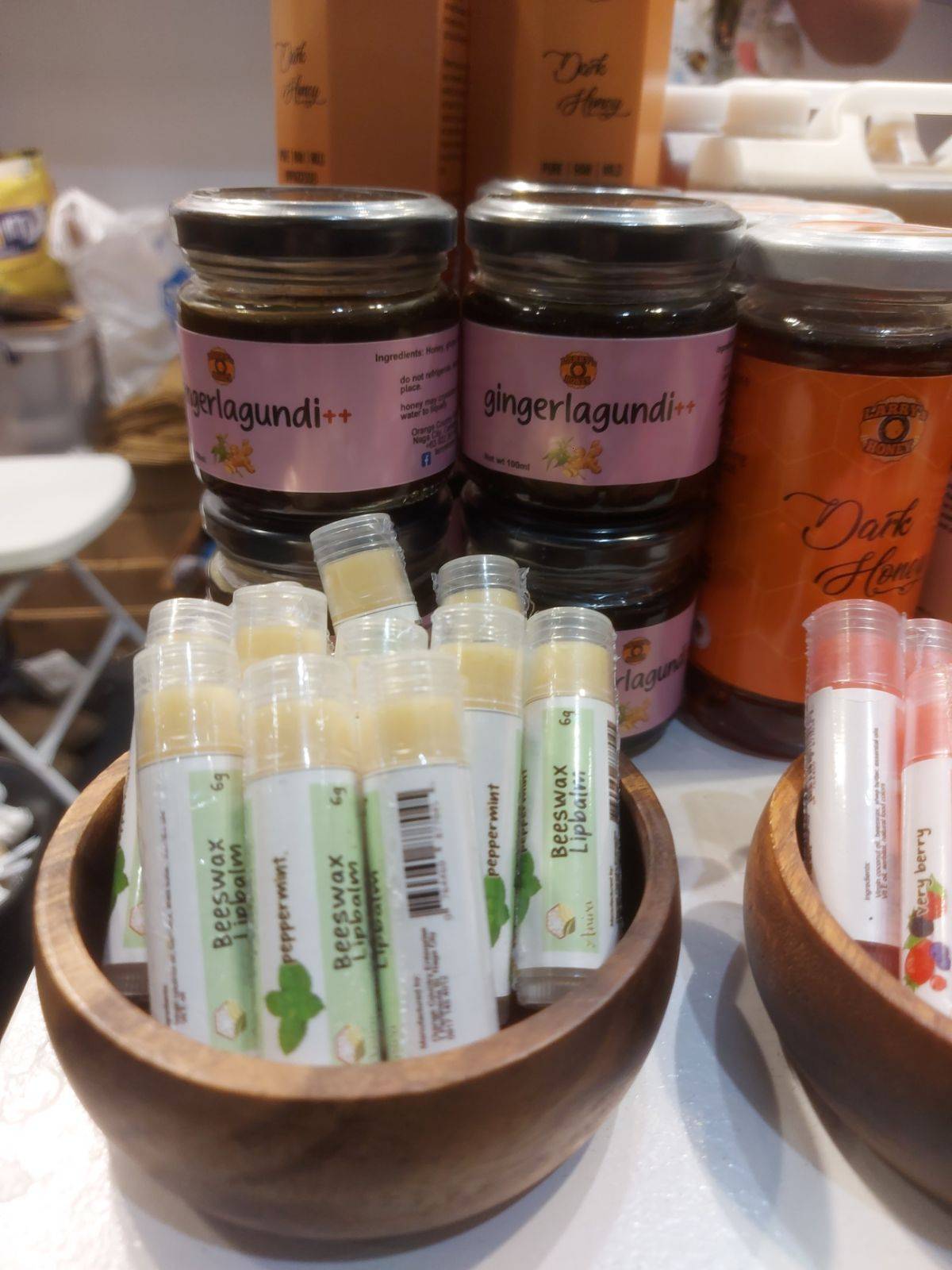
Photo by Deni Bernardo for DAILY TRIBUNE
After buying his first colony, Ong was happy to have harvested guava-flavored honey. From then on, he did not stop — from learning more about bees and taking care of them, to propagating them. Today, his colonies number to about a hundred, encompassing different bee species like European, stingless and native, in his own bee farms in Naga City, Camarines Sur and Albay.
“We do sustainable honey harvest for wild bees,” Ong affirmed.
From the initial harvests, the demand for Ong’s honey continued to grow, so from honey, his company, Orange Country Enterprises, has expanded to include honey-based products like lip balms, sauces, herbal supplements, and even sustainable and biodegradable beeswax wraps. Among the company’s latest ventures is a bottled vegetarian line of Filipino specialties such as Sinantolan and Dinuguan.
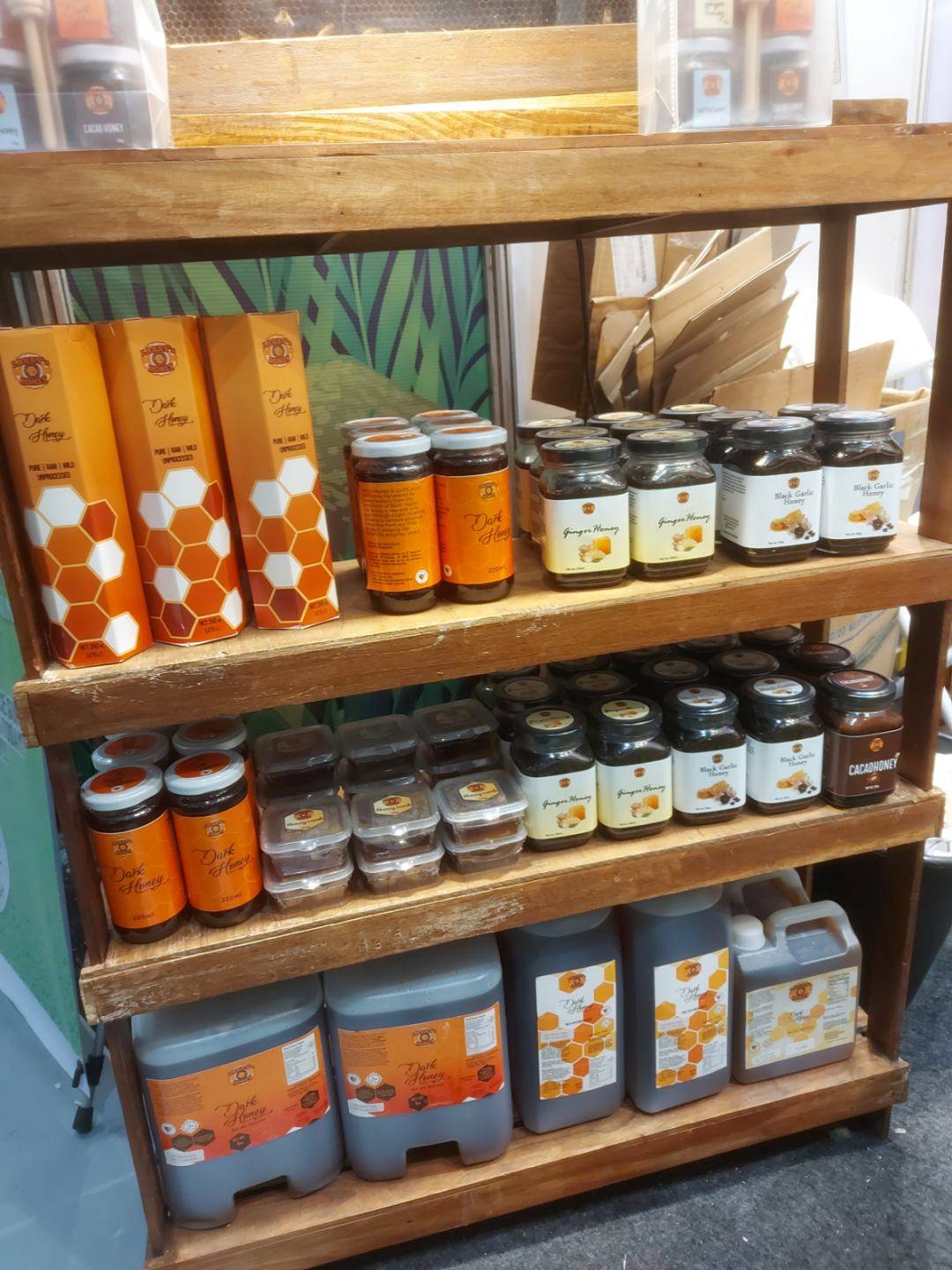
Honey products.
Photo by Deni Bernardo for DAILY TRIBUNE
More than a hobby or a business, however, Orange Country is also engaged in encouraging and educating the youth to become the next-generation beekeepers by providing training and selling start-up colonies.
“During the pandemic, many got into urban beekeeping because honey is something that is good for the body — for our immune health, our respiratory health,” he shared. “So urban beekeeping boomed in Manila — Paco, BGC (Bonifacio Global City), also in Rizal, Mandaluyong, Museong Pambata.”
Those areas are good for beekeeping, he said, because these have thick foliage and trees like narra, eucalyptus and mahogany, where bees can live and thrive.
For those interested to get into beekeeping, he recommended joining the 70,000-member-strong BEEkeeping Philippines community in Facebook, where people can ask questions, look for legitimate mentors and sources for supplies and information.
“Find a good mentor who’s going to teach you. Beekeepers are spread out throughout the Philippines — Lipa, Bicol, even down south like Davao, have master beekeepers that can teach,” he assured those interested.
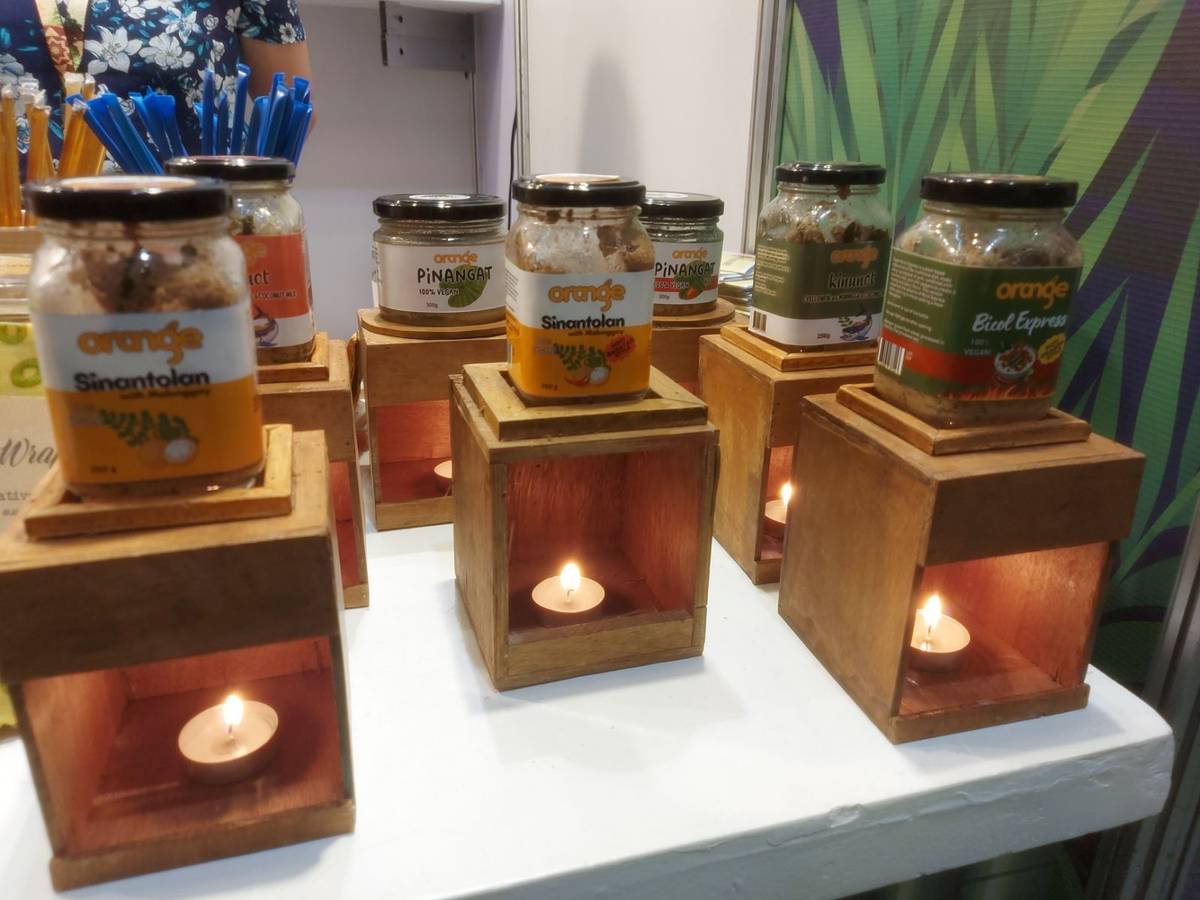
Vegetarian canned Filipino delicacies.
Photo by Deni Bernardo for DAILY TRIBUNE
A government-registered, official network of beekeepers from Luzon, Visayas and Mindanao, BeeNet or Beekeepers Network of the Philippines, institutionalizes the practice of beekeeping in the country.
Ong ensured that beekeeping is “pretty safe” if done by a grown-up who properly trained in the craft.
Apart from honey, many other natural food supplements and local products are showcased at DTI’s ongoing Bagong Pilipinas National Trade Fair, from 18 to 22 February, at Megatrade Halls 1–3, 5th Level, SM Megamall, Mandaluyong City. This five-day showcase gathers the country’s top micro, small and medium enterprises (MSMEs) in one dynamic marketplace. The National Trade Fair serves as a key platform for expanding market access, strengthening buyer linkages and promoting high-quality, proudly Filipino products — aligned with DTI’s Bagong Pilipinas vision and the Tatak Pinoy strategy. Admission is free and open to the public.