
The chef who brought a taste of home to Manila
Through the years, Massimo has also watched Filipino diners evolve. “They travel a lot, so they’re very knowledgeable now. When something is authentic, they appreciate it. They’ll say, ‘Oh, this reminds me of Firenze.’” His admiration extends both ways; he has grown to love Filipino food deeply, from kare-kare to adobo to vegetable dishes simmered in coconut milk. The similarity between Italian and Filipino cooking, he notes, lies in their regional diversity — each province with flavors and traditions of its own.


On Sundays in a small Italian town, a young Massimo Veronesi would hover by the wooden chopping board in his grandmother’s kitchen, watching magic unfold. With a simple rolling pin, she transformed flour and eggs into long, silken sheets of fresh pasta. The aroma of dough and simmering sauce filled the air — an imprint of comfort he carried well into adulthood. Those childhood memories, Massimo recalls, were the beginning of everything.
Today, chef Massimo is the co-owner and heart behind Vabene Pasta Deli, one of Metro Manila’s most beloved destinations for handmade pasta. But the story of how he brought authentic Italian flavors to the bustling Filipino capital is one of quiet perseverance, shared dreams, and the courage to start small.
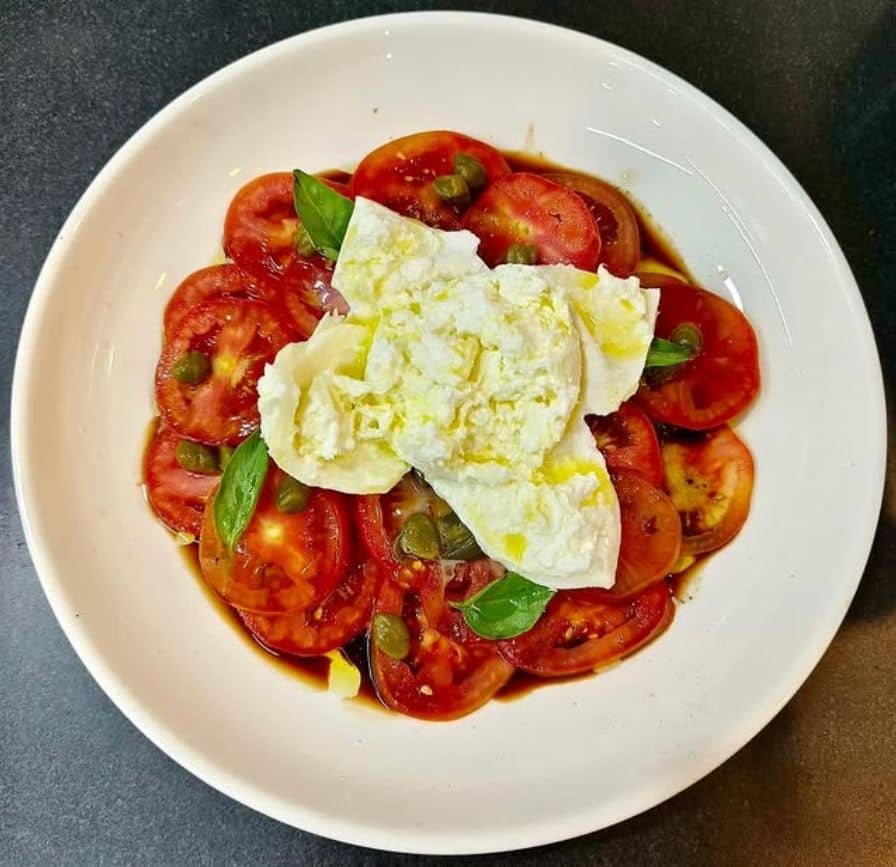
Burrata salad
user4
From one beginning to another
Massimo and his wife, Carolyn, moved to Manila from Florida in 2006, shortly before the birth of their second child. He first worked at The Peninsula Manila for several years, but by 2010, the couple felt the pull toward building something of their own. What Manila lacked, they noticed, was a place serving fresh pasta made the traditional way — rolled, prepared, and cooked to order. So with a modest budget and almost no marketing, they opened the first Vabene Pasta Deli at the Petron station near Dasmariñas Village.
“We didn’t market anything,” Massimo says with a laugh. “We just waited for customers. Then bloggers started to write about us — and suddenly, the line outside was very long.” One rave review changed the trajectory of the small deli, transforming it into a culinary favorite known for authenticity without pretension.
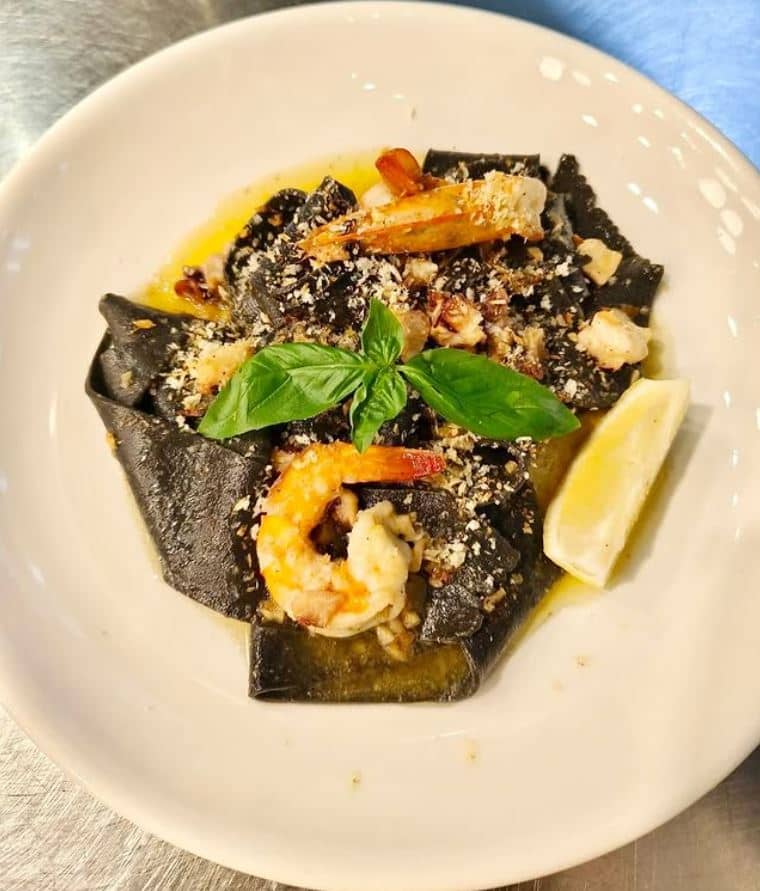
Pappardelle black ink with prawns and octopus.
user4
It’s always the heart that keeps everything alive
Fresh pasta remains the heart of Vabene. Massimo explains the craft simply but passionately: flour mixed with a touch of semolina, eggs, olive oil, and salt, kneaded into dough and rested before being rolled into tagliatelle, linguine, pappardelle, or delicate ravioli. Their stuffed pastas, especially the bestselling veal cheeks ravioli with mushroom-truffle sauce, have earned loyal fans. Yet Massimo’s personal favorite is a dish not even on the menu: pasta with just butter and parmesan. “So simple but so nice,” he smiles.
The philosophy behind his cooking is deeply Italian — let the ingredients speak. Some products are imported, like olive oil and tomatoes, but he proudly sources vegetables and seafood locally. For 15 years, Vabene has partnered with farmers, especially in Tagaytay, building relationships that have become as integral to the restaurant as any recipe.
Through the years, Massimo has also watched Filipino diners evolve. “They travel a lot, so they’re very knowledgeable now. When something is authentic, they appreciate it. They’ll say, ‘Oh, this reminds me of Firenze.’” His admiration extends both ways; he has grown to love Filipino food deeply, from kare-kare to adobo to vegetable dishes simmered in coconut milk. The similarity between Italian and Filipino cooking, he notes, lies in their regional diversity — each province with flavors and traditions of its own.

boscaiola pizza altaglio
user4
Running restaurants, however, comes with challenges. Consistency is one of the most difficult to maintain, especially when a business hits the 15-year mark. Guests return expecting dishes exactly as they remember them. “We try our best,” Massimo says. “If a dish is no longer on the menu and someone asks for it, we accommodate when possible — even if they need to request a day ahead.”
Today, Vabene has two branches: the cozy original in Makati and a larger space in BGC that offers both pasta and pizza. Expansion is in the plans — “maybe north or south in the future,” he hints — but for now, Massimo is content juggling his time between both stores. At this stage of his career, he manages more than he cooks, coordinating operations with calm satisfaction. “It’s not stressful,” he shares. “It’s a pleasure.”
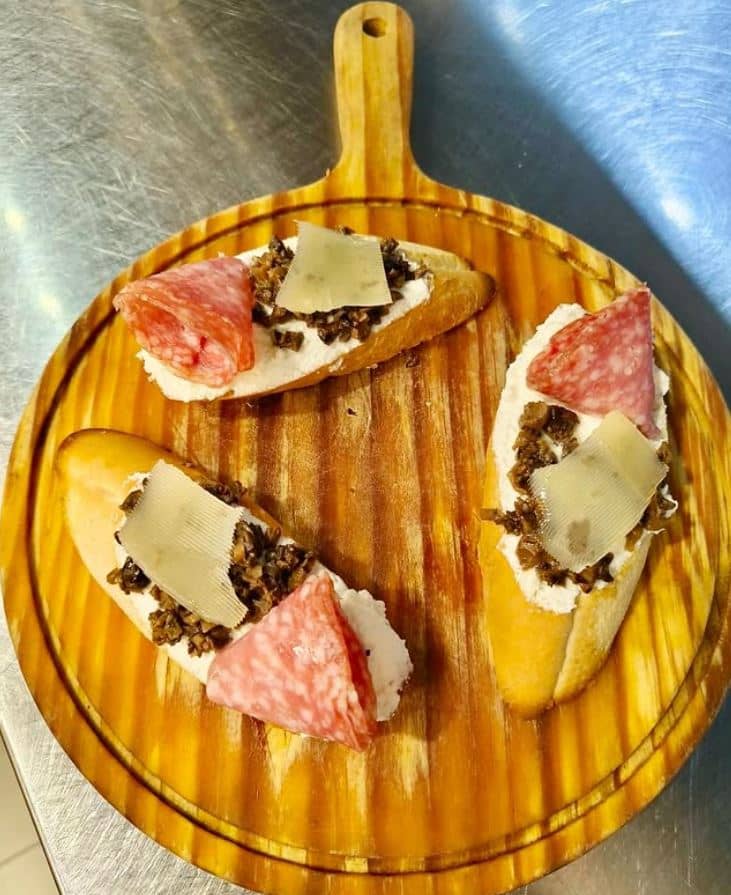
Mushroom bruschetta
user4
The heart and love always come along
His secret weapon, he insists, is Carolyn. “She created the backbone of Vabene — the accounting, the paperwork. She let me do what I love the most: cooking.” Their teamwork built the restaurant from the ground up, proving that dreams don’t have to start big to grow beautifully.
At home, Massimo continues passing down traditions to his children, much like his grandmother did for him. His eldest daughter is already gaining experience in the culinary industry abroad, his son is studying hospitality locally, and his youngest — just 12 — loves cooking beside him. “She’s very precise, very good,” he beams.
On to the future
Looking ahead, Vabene is preparing new dishes and a special take-home holiday menu for Noche Buena and New Year’s feasts. The restaurant also accommodates private events and continues refining the classics that made it special.
Asked what advice he can offer aspiring restaurateurs, Massimo’s answer reflects the humility that shaped his journey: “Start really small. Do one thing, and do it very well. People will know you for it. From there, you can expand.”
From a grandmother’s wooden board in Italy to a thriving pasta deli in Manila, chef Massimo Veronese’s story is a reminder that authenticity, passion, and simplicity never go out of style — especially when served from the heart.