
SCUTTLEBUTT


No nukes on shaky ground
An ecology group said the recent string of earthquakes may make it hard for the country to find a suitable place to put up nuclear power plants.
The Center for Energy, Ecology, and Development (CEED) has extended its deep sympathies and solidarity with the victims and survivors of the 6.9-magnitude Cebu earthquake and the more recent 7.4-magnitude temblor in Davao de Oro.
The past week has been a nightmare for our fellow Filipinos in the Central Visayas, with over 70 deaths and many still unaccounted for, over 160,000 displaced families, and over 8,000 aftershocks recorded to date.
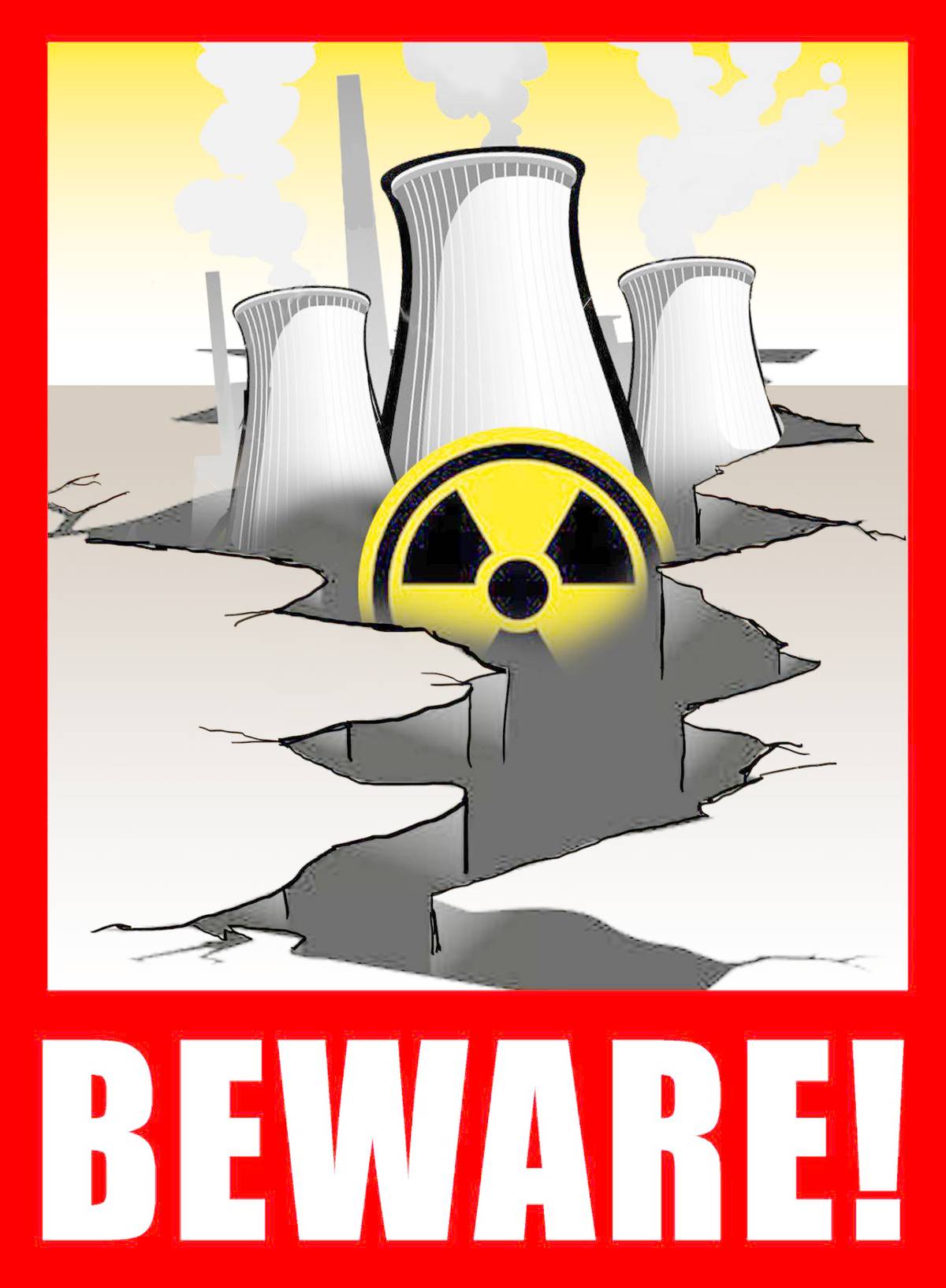
The CEED urged the government to take these disasters as a reminder of the need for policy and development directions that would strengthen, rather than harm, the resilience of Filipinos in calamities.
To this end, it is dismayed to see the Department of Energy (DoE) and other government agencies playing blind to the country’s high disaster and climate vulnerability by actively promoting nuclear energy use.
The earthquakes are a tragic reminder of the precarious geographic location of the Philippines, it being along the Pacific Ring of Fire.
The CEED recalled Japan’s experience of the 2011 Tōhoku earthquake and tsunami, which resulted in the meltdown of a reactor at the Fukushima Daiichi Nuclear Power Plant — the vicinity of which remains irradiated and unfit for human habitation today.
Newly confirmed Energy Secretary Sharon Garin, who hails from the Visayas, would know that the Cebu earthquake is but one example of the many perennial disasters, geological or otherwise, that strike the region and the country as a whole.