Colombia in 2 acts
The music simply was Colombia: Loud, tender, unafraid to be beautiful and broken at once.


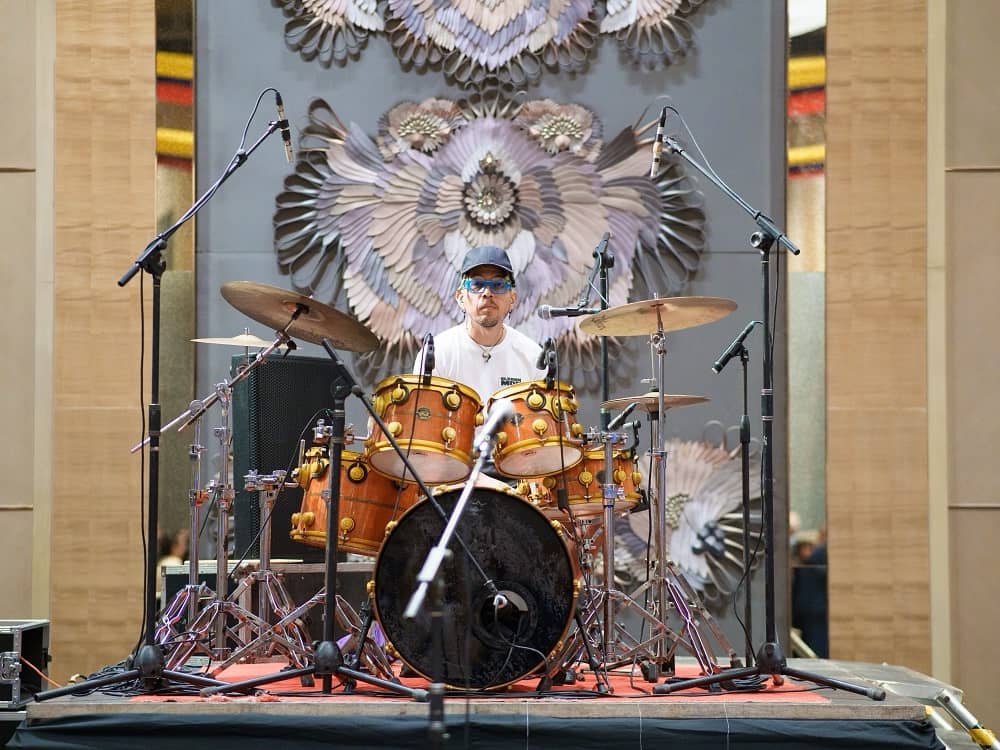
In a rare act of statecraft through sound, Colombia turned to Tribu Baharú (photos to the right) to communicate joy, history, identity during its recent National Day celebration in Manila attended by the diplomatic community, among others (left).
Recently at Shangri-La Fort, a Colombian man struck a cowbell so hard it startled a diplomat into dropping his wine.
The band was Tribu Baharú. The music: champeta, all brass and backbeat, born of Colombia’s Afro-Caribbean coast.
At first, hesitation. The pause you get in rooms where protocol outpaces rhythm. Then a shoulder twitched. A tie loosened. Someone laughed too loud. And just like that, the thing got under the skin. Movement.
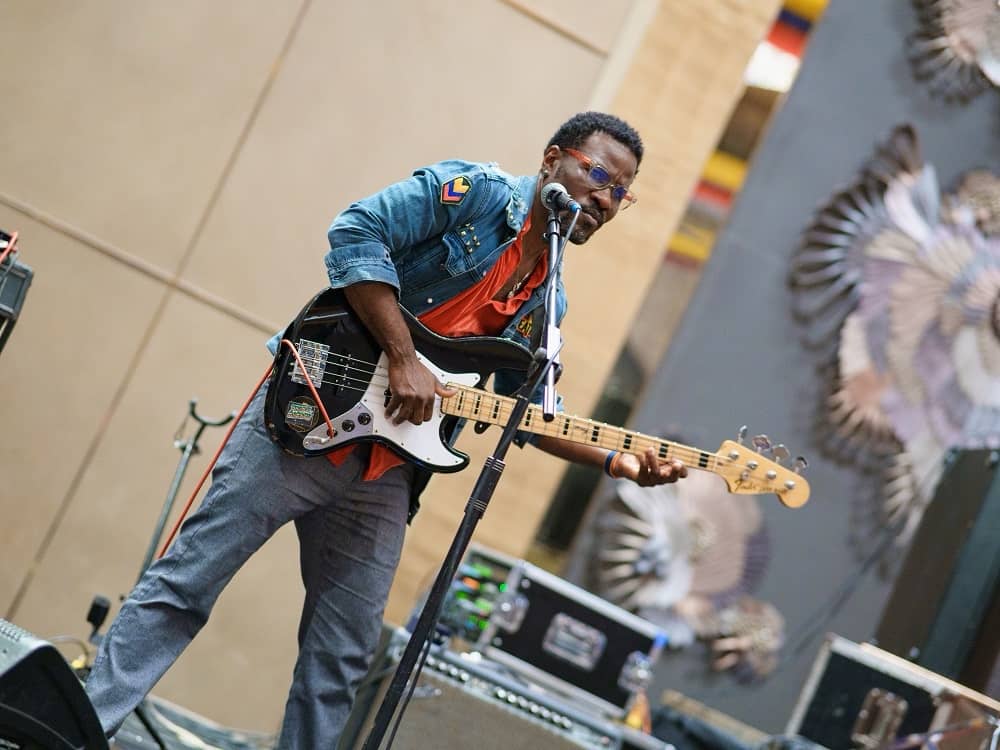
This was diplomacy.
Specifically, cultural diplomacy, the strategic soft power campaign of Colombia’s Foreign Ministry, which, in Manila, tells a story in two acts: one loud, one quiet. Tribu Baharú was the loud part.
They weren’t supposed to play it safe. And they didn’t. Champeta is not music for a dinner crowd. It was once banned from major radio in Bogotá, called vulgar, too street, too Black.
In other words, too real.
But now, at the function attended by government ministers, media, and business leaders, it was being amplified through five-star speakers, and it was glorious.
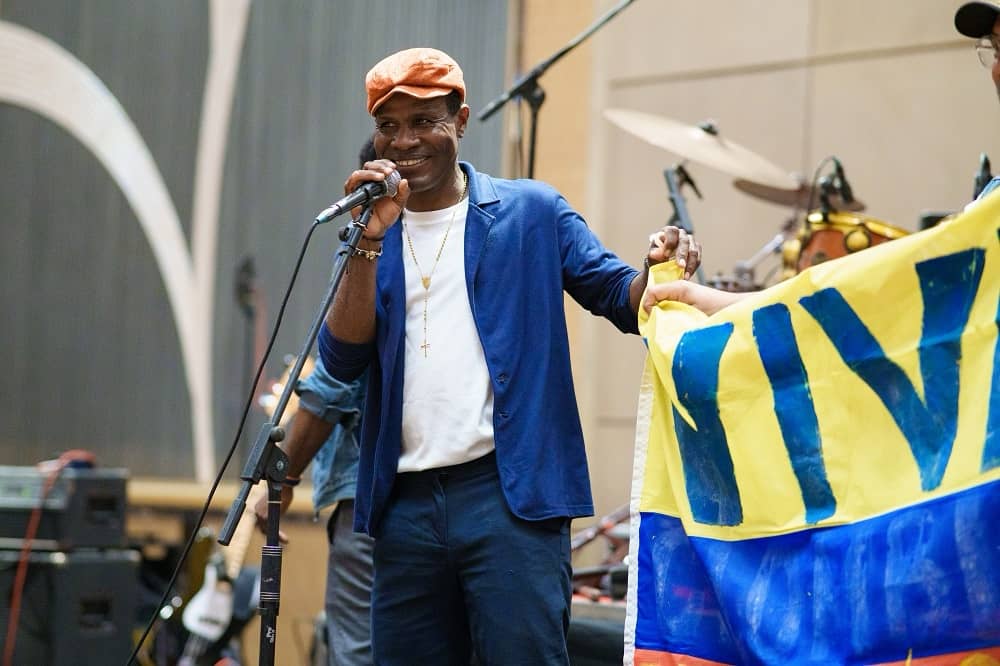
The band’s lead singer chanted songs like incantations rather than just merely introduce them. Bass dropped, beat galloped. Within minutes, the safe cultural performance had mutated into a full-body demand: move or be left behind. Diplomats swayed. Embassy staff danced in place. One skeptical guest removed his tie.
At the back of the room, Ambassador Rodrigo Rojas smiled like a man who knew he was playing a long game.
The embassy in the Philippines wants to show Colombia in the abstract, as well as in the music, the body, the color, the breath.
The ambassador said “Colombia” like it had too many syllables to contain.
Later, the word arrived in a different room and spoke in a whisper.
The venue was a mall cinema in Quezon City. The crowd was smaller, younger, more unsure of what they were about to see.
The film: Señorita María, la falda de la montaña, by Rubén Mendoza. It is not a loud film.
It follows María Luisa Fuentes, a trans woman in her forties, living in Boavita, a stubborn little town in the Colombian highlands. Here, the air is thin, religion thick, time moves in slow, reverent circles. The film sees a woman who dares, each morning, to exist, a character that tells you the beauty of Colombia lies in its contradictions.
You could say that is what embassies are for: to advance a national image. That rather oversimplifies it.
In Tribu Baharú, it showed you the sound of celebration from a people who’ve earned it. In Señorita María, it showed you quiet courage that asks nothing in return.
And if you were paying attention you would’ve seen that this was one act of self-portraiture. One nation, two frequencies.
Whether anyone in the Philippine government thought differently of Colombia afterward is impossible to know. It is unlikely that champeta found its way into local radio rotations, or that the story of a trans woman on a mountain will shift the conversations in some Quezon City mom and pop.
No matter, Colombia danced, disappeared, and left behind something that felt, somehow, like understanding.