
Portugal revisits Brocka’s defiant cinema
Portugal’s Doclisboa film festival screened 19 works by Lino Brocka, revisiting his stark portrayals of poverty, injustice, political repression under Martial Law.
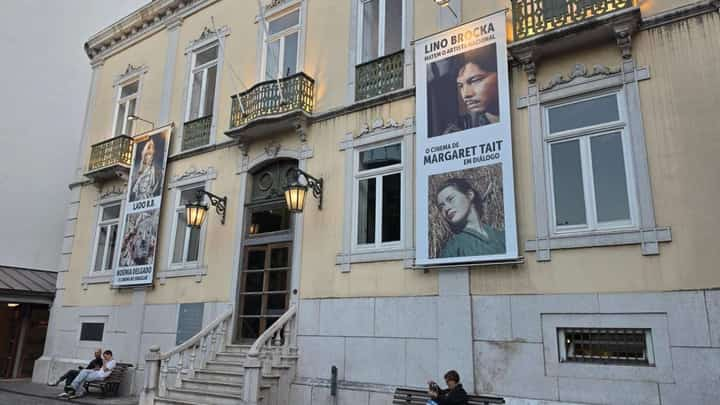
Lino Brocka made films about people society preferred not to see. The poor, the exploited, the desperate. And, often, those crushed by the very institutions meant to protect them.
Half a century later, Portugal is watching.
The 24th Doclisboa International Film Festival in Lisbon devoted a 10-day retrospective to 19 films by the late Filipino director Lino Brocka, provocatively titled “Lino Brocka: Kill the National Artist.”
The 10-day tribute, held from 16 to 25 October, revisited the work of a filmmaker who confronted poverty, injustice and political repression at a time when censorship under martial law made such storytelling dangerous.
Curated by Filipino filmmaker Khavn de la Cruz, the program sought to strip away the ceremonial reverence surrounding Brocka and return attention to the restless, uncompromising artist behind the honors.
Some of his films, festival director Helder Beja said, had rarely, if ever, been screened outside the Philippines.
The retrospective opened with Insiang, Brocka’s searing portrait of abuse and desperation in a Manila slum.
Also featured were Maynila sa mga Kuko ng Liwanag, Bona, Macho Dancer, Orapronobis and Bayan Ko: Kapit sa Patalim.
At the opening ceremony on 16 October, Philippine Ambassador to Portugal Paul Raymund Cortes recalled growing up with the cinema of the 1970s and 1980s, when filmmakers dared audiences to question the society around them.
Brocka’s characters, he observed, remain relevant even 50 years later.