
Is the Philippines ready for the ‘Big One’?
Metro Manila remains highly vulnerable despite some improvements in disaster risk management.

On 28 March, Myanmar and Thailand were hit with a 7.7 magnitute earthquake, devastating the two countries with the damage it caused.
The Philippines, an archipelago nestled along the Pacific Ring of Fire, is no stranger to earthquakes. Every year, thousands of quakes shake various parts of the country, with most causing minimal damage. But looming over all of them is the fear of “The Big One” — a hypothetical, but highly probable, massive earthquake expected to strike the West Valley Fault, which traverses Metro Manila and surrounding provinces. The question remains: Is the Philippines ready?
“The Big One” refers to a potentially catastrophic magnitude 7.2 earthquake along the West Valley Fault. The Philippine Institute of Volcanology and Seismology (PHIVOLCS) warns that this fault is capable of producing such an event, which could lead to tens of thousands of casualties, the collapse of infrastructure and widespread fires and panic across the National Capital Region.
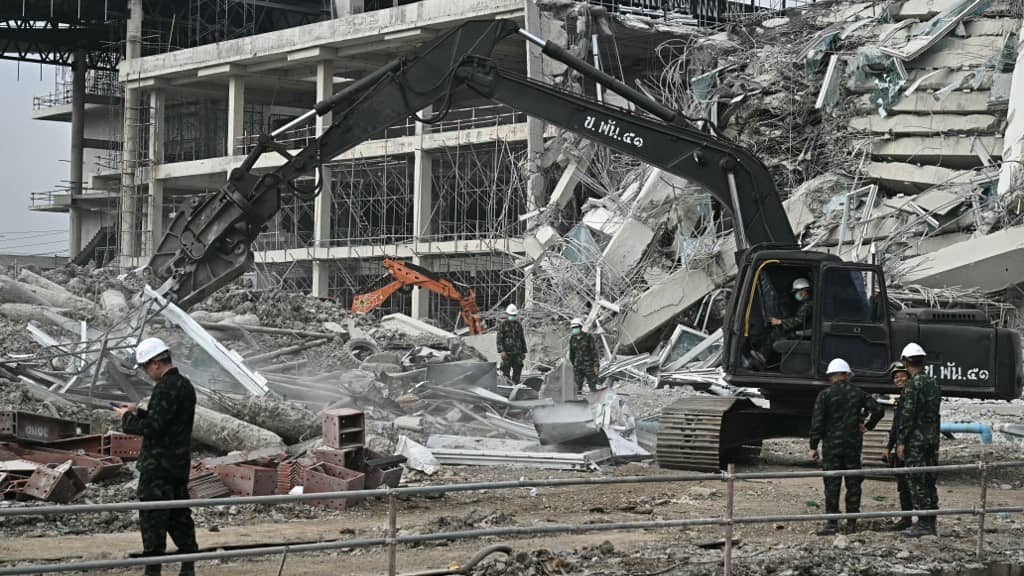
SEARCH and rescue teams work tirelessly to look for survivors.
The Metro Manila Earthquake Impact Reduction Study (MIERS), conducted by the Japan International Cooperation Agency (JICA), Metro Manila Development Authority (MMDA) and Phivolcs, predicts that a magnitude 7.2 quake could result in approximately 34,000 deaths from building collapses and 100,000 injuries due to structural failures. Additionally, 500,000 buildings could be damaged, with 170,000 completely collapsing. Fires could cause an additional 18,000 fatalities, while infrastructure disruptions — such as road damage, power outages and water supply failures — would worsen the crisis.
According to PLANADES executive director and UP School of Urban and Regional Planning professor Dr. Tabassam Raza, Metro Manila remains highly vulnerable despite some improvements in disaster risk management.
“Preparedness must move beyond policies and drills. The key lies in enforcement, education and community-level action,” says Dr. Raza.
While efforts like MMDA’s Shake Drill and updates to the National Building Code are commendable, many buildings still fail to meet seismic standards — especially in informal settlements and aging districts. Critical lifeline infrastructure, such as roads, bridges, power and water systems, remains highly exposed to damage, which would severely hamper emergency response efforts.
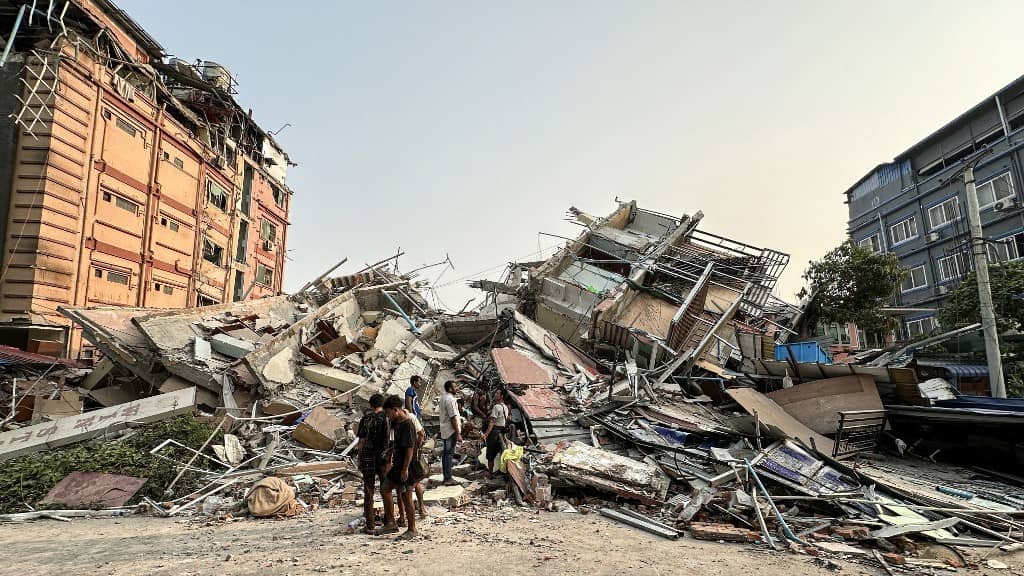
EARTHQAKE preparedness should not be a one-time event, but integrated into our everyday lives.
Are our infrastructures enough to keep us safe?
Metro Manila’s current infrastructure is not sufficient to withstand a magnitude 7.2 earthquake. While newer buildings are designed under more stringent codes, older structures and many informal homes remain unsafe.
According to MIERS, around 500,000 buildings could be damaged, with 170,000 collapsing entirely. Hospitals, roads, bridges and water lines are also vulnerable.
“No structure is completely earthquake-proof,” Dr. Raza notes. “Safety depends on proper design, construction quality and consistent maintenance.”
The National Structural Code of the Philippines (NSCP) sets the standard for earthquake-resistant homes, but many residential areas do not comply due to poor construction practices or lack of enforcement.
Homeowners are encouraged to:
• Consult licensed engineers to assess and retrofit old homes
• Conduct visual screening through city or municipal engineering offices
• Follow NSCP guidelines when building or renovating
• Secure furniture and appliances
• Prepare emergency plans and survival kits
In addition to the NSCP, the National Building Code (PD 1096) governs how structures are designed to withstand natural disasters. These include seismic provisions, flood-resilient foundations, and wind load considerations — especially for high-rise structures.
Yet, enforcement remains inconsistent. Many older buildings, especially those built before 1992, were not designed with modern seismic considerations.
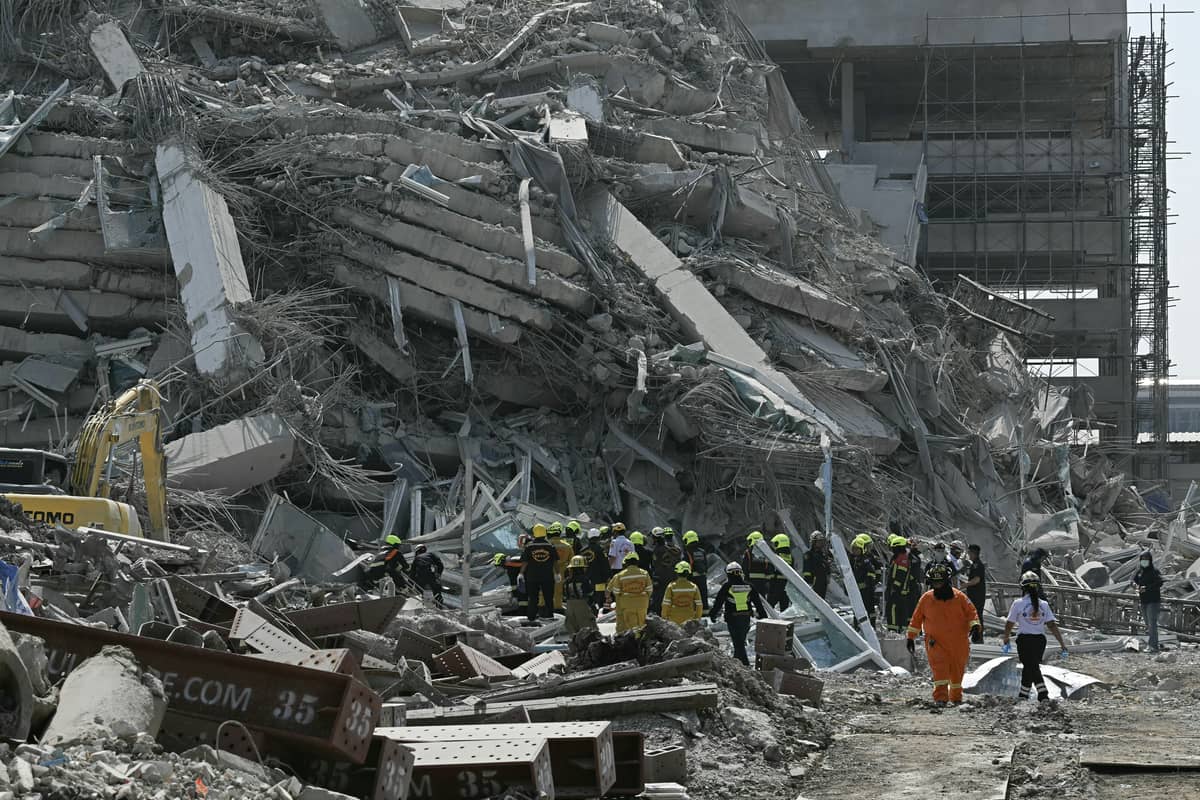
EARTHQUAKE preparedness must go beyond policies and drills.
How earthquake-resistant are our buildings?
Modern buildings, bridges and hospitals follow the updated NSCP, revised multiple times since 1992 to align with international standards. Features like base isolators, dampers and reinforced concrete help absorb seismic energy.
However, many pre-1992 buildings and non-engineered homes are highly vulnerable. Retrofitting and continuous inspection are vital to reduce risks.
What can Filipinos do to earthquake-proof their homes and businesses?
Earthquake-proofing should begin with awareness and action at the individual level. Structural reinforcement, securing interiors and preparing emergency plans are essential. For businesses, planning shelter-in-place protocols and retrofitting offices can make a life-saving difference.
“Preparedness is a shared responsibility. Every Filipino must treat it not as a one-time event, but as a way of life,” Dr. Raza emphasizes.
The threat of “The Big One” is not just a possibility — it’s a matter of time. While the government has made commendable efforts, preparedness must go beyond policies and drills. As Dr. Raza emphasizes, the key lies in enforcement, education and community-level action. Earthquake resilience is a shared responsibility between government, professionals and citizens alike.
To truly be ready, we must treat preparedness not as a one-time event but as a way of life — integrated into how we build, plan and live every day. The time to act is now — before it’s too late.