




DepEd bridges gap for last-mile schools with technology
Text size
With laptops, tablets and Smart TVs now available in schools, teachers can create visual aids using design software, saving time and allowing them to focus more on lesson planning, which leads to improved student engagement and learning outcomes.
Gone are the days when teachers relied solely on manila paper for visual aids.
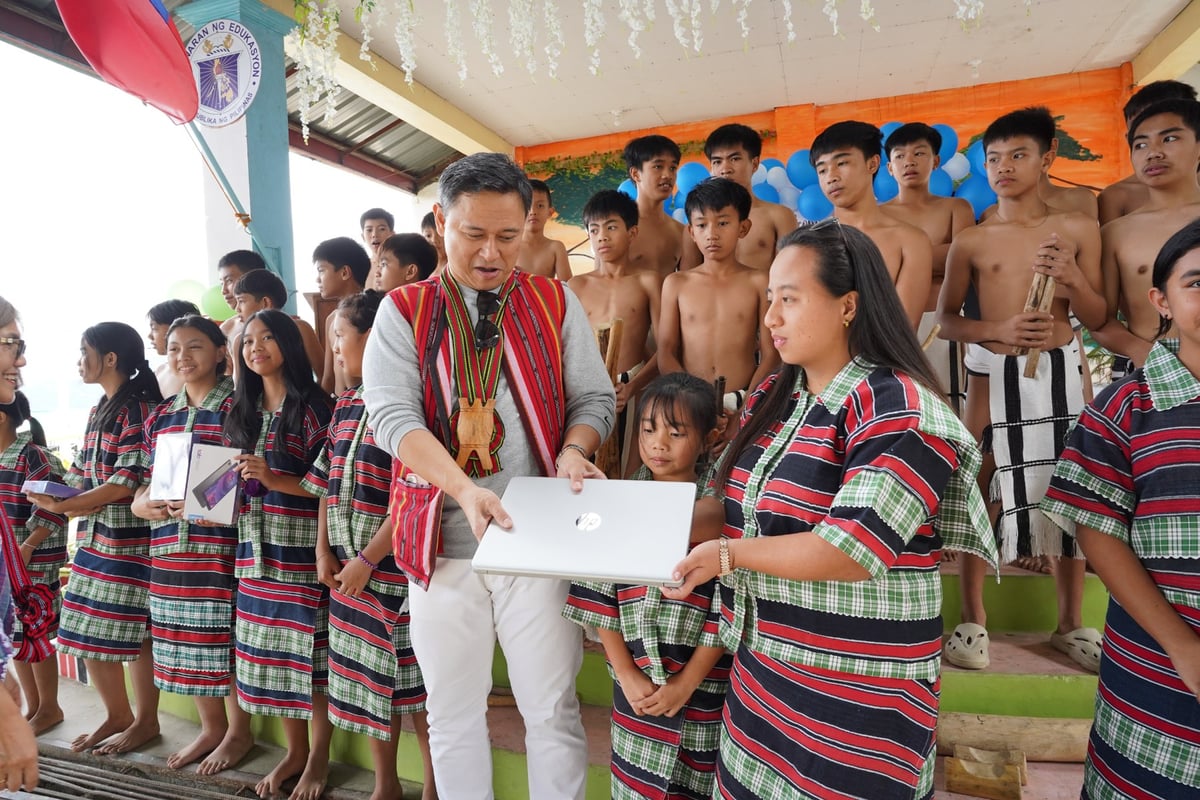
Teachers Elizabeth Tovera and Juna Mirason from Jose Gonzales Elementary School (JGES), a last-mile school in Benguet, previously dedicated much of their time to writing lessons on manila paper.
These are the challenges that last-mile and multigrade school teachers faced before the implementation of the Department of Education’s (DepEd) Computerization Program (DCP).
Multigrade schools like JGES combine two grade levels in one classroom. This setup requires teachers to prepare separate lesson plans, visual aids, and student records — all previously handwritten and manually computed.
Ryzza Mae Mayomis, a Grade 6 student at JGES, shared how her tablet has become essential for her assignments and projects. Since acquiring the device, she feels empowered to take on her daily classes.
Aside from making teachers’ lives easier, the DCP’s priority is to provide learners with better access to technology, enhancing the learning experience.
Housing is probably the biggest issue affecting people the world over.
Malacañang on Monday called for a more thorough investigation into the questioned flood control projects in Taguig…
The defense on Monday backed the move by senator-judges to exclude a prosecution witness who testified on the firearms…
