
Have a healthy holiday
For individuals managing diabetes, the festivities can present unique challenges, especially with enticing foods, disrupted routines, and the stress of holiday preparations

The holiday season is a time for celebration, connection, and often, indulgence. For individuals managing diabetes, the festivities can present unique challenges, especially with enticing foods, disrupted routines, and the stress of holiday preparations.
When I was pregnant with our eldest child, I found myself struggling one holiday season, as I had been diagnosed with gestational diabetes. This is a condition where your blood glucose levels are elevated during pregnancy. With several Christmas parties and celebrations ahead, I felt reluctant to attend because of all the tempting foods I knew would be there.
However, enjoying the season while keeping blood glucose levels in check is entirely possible with some mindful planning and practical tips.
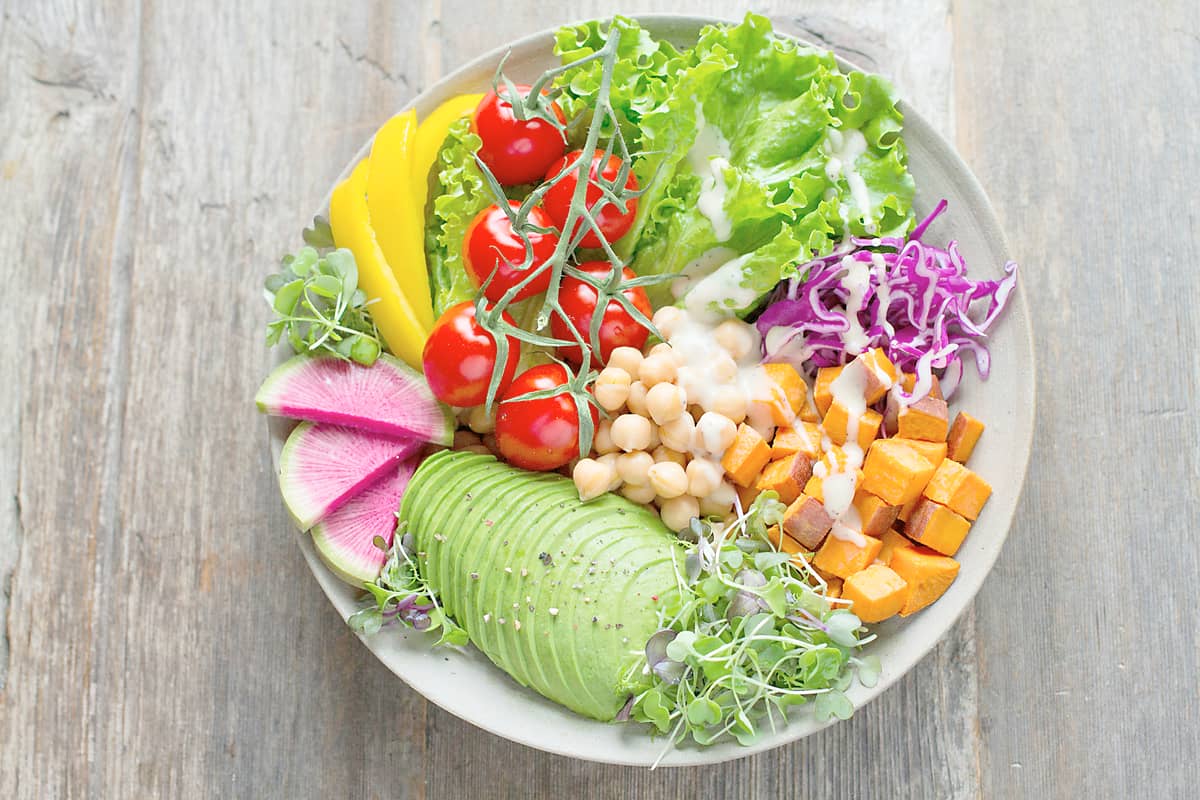
Balance your plate.
1. Plan ahead for holiday meals
•Preparation is key to enjoying holiday meals without surprises.
Know the menu: Ask about the dishes in advance or survey the spread before filling your plate. This helps you decide what to eat and what to skip.
•Bring a diabetes-friendly dish: Offer to contribute a healthy option, like a salad, vegetable dish, or a dessert made with sugar alternatives.
•Balance your plate: Fill half your plate with non — starchy vegetables, a quarter with lean protein, and the remaining quarter with whole grains or starchy foods.
2. Watch portion size
•While holiday treats are tempting, managing portions is essential to avoid spikes in your blood glucose.
•Use a smaller plate to naturally limit servings.
•Start with smaller portions of indulgent dishes; you can always go back for more — if needed.
•Slow down and savor each bite. Eating mindfully helps you enjoy the flavors while giving your body time to signal fullness.
3. Make smart food exchanges
•Make healthier choices without feeling deprived.
•Choose roasted or grilled meats over fried options.
•Choose complex carbohydrates like brown rice, quinoa, or sweet potatoes over white bread or mashed potatoes.
•For dessert, a serving of fresh fruit or a small portion of dark chocolate can satisfy sweet cravings with less impact on blood sugar.
4. Stay active
•Physical activity can help manage blood sugar levels, even during the busy holiday season.
•Incorporate movement into holiday traditions, such as a family walk after meals or dancing to festive music.
•If attending multiple gatherings, schedule time for a quick home workout or yoga session to keep your body active.
•Even simple activities like taking the stairs, playing with kids, or running errands can add up.
5. Monitor blood glucose levels
•Regular monitoring allows you to understand how different foods and activities affect your blood glucose levels.
•Check your levels more frequently during the holidays, especially if trying new dishes or engaging in unusual activities.
•Use your readings to adjust food choices, medication, or activity levels as needed.
•Keep a journal of what you eat and how it impacts your levels; this can be useful for planning future events.
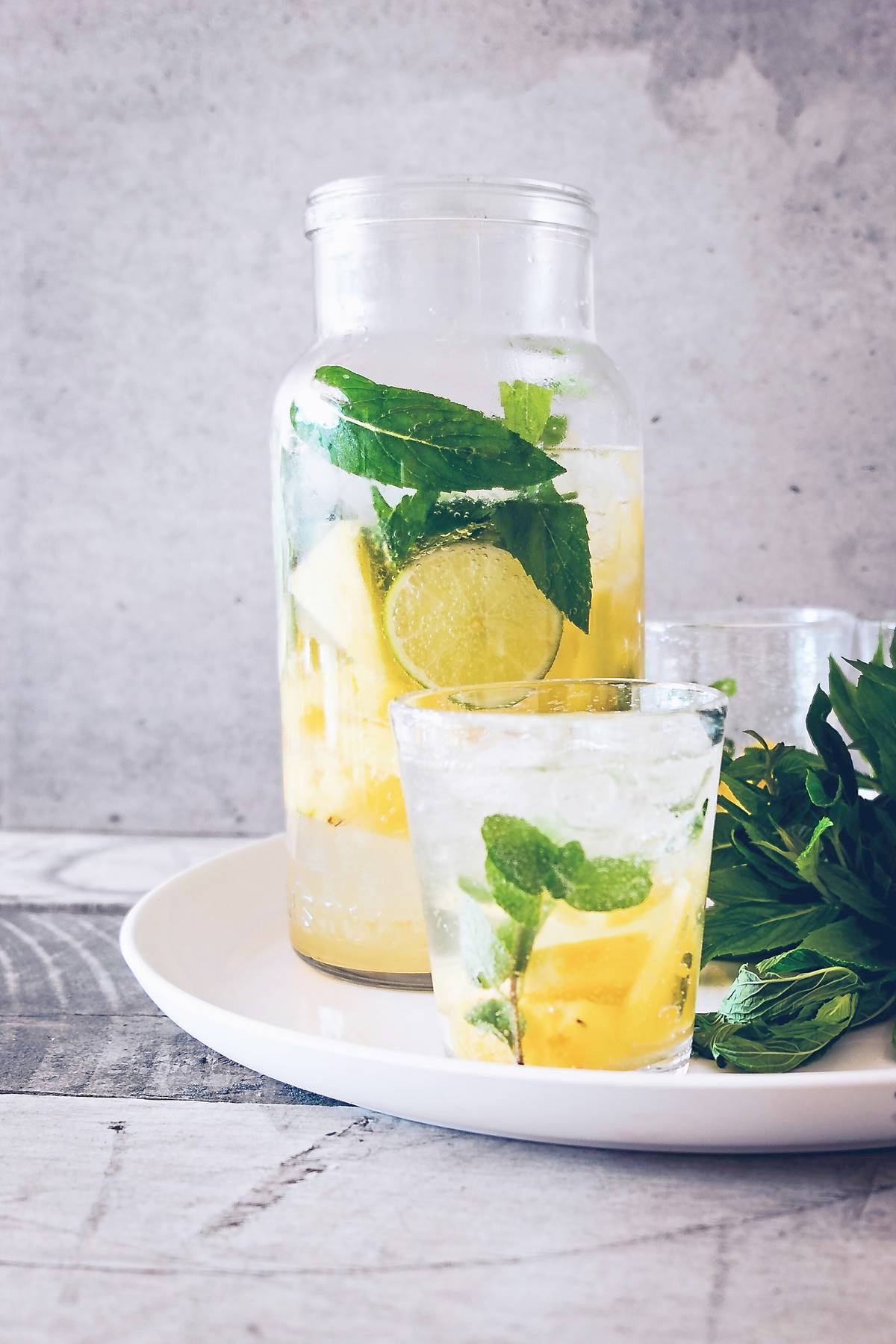
Drink water as your primary beverage to stay hydrated.
Photographs courtesy of UNSPSLASH
6. Stay hydrated
•Holiday beverages like cocktails, eggnog, juice or sugary sodas can significantly impact blood sugar.
•Drink water as your primary beverage to stay hydrated and prevent unnecessary calorie and sugar intake.
•If drinking alcohol, limit your intake and always consume it with food to prevent blood sugar dips.
7. Manage stress
•Stress can raise blood sugar levels.
•Combat holiday stress by delegating tasks and setting realistic expectations for celebrations.
•Practicing relaxation techniques such as deep breathing, meditation, or listening to calming music.
•Prioritizing quality sleep by maintaining a consistent bedtime and avoiding late—night snacks.
8. Don’t skip meals
•Skipping meals to “save up” for a big feast can backfire, leading to overeating.
•Eat small, balanced meals or snacks throughout the day.
•Include fiber and protein in your snacks, like a handful of nuts or yogurt, to keep you satiated.
9. Have a plan for emergencies
•Unpredictable situations can arise during the holidays.
•Always carry your diabetes supplies, including a glucometer, medications, and fast-acting glucose (like glucose tablets or candy).
•Inform a trusted friend or family member about your condition and what to do in case of an emergency.
10. Celebrate mindfully
•Finally, remember that the holidays are about more than food.
•Focus on the joy of spending time with loved ones, creating memories, and celebrating traditions.
Managing diabetes during the festive season requires balance, not perfection. By planning ahead, making thoughtful choices, and listening to your body, you can enjoy the holidays without compromising your health. Remember, every small step toward managing your diabetes counts — and your health is the greatest gift you can give yourself. And by staying healthy you can look forward to more holiday seasons to celebrate and enjoy.