




DoH: Dengue cases on the rise


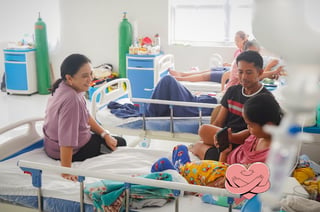

The Department of Health (DoH) on Wednesday has warned of a significant increase in dengue cases across the country.
In a recent press briefing, Health Secretary Teodoro Herbosa reported an 81 percent surge in dengue cases compared to the same period last year. The surge is particularly noticeable during the months of September, October and November, which are typically peak dengue seasons in the Philippines.
“Our Epidemiology Bureau has noted a significant increase in dengue cases,” Herbosa said. “We’ve compared this year’s data with last year’s, and the numbers are alarming.”
To address the rising number of cases, the DoH has urged local government units to intensify efforts to eliminate mosquito breeding sites. Regular clean-up campaigns, particularly in residential areas, are crucial to prevent the spread of dengue.
Herbosa also advised the public to take preventive measures such as eliminating breeding sites, using insect repellent and wearing protective clothing.
Aside from dengue, the DoH is also monitoring a potential increase in respiratory illnesses, particularly during the upcoming rainy season. The agency is urging the public to practice good hygiene, such as frequent handwashing and covering one’s mouth when coughing or sneezing.
“When it rains, we tend to stay indoors with closed windows, which can increase the risk of respiratory infections like influenza and Covid-19,” Herbosa said.
The DoH has also raised concerns about waterborne diseases, particularly diarrhea, due to potential contamination of water sources. The agency recommends boiling drinking water to minimize the risk of infection.


