




Bioinvasions linked to fouled ship hulls

Text size
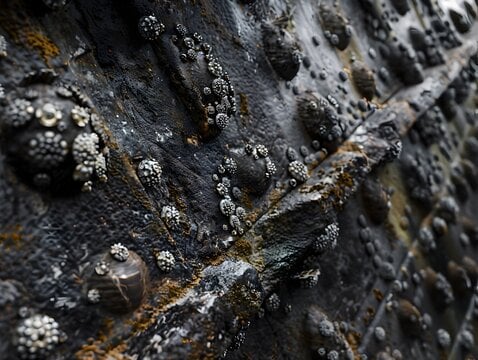
Biofouling can result in the introduction of invasive species that threaten local ecosystems. According to recent studies, up to 70 percent of bioinvasions are connected to fouled ship hulls (https://www.ipbes.net/IASmediarelease). Invasive species, such as the Pacific Oyster, have already caused significant harm to local marine life, especially along the coast of Norway.
“When I grew up on the coast of Norway, we used to play in the shallows without worry, but today, children can no longer run into the water barefoot. They need to wear protective shoes because of razor-sharp mussels everywhere, a direct result of the Pacific Oyster’s invasion,” Dr. Christer Opstad, global R&D director of fouling protection in Norwegian chemical company Jotun, said in the panel discussion titled “Navigating the Future: Bridging Shipping, Biodiversity, and Decarbonization” organized by the United Nations Foundation at the Shangri-La’s Mactan Resort and Spa-Cebu on 18 November.
This example underscores the need to address biofouling not just as an environmental issue, but as one that affects human lives and local communities.
In addition to posing a biosecurity risk, biofouling can also increase a ship’s carbon emissions.
The International Maritime Organization have reported that even small amounts of fouling can increase emissions by up to 19 percent.
“Considering that shipping accounts for about 3 percent of global emissions, this is a major concern. By keeping hulls clean, we can largely avoid these additional emissions and biosecurity risks,” Opstad said.
Housing is probably the biggest issue affecting people the world over.
Malacañang on Monday called for a more thorough investigation into the questioned flood control projects in Taguig…
The defense on Monday backed the move by senator-judges to exclude a prosecution witness who testified on the firearms…
