
German emissions at 70-year low as coal use drops
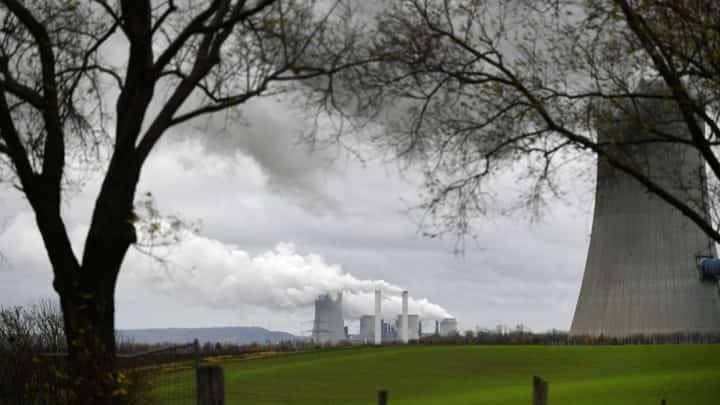
FILE PHOTO: The picture shows the coal-fired power station of German energy giant RWE in Neurath, western Germany, 28 November 2019. (Photo by Ina FASSBENDER / AFP)
German emissions were at their lowest point in around 70 years, as Europe's largest economy managed to reduce its dependence on coal faster than expected, a study published Thursday showed.
Europe's biggest economy emitted 673 million tons of greenhouse gases last year, 73 million tons fewer than in 2022, according to the energy think tank Agora Energiewende.
The figure was at its lowest point "since the 1950s", Agora said in a statement, while warning that Germany had work to do to further reduce its emissions.
The drop was "largely attributable to a strong decrease in coal power generation", Agora said.
Germany had resorted to the fuel in the wake of the Russian invasion of Ukraine when Moscow cut off gas supplies to the European giant. But since then, Germany has pared down its use of fossil fuels significantly.
Electricity generation from renewable sources was over 50 percent of the total in 2023 for the first time, while coal's share dropped to 26 percent from 34 percent, according to the federal network agency.
The cut in coal use accounted for a reduction of 46 million tons in CO2 emissions, the think tank estimated.
At the same time, industrial emissions fell by 20 million tons, as production in energy-intensive industries dropped sharply.
The renewables record brought Germany closer to its target to produce 80 percent of its electricity from wind and solar by 2030, Agora chief Simon Mueller said.
But the reduction in emissions from the industry did not reflect a "sustainable development", Mueller said.
"The crisis-related slump in production weakens the German economy. If emissions are subsequently relocated abroad, then nothing has been achieved for the climate," he said.
In all, the think tank estimated that only 15 percent of the reduction in 2023 constituted a "permanent emissions savings".
To hit its climate targets, Germany needs a "barrage of investments" to modernize industry and reduce the carbon footprint from heating, Mueller said.