
Undas: An enduring Filipino tradition


Undas, a cherished Filipino tradition, encompassing 1 and 2 November, are days of both solemnity and celebration, as families reunite at cemeteries to pay homage to their ancestors. Amid the flickering glow of candlelit graves, stories are shared, tears are shed, and laughter echoes through the hallowed grounds, creating a profound sense of connection between the living and the departed.
Undas, also known as Araw ng mga Patay or "Day of the Dead," is an annual tradition deeply ingrained in the Filipino culture.
This observance takes place on November 1st and 2nd, coinciding with the Western All Saints' Day and All Souls' Day. Undas holds a special place in the hearts of Filipinos, serving as a time for remembrance, reflection, and communal gathering.
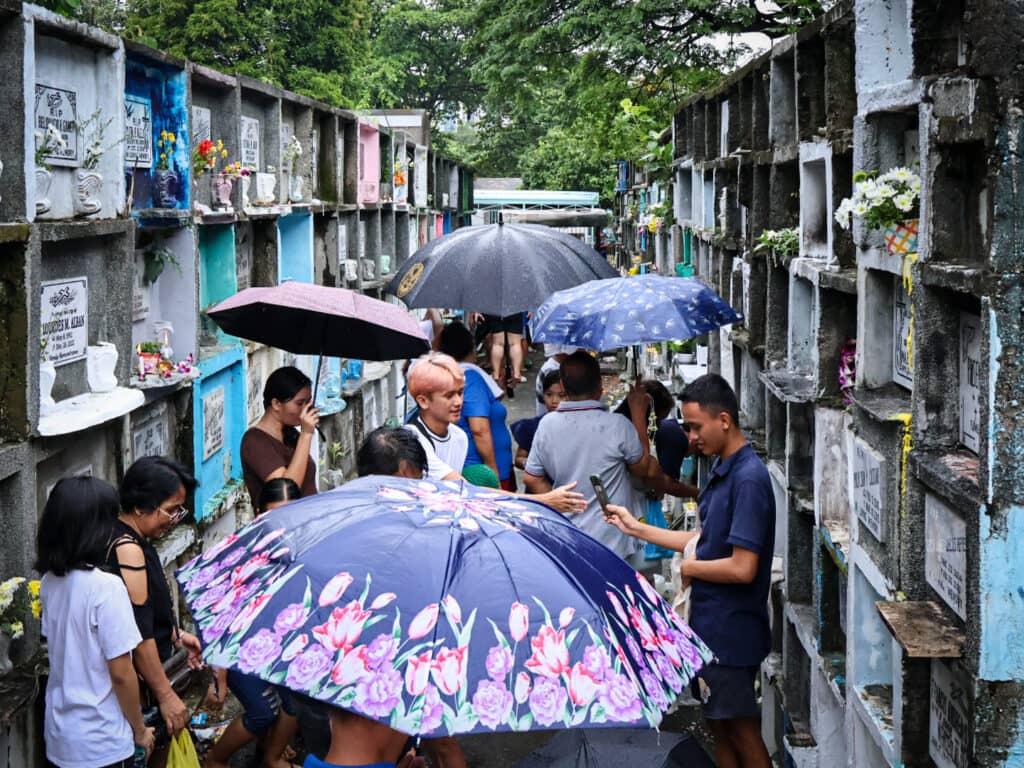

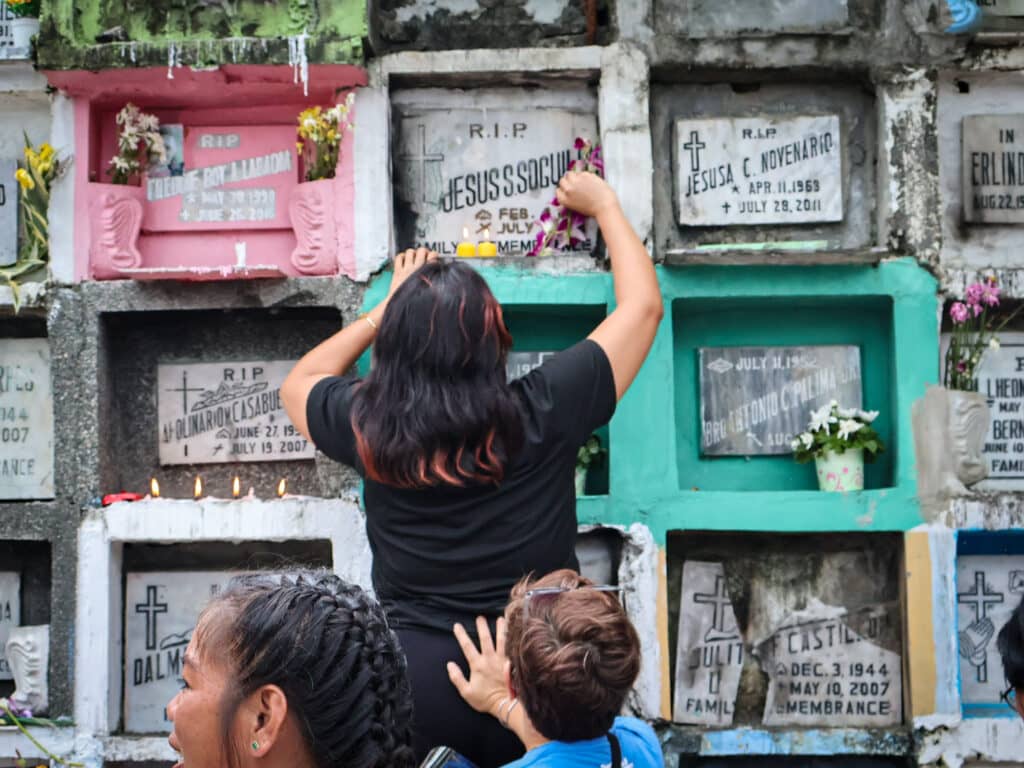
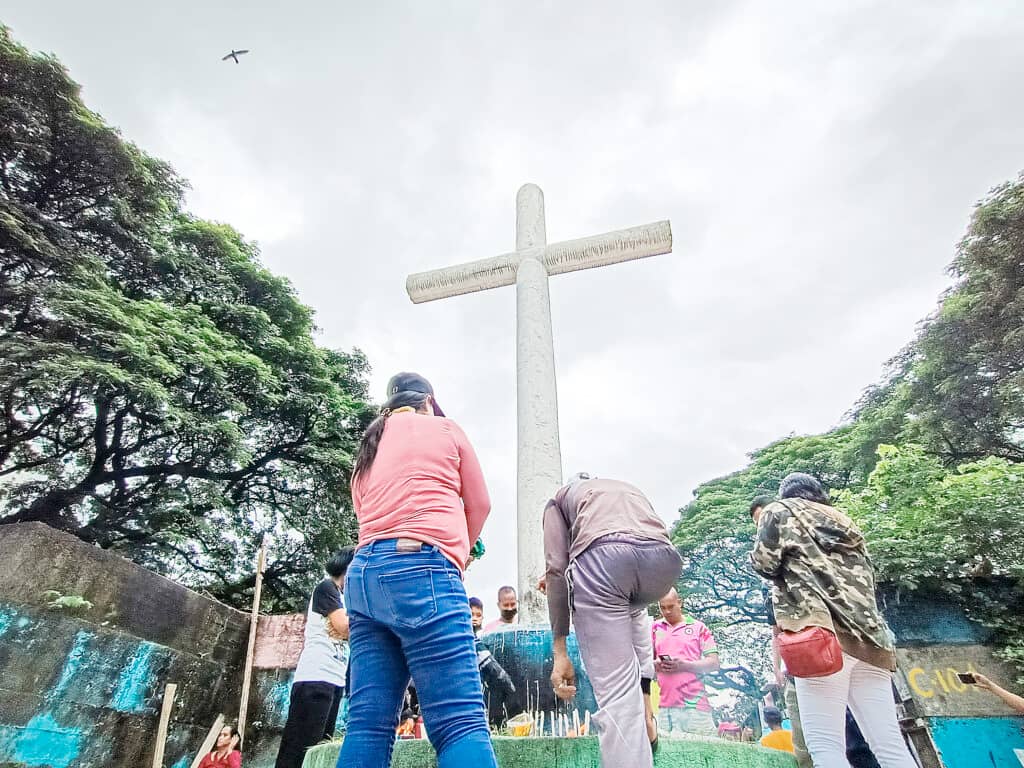
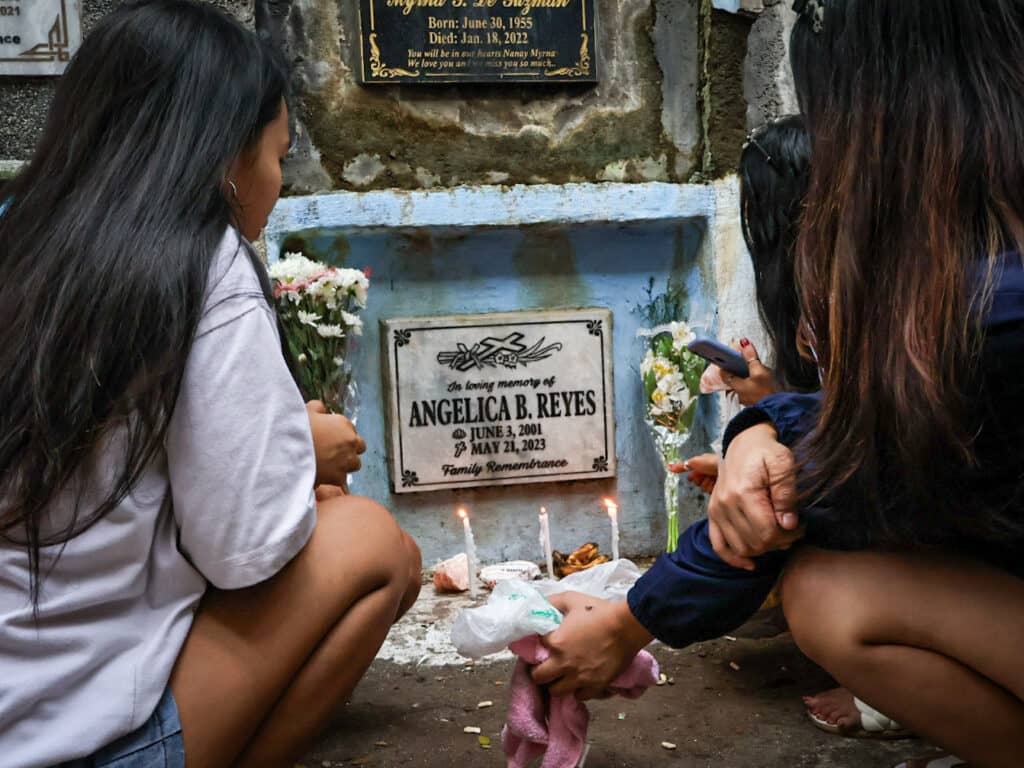
Foremost, Undas is a time to honor and remember departed loved ones. The Filipino culture strongly emphasizes family and relationships, and this tradition allows families to pay their respects to departed family members.
All roads lead to cemeteries across the country during Undas as families visit the graves of their ancestors and loved ones. They offer prayers, light candles, and decorate the graves with flowers, candles and other ornaments. It is a time for Filipinos to reconnect with their roots, show respect to their forebears, and keep the memory of the departed alive.
Undas also provides an opportunity for reflection and introspection. Many Filipinos contemplate their mortality and the impermanence of life. This reflection fosters a sense of humility and gratitude for their time with their loved ones. It encourages individuals to live more purposefully and appreciate the present moment. In this way, Undas serves as a reminder to cherish life and the relationships that define it.
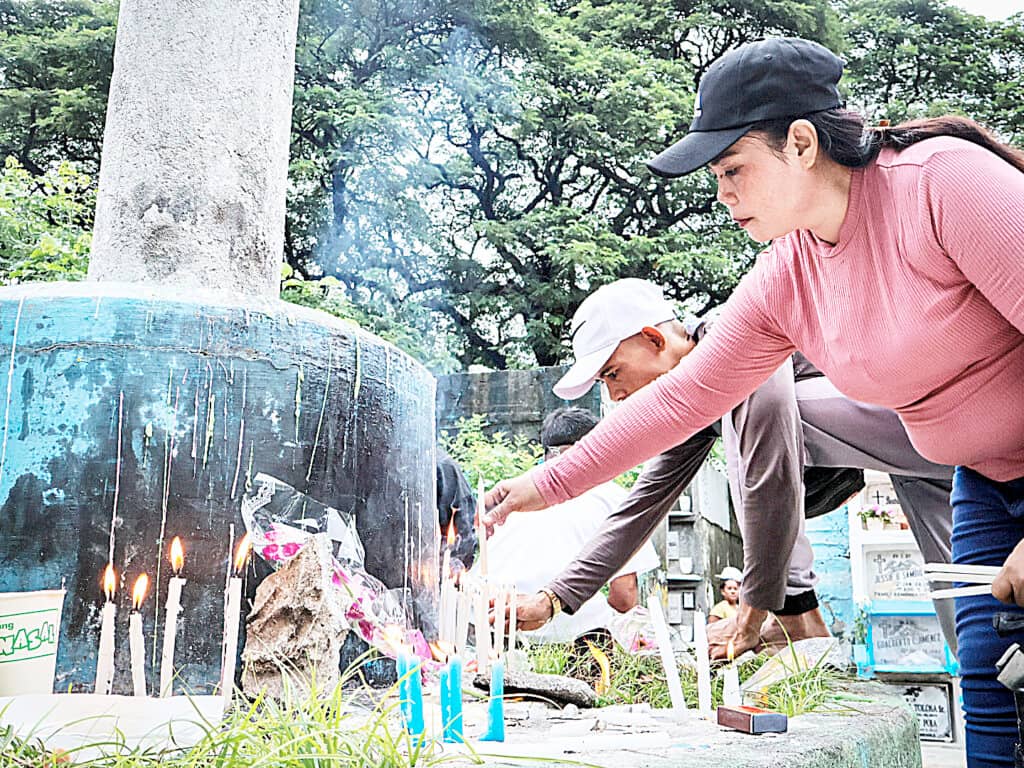

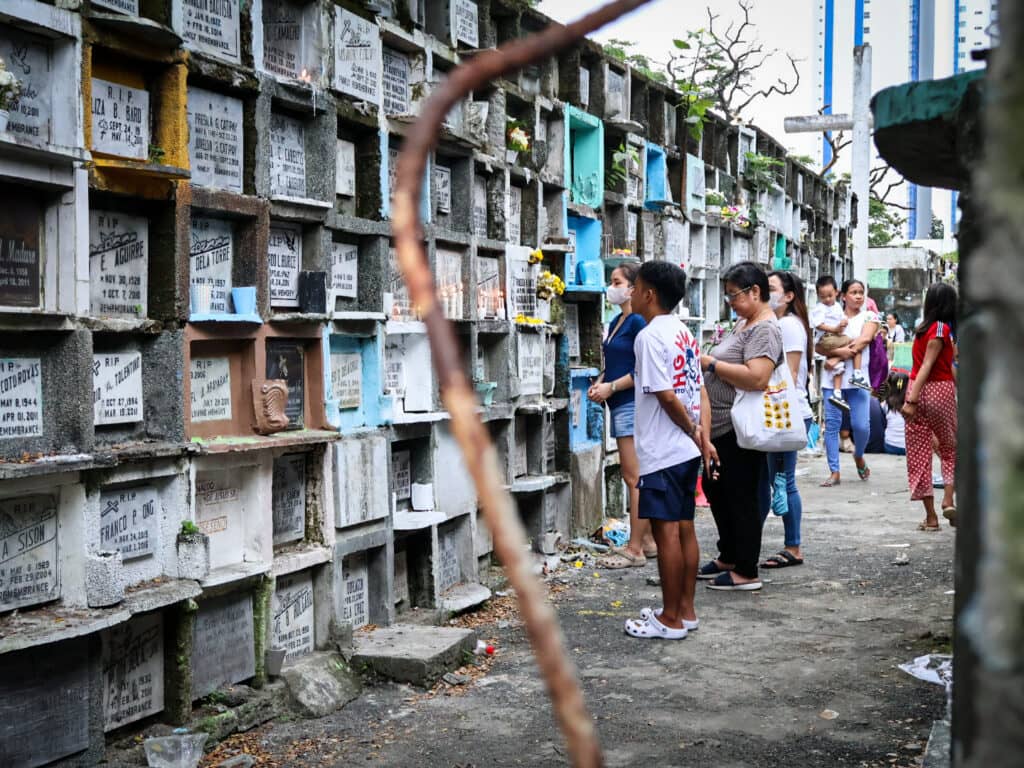
Another essential aspect of Undas is the sense of community it fosters. Families and friends come together, often traveling long distances to be with their loved ones.
It is when people set aside their busy schedules to be present for one another. The shared experience of visiting cemeteries, offering prayers, and sharing stories of the departed creates a strong sense of togetherness and support. This communal aspect of Undas strengthens the bonds between individuals and reinforces the importance of family and community in Filipino society.
Undas, therefore, is not just a time of mourning but also a time for celebration. While it may seem paradoxical to celebrate in a cemetery, this celebration reflects the Filipino's unique approach to life and death.
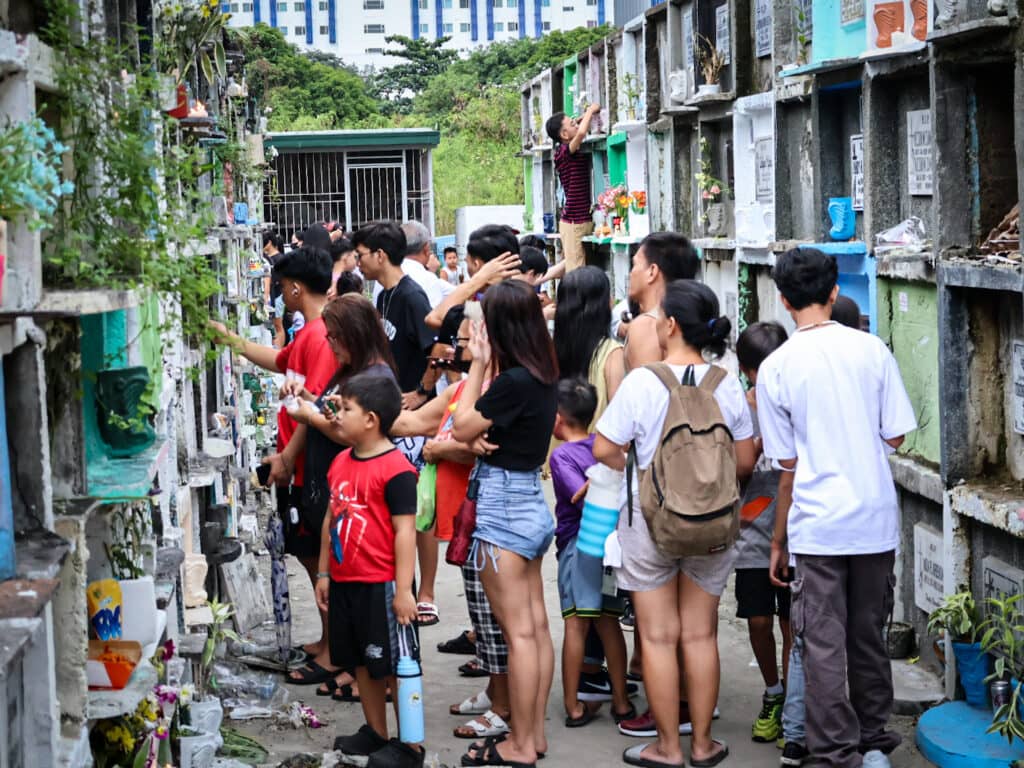
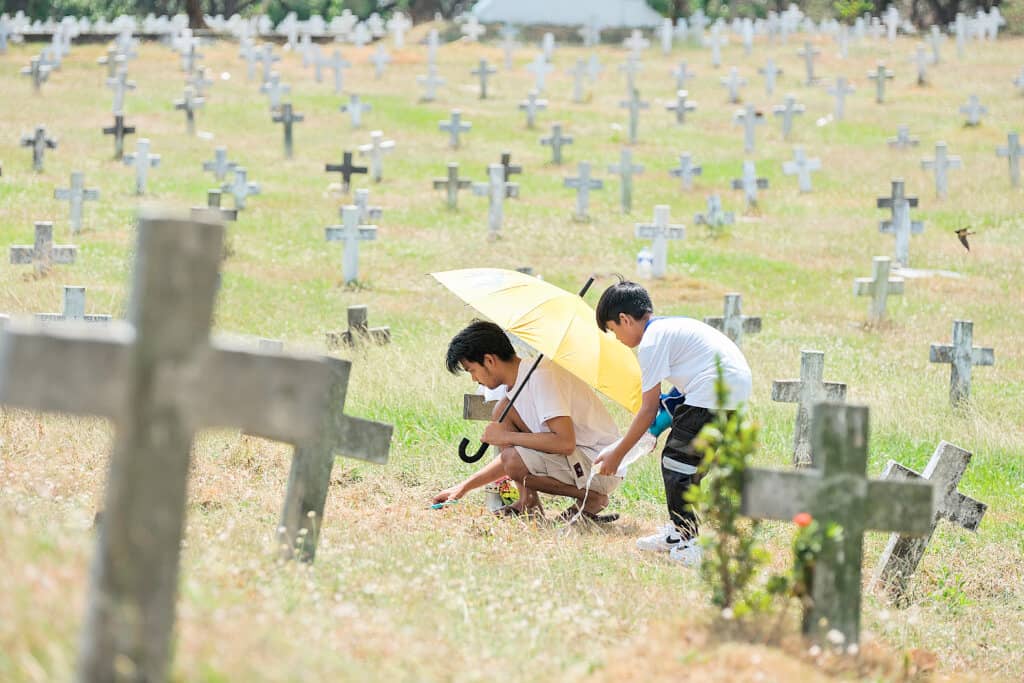
Many families bring food to share during their cemetery visits, turning the event into a picnic or potluck gathering. This act of feasting at the gravesite signifies the belief that the spirits of the departed are still a part of the family's life and should be included in the celebration.
Undas, as practiced today, is a fusion of indigenous and Spanish influences. It is not just a two-day observance but a testament to the enduring Filipino spirit of family, community, and remembrance.