
When the game we love becomes deadly
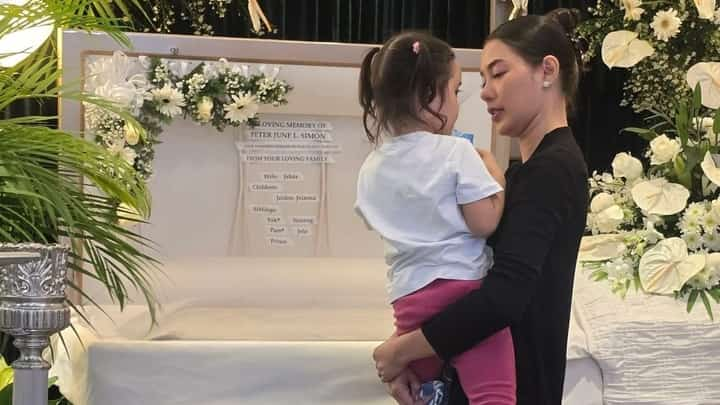
Former Philippine Basketball Association (PBA) star Peter June “PJ” Simon’s passing away after collapsing during a basketball game in Davao City last week is another painful reminder of how fragile life can be. He was just 46.
He is not the first basketball personality we have lost under circumstances that make us wonder if something could have been done to prevent it.
Gilbert Bulawan was only 29 when he suffered cardiac arrest in a Blackwater practice in 2016. Terrafirma assistant coach Emerson “Emer” Colina, 59, went down while playing in a 50-and-above league in 2024. Tanduay team owner Lucio “Bong” Tan Jr., 53, died after suffering a medical emergency while coaching in 2019. Samboy Lim, a retired PBA legend, lost consciousness after playing in an exhibition game in 2014 at the age of 52, suffered severe neurological damage, and eventually passed away in 2023.
Past and probably future National Basketball Association (NBA) stars, Hank Gathers, Reggie Lewis, Pete Maravich and Zeke Upshaw also shocked the basketball world with similar deaths.
Even our youth are not spared.
Gilas Pilipinas Girls standout and National University Lady Bullpup Ashlyn “AA” Abong and University of the Philippines Fighting Maroon Israel Osamudiame Friday were both just 19 when they suffered medical emergencies during training in 2025. Jose Rizal University’s 17-year-old CJ Servillon died after going down during a game in 2015. Grade 11 student Shann Mikhail Estaquio died after falling ill during school intramurals in 2025. And in Davao, 23-year-old Philip Saladio Jr. died after suffering cardiac arrest while playing in a local basketball league.
Devastating. Lives cut short. Families and friends left grieving.
Is it simply God’s will? Is it inevitable when one’s time on earth is up? Questions we may never be able to answer.
But perhaps we should ask more questions. Could some have been detected earlier? Were there underlying conditions? Are our screening protocols adequate? Are there factors we still don’t understand? Emerging theories deserve investigation — not dismissal, but not conclusions without evidence.
These tragedies should reignite conversations about medical preparedness, health screening, CPR training and AED availability — not just in organized leagues, but in basketball courts rented by ordinary Filipinos who simply love the game.
In 2016, the Samboy Lim Law made basic life support training more accessible in schools. The law is a start, but it needs stronger implementation — and a wider culture of preparedness.
Basketball is played year-round here, from kiddie leagues to the 40s, 50s, 60s and even 70s. We simply don’t know when to stop. Even with knees that need icing, backs that need rubbing, joints that need stretching and body parts that need massages or ventosa. Even those taking maintenance medicines still lace up, despite having other exercise options.
How many actually undergo regular checkups? How many can afford blood tests or comprehensive screening? PhilHealth has preventive healthcare programs, but access, awareness and affordability remain challenges.
Perhaps there should be a way to make sudden death on the basketball court less likely. Not the sudden death that decides a championship, but the kind that ends a life.
Maybe my aching knees and sensitive back are blessings in disguise. They forced me to retire from the game that has virtually been my life, even just for weekend pickup games in our subdivision.
I now settle for leisure biking, trying golf or simply walking around the neighborhood.
I still love basketball. My work still revolves around it. But perhaps loving the game also means knowing when your body is telling you it’s time to stop.
Because sometimes, the most important game we need to win is the one that keeps us alive.