
Rice as a side hustle

A little bird from Southern Luzon tells Nosy Tarsee that a warehouse of a certain government grains agency has a side business.
The rice is meant for seniors and PWDs. Thirty kilos a month, at a price the poor can pay. But not everyone shows up to claim their share. And what is not claimed, the bird says, does not sit on the shelf.
It is allegedly sold inside the compound and to whoever walks in.
The bird says it bought some itself. It wants to know whether this is how it works at one warehouse or at all of them.
Something is troubling about rice that is supposed to reach the poor but may end up being sold through a different channel.
The bigger concern is whether this was an isolated transaction or a practice that had been going on for some time.
The rice program is supposed to help people who need affordable food. Senior citizens and PWDs are among those who often have to stretch their limited income to cover daily expenses. Every peso saved on basic food matters to them.
If some beneficiaries fail to buy their monthly allocation, what happens to the unsold rice? Is it kept for the next distribution schedule? Is it returned to the proper inventory? Or is it sold to other buyers?
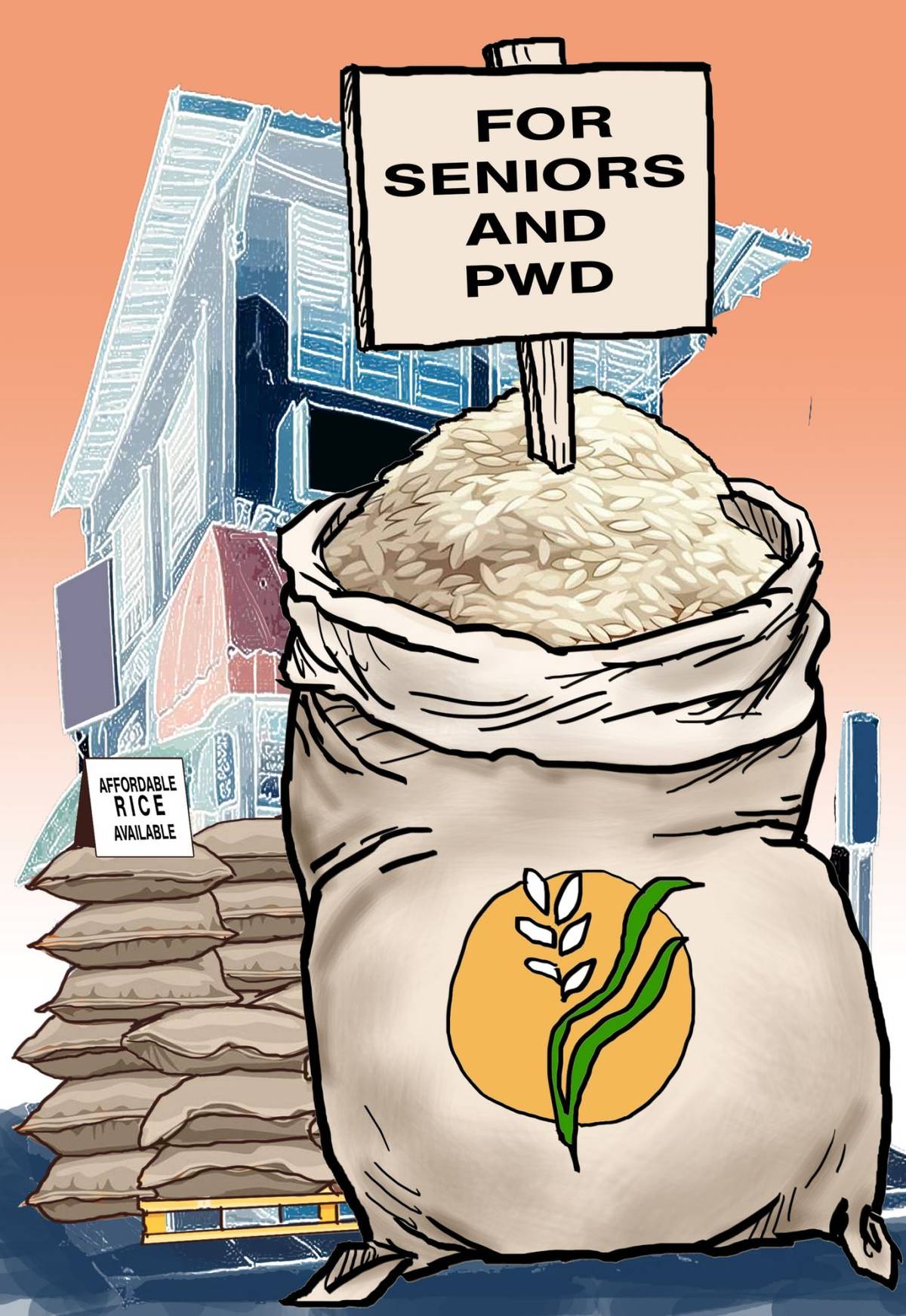
These are simple questions that deserve clear answers.
There is nothing wrong with selling government rice through authorized channels. The problem arises when the rules governing its distribution are ignored or when supplies intended for specific beneficiaries are sold without proper accounting and authorization.
The grains regulating agency must explain how its offices handle rice allocations that remain unclaimed or unsold. It must also establish whether the reported transactions followed existing guidelines and whether the buyers were authorized to purchase the rice.
More importantly, the agency should check whether similar transactions are taking place in other offices. A practice that may seem harmless in one location could point to a much bigger problem if repeated elsewhere.
Government rice is not the personal property of anyone assigned to handle it. It is public stock meant to serve a public purpose.
The lesson is simple: Every sack must be accounted for, every sale must have proper documentation and every beneficiary must receive what is intended for them.
The government should not wait for more complaints before looking into the matter. Public trust, like the rice supply itself, must be protected from waste, misuse and possible abuse.
After all, rice meant for people in need should never become an opportunity for an unauthorized business.
The agency has been here before. Not long ago, more than a hundred of its officials were suspended over rice stocks that went to favored traders, and the case is still pending.