
Bishop urges climate leaders to put poor, future generations first
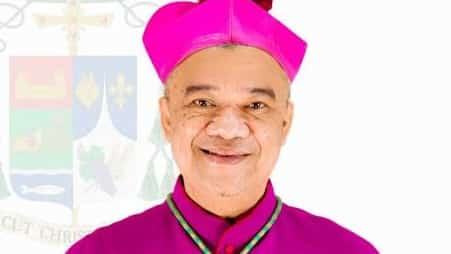
Caritas Philippines President Bishop Gerardo Alminaza has urged world leaders to consider the impact of energy policies on poor communities and future generations as negotiations continue at the 31st United Nations Climate Change Conference (COP31) in Antalya, Türkiye.
Speaking during the conference, held from Nov. 9 to 20, the bishop of San Carlos, Negros Occidental, stressed that climate decisions must prioritize vulnerable communities and environmental protection over short-term economic gains.
“As decisions are made here in Antalya, let us remember the three empty chairs often absent in negotiation tables: the poor, our common home, and the future generation,” stated the prelate.
“Are their voices present in these negotiations? Are we protecting their future or sacrificing it for short-term gains?” he pointed out.
Alminaza said bishops' conferences and federations across the Global South have been advocating for a just energy transition that moves away from fossil fuels while expanding renewable energy investments.
“This means decisively moving away from coal, oil, fossil, gas while investing in transformative renewable energy that serves communities, protects livelihoods and respects human dignity,” he said.
Citing the late Pope Francis' environmental encyclical Laudato Si', Alminaza emphasized the connection between environmental degradation and poverty.
“The cry of the earth and the cry of the poor cannot be separated,” stressed Alminaza.
He also raised concerns about the impact of energy development on fishing communities and Indigenous peoples whose livelihoods depend on marine resources.
“For fishing communities and indigenous peoples, the sea is a source of food, livelihood, cultural heritage, and life itself,” he said.
“Yet, they are often expected to bear environmental risks in the guise of development without receiving its promised benefits,” he lamented.
Alminaza cited Palawan as an example, questioning why communities continue to face high electricity costs despite decades of fossil gas extraction in the province's waters.
“Fossil gas has been extracted from its waters for decades. Yet the province continues to struggle, as we have heard, with costly electricity,” said Alminaza.
“Who benefits from its development? Who bears its burdens? And who will answer when the damage becomes irreversible?” asked the prelate.