
Xiaomi expands smart home lineup in Phl
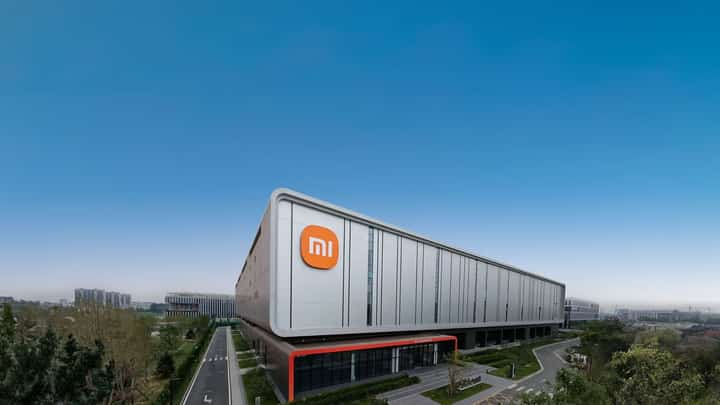
Xiaomi is expanding its Philippine product lineup beyond smartphones as it builds a global ecosystem spanning smart home appliances, connected devices and electric vehicles.
The Chinese technology company has introduced new televisions and washing machines in the Philippines as part of its push to connect household appliances through a unified digital platform.
Among its latest local offerings are the Xiaomi TV S Mini LED Series and Mijia washing machines, which form part of the company's broader “Human × Car × Home” strategy linking personal devices, transportation and living spaces.
Xiaomi is also preparing to bring its Xiaomi 18 Pro Series to the Philippine market later this month, with pricing and availability details expected to be announced through its official channels.
Beyond the local market, Xiaomi is expanding its presence in smart home technology through Mijia, its appliance brand offering more than 2,000 products across over 130 categories.
These include air care products, robot vacuum cleaners and laundry machines, which can be managed through the Xiaomi Home application.
In September 2026, Mijia began a broader rollout across Europe, extending the company's smart home business beyond its established markets.
Building a connected ecosystem
Xiaomi's expansion is supported by its consumer artificial intelligence of things (AIoT) platform, which connects compatible devices and allows them to coordinate household functions.
By the end of the second quarter of 2026, the company had more than 1.1 billion connected AIoT devices worldwide, excluding smartphones, tablets and laptops.
Its ecosystem served more than 175 million users and households, while 24.6 million users owned at least five connected devices. The Xiaomi Home application recorded 124.1 million monthly active users.
With user authorization, compatible devices can automate household routines, including adjusting air purifiers, lighting and climate controls based on users' schedules or locations.
Electric vehicle ambitions
Beyond consumer electronics, Xiaomi is also building its automotive business through Xiaomi Auto.
Since deliveries of its SU7 electric vehicle began in April 2024, the company had surpassed 800,000 vehicle deliveries as of 7 September 2026.
Xiaomi is preparing to enter the European automotive market in 2027, having signed memoranda of understanding with eight German automotive dealer groups to support its planned retail and service network.
The automotive venture forms part of the company's effort to connect mobility with its existing smartphone and smart home businesses.
Competing in the premium smartphone market
While expanding into other industries, Xiaomi continues to invest in its smartphone business, particularly the premium segment.
Counterpoint Research data cited by the company showed that smartphones priced above $600 accounted for 29 percent of global smartphone sales in the first half of 2026, up from 20 percent four years earlier.
Xiaomi has sought to capture demand through improvements in mobile imaging, design and device functionality.
The company introduced its Xiaomi 17 Series in February 2026, alongside the Leica Leitzphone powered by Xiaomi, described as Leica's first internationally available phone co-created with Xiaomi.
It also reported that its Xiaomi 18 Fold recorded first-sale volumes 300 percent higher than its previous-generation large-format foldable following its September launch.