
Micro-dramas
The micro-drama emerged in China ‘in 2018, then underwent explosive growth during the pandemic.’
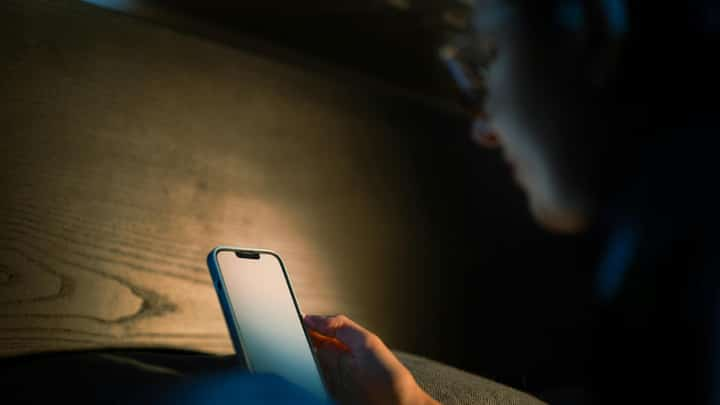
Fast-paced micro-dramas viewed on the smartphone’s native vertical 9:16 format are poised to be the defining entertainment form of our present days.
In case you still love Netflix, micro-dramas are formally distinguished by their “fast-paced storytelling and plentiful twists, with much of the plot conveyed by dialogue or voice-over — an explosion of events and verbs, comparable to a comic strip,” says an expert.
Anyway, these trendy, algorithm-driven micro-dramas are definitely hooking Filipinos of all ages and genders, striking enough for a news report to say that a 90-second micro-drama episode of billionaires and heiresses is “for a generation used to short-form video feeds… the perfect quick snack.”
Such hugely popular and addicting entertainment snacks also come in various looks.
Initially, these snacks came out in the form of the pioneering translated Chinese micro-dramas.
Currently, however, 10 or so mobile streaming apps put out more western-looking shorts with either real or AI-generated western-looking casts. And, more recently, the micro-drama boom was adapted locally sporting definite Filipino entertainment casts and tastes.
First, a bit of the history of this phenomenal cultural form.
The micro-drama emerged in China “in 2018, then underwent explosive growth during the pandemic. Today, in China, it constitutes an industry worth approximately $14 billion.”
An example of a hit Chinese micro-drama that recently hooked Filipino viewers was “The Heiress Who Won With Brains” and its main character Linda Walker, played by Chinese actress Zhang YingFei. It was so popular Zhang even visited the Philippines.
Anyway, countless Chinese private online drama production companies churn out hundreds of thousands of micro-drama content yearly that many mainland Chinese “redubbed Hengdian, China’s Hollywood — the vast film and TV-production complex in Zhejiang — as ‘Verticaldian.’”
But despite its dizzying success, Chinese micro-dramas “have been the subject of much anxious editorializing in China, with critics accusing them of causing ‘brain rot,’ linking them to diminished attention spans and a decline in mental well-being…,” reports film critic Mao Jian in the New Left Review.
Still, despite those misgivings, the micro-drama has transformed China’s mass-cultural landscape and is on the verge of transforming the world as well.
Some say micro-dramas are a potent form of Chinese “soft power,” but to win over viewers, worldwide streaming apps like ReelShort, DramaBox and ShortTV specifically hire Caucasian actors or increasingly use AI-generated Caucasian-looking actors while retaining the same fiercely emotional storytelling of the Chinese micro-dramas.
Surprisingly, these short compelling stories click with Filipinos long fixated with what a news site dubbed as “teleserye emotions.”
What sort are these stories then? Data forensics company The Nerve says “the stories start off with humiliation, move to revelation, and pay off within a short mobile session. Familiar melodrama makes the compressed format easy to enter. Most of these stories start with a major injustice, pivot when a major secret comes to light, and end with payback, personal validation, or true love.”
It’s admittedly crude storytelling. But there’s a somewhat positive catch.
Critic Mao Jian says “the significance of these works does not lie in any inherent potency they may possess, let alone in their aesthetic innovations. On the contrary, their substance may be crude, their plots cheap, their values unstable, they may even help to reproduce fantasies of money, deference, violence. and hierarchy.
“Yet precisely because they are crude, they lay bare the most basic nervous reflexes of contemporary society.”
“People want to change their situation, to see retribution, to make the body useful again; despite every failure, they still want to ‘stand up, rush out, try again.’”