
How one generation carries Filipino shoemaking forward
A family legacy dating back to the 19th century shows how traditional Filipino shoemaking continues to find new life through younger hands.
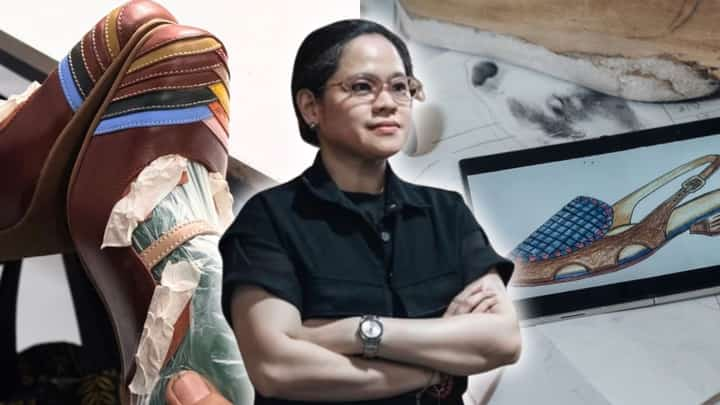
For many family businesses, the greatest challenge is not building a legacy but finding someone willing to continue it.
Unyx Sta. Ana knows that reality well. Her family’s shoemaking tradition dates back to 1887, spanning five generations. But when her father was involved in an accident, the future of that legacy suddenly became uncertain.
Instead of simply inheriting the business, Sta. Ana chose a different path: creating opportunities for younger designers, artisans and shoemakers to help shape its next chapter.
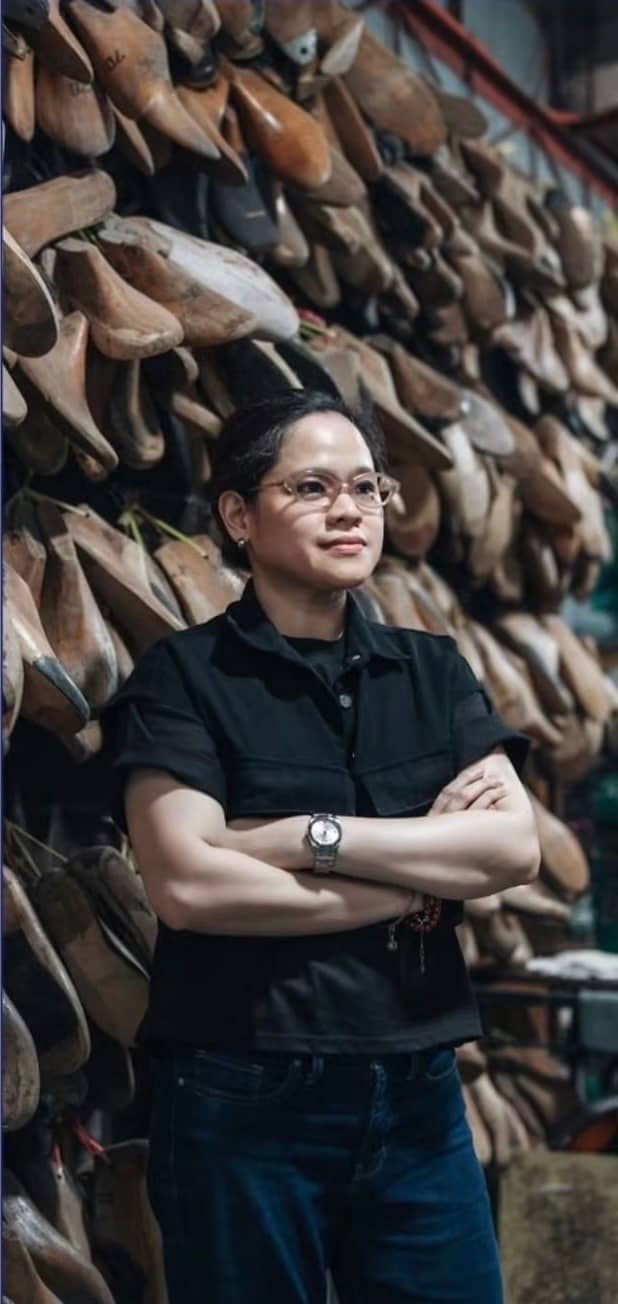
FIFTH-GENERATION Marikina shoemaker Unyx Sta. Ana.
“Our family has been making shoes since 1887,” Sta. Ana told DAILY TRIBUNE. “Rather than just continuing the family business, we wanted to create a space where people interested in shoemaking could journey with us.”
Her approach reflects a broader challenge facing many traditional crafts in the Philippines — how to preserve decades of knowledge while making them relevant to a new generation.
Working closely with Marikina artisans has only strengthened her appreciation for the creativity behind Filipino shoemaking.
“Filipinos are resilient and resourceful. We always find ways to make things possible,” she said. “We collaborate from design to production, and that’s where you really see the creativity of our shoemakers.”
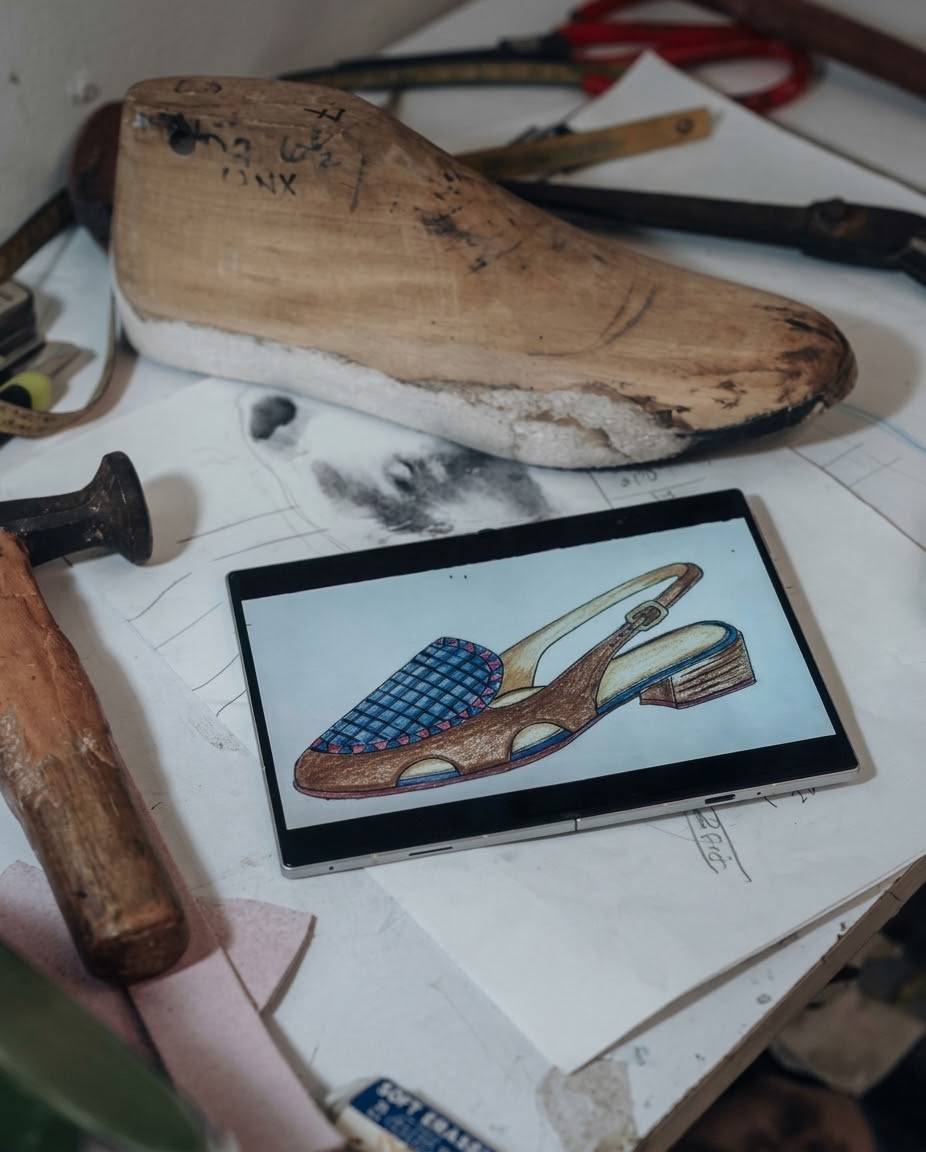
LOCAL shoemaking continues to find relevance as younger consumers seek products with stories, purpose, and lasting value.
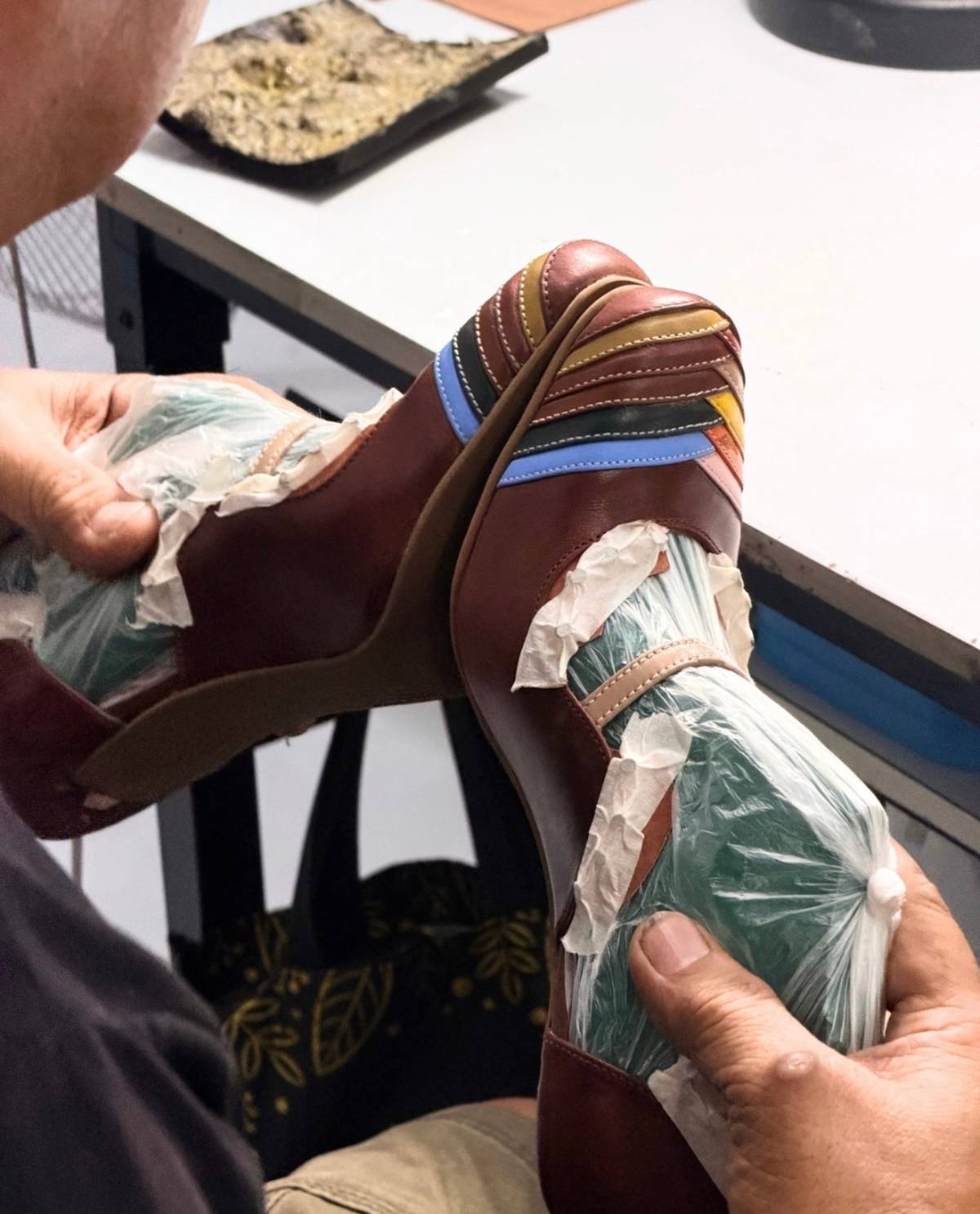
FILIPINO shoemakers combine traditional skills and creative ideas to give locally made footwear its own character.
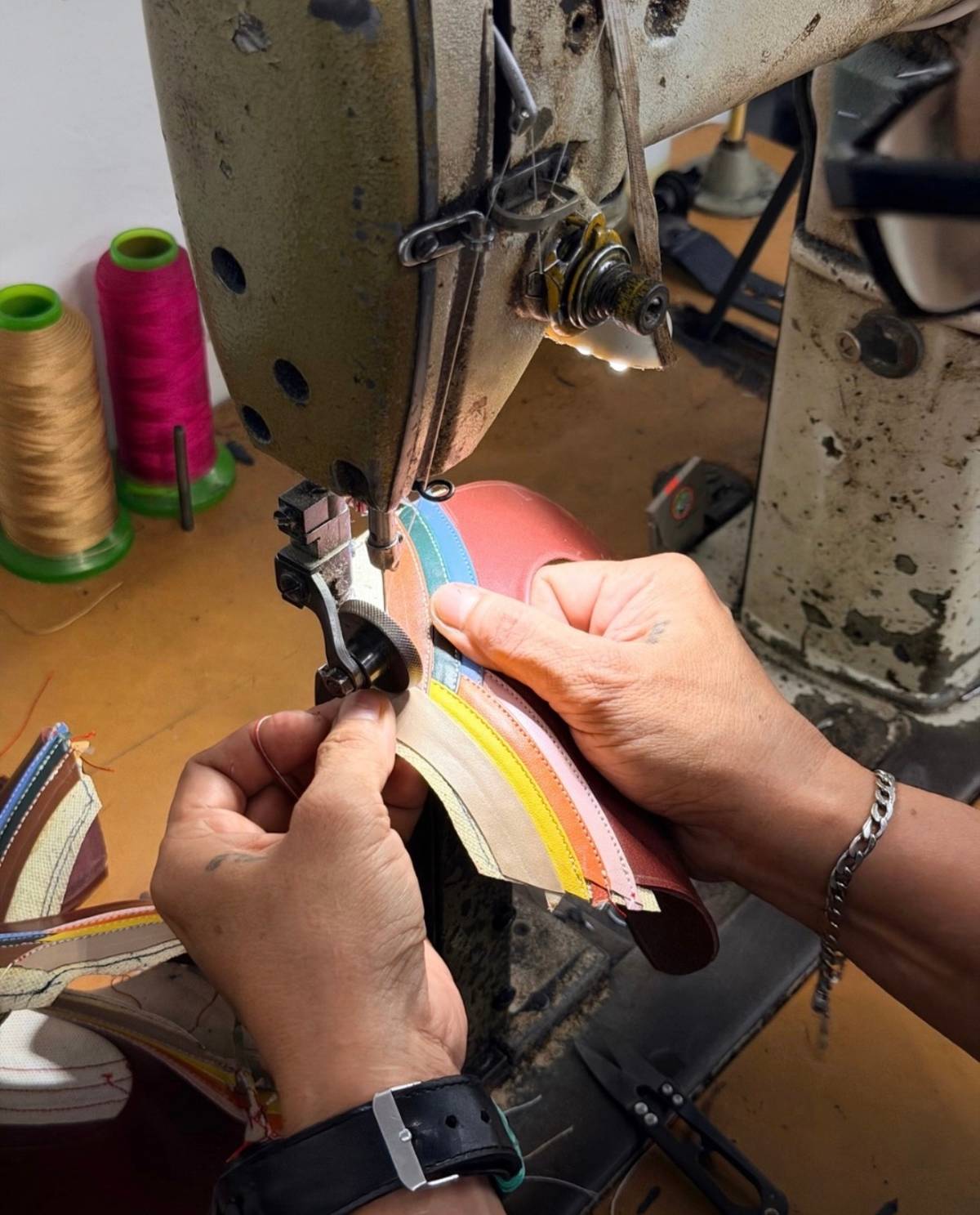
EVERY handmade pair reflects the knowledge, creativity, and dedication passed down through generations of Filipino shoemakers.
Unlike mass production, she believes local shoemaking allows artisans to experiment with materials and techniques, giving every pair its own character while preserving skills passed down through generations.
Sta. Ana also sees changing attitudes among younger consumers, who increasingly value products with history and purpose.
“I think the younger generation is looking for real stories, something they can connect to,” she said. “They’re looking for something they can carry with them for years.”
Sta. Ana adds that the future of Filipino shoemaking is not simply about preserving tradition but about ensuring that every generation finds its own way to keep that tradition alive.