
Whose land, whose future? Farmers challenge Marcos policies, Pax Silica


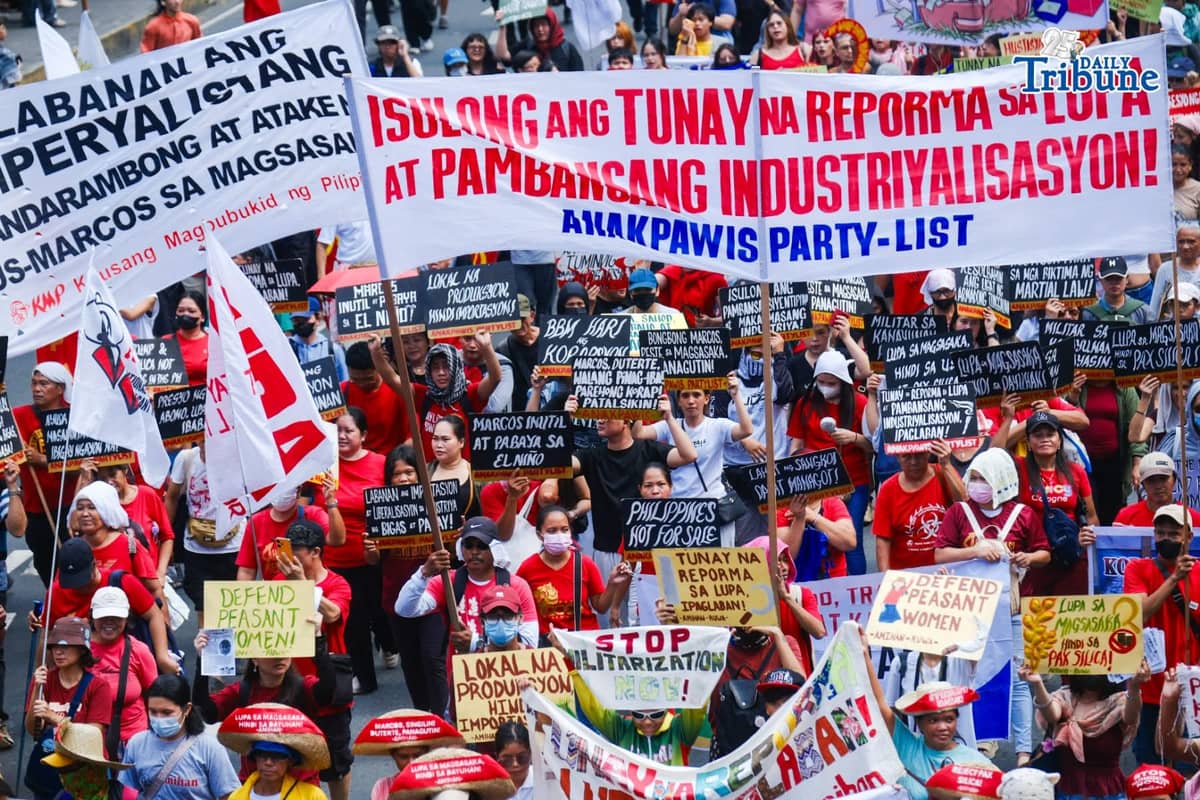
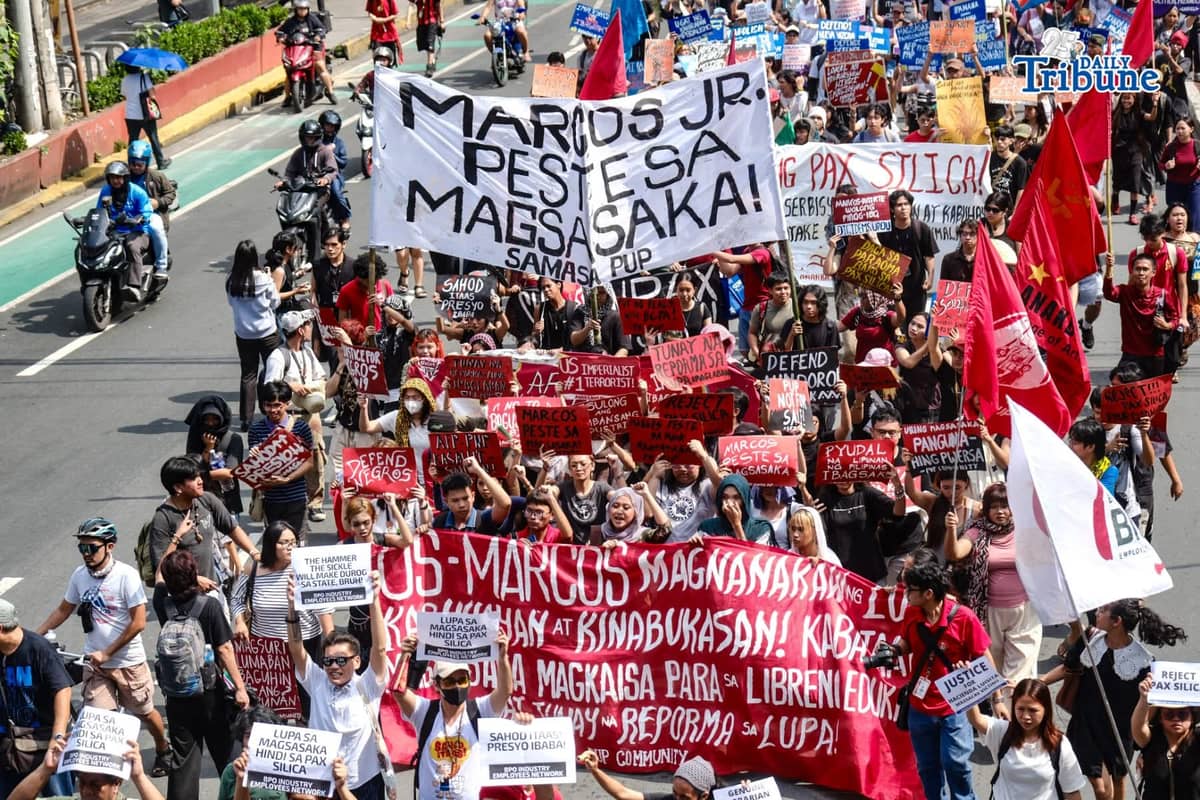
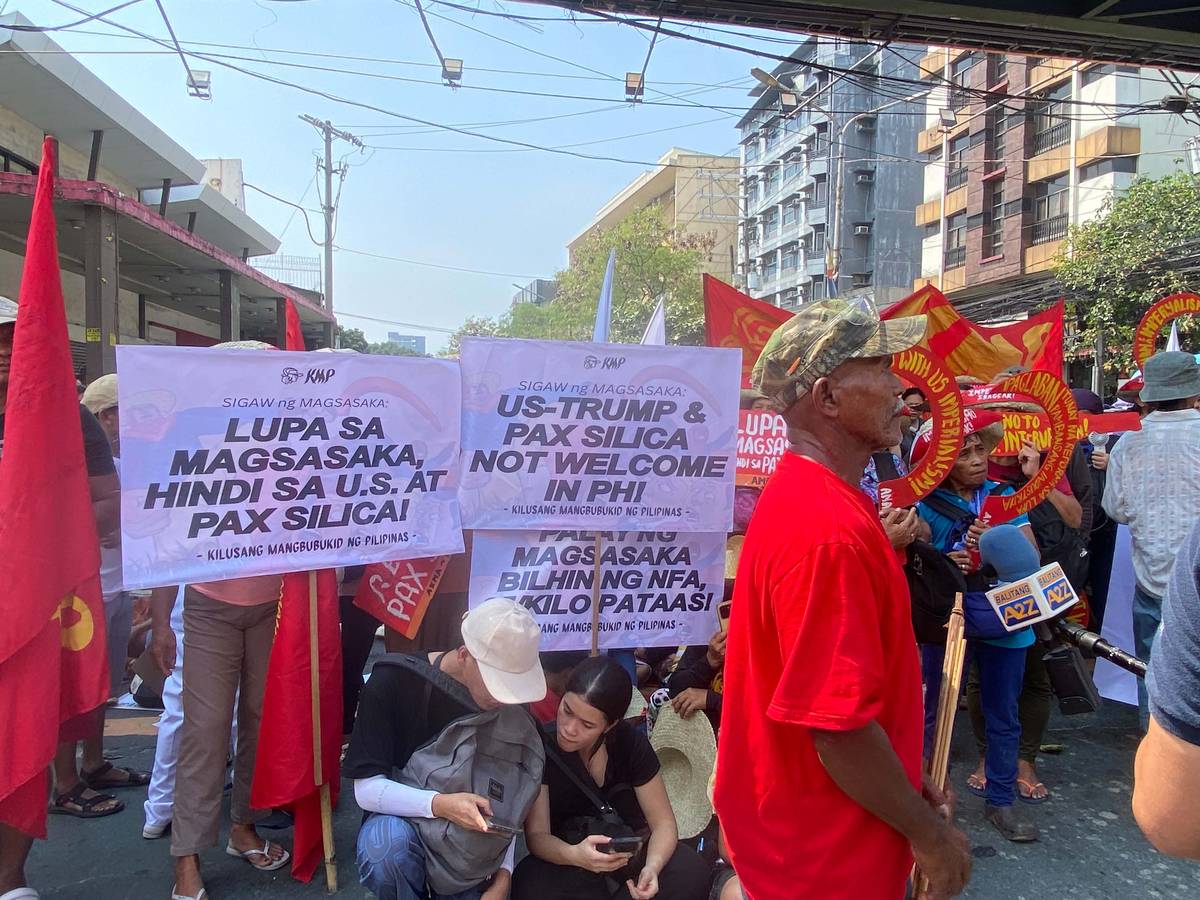
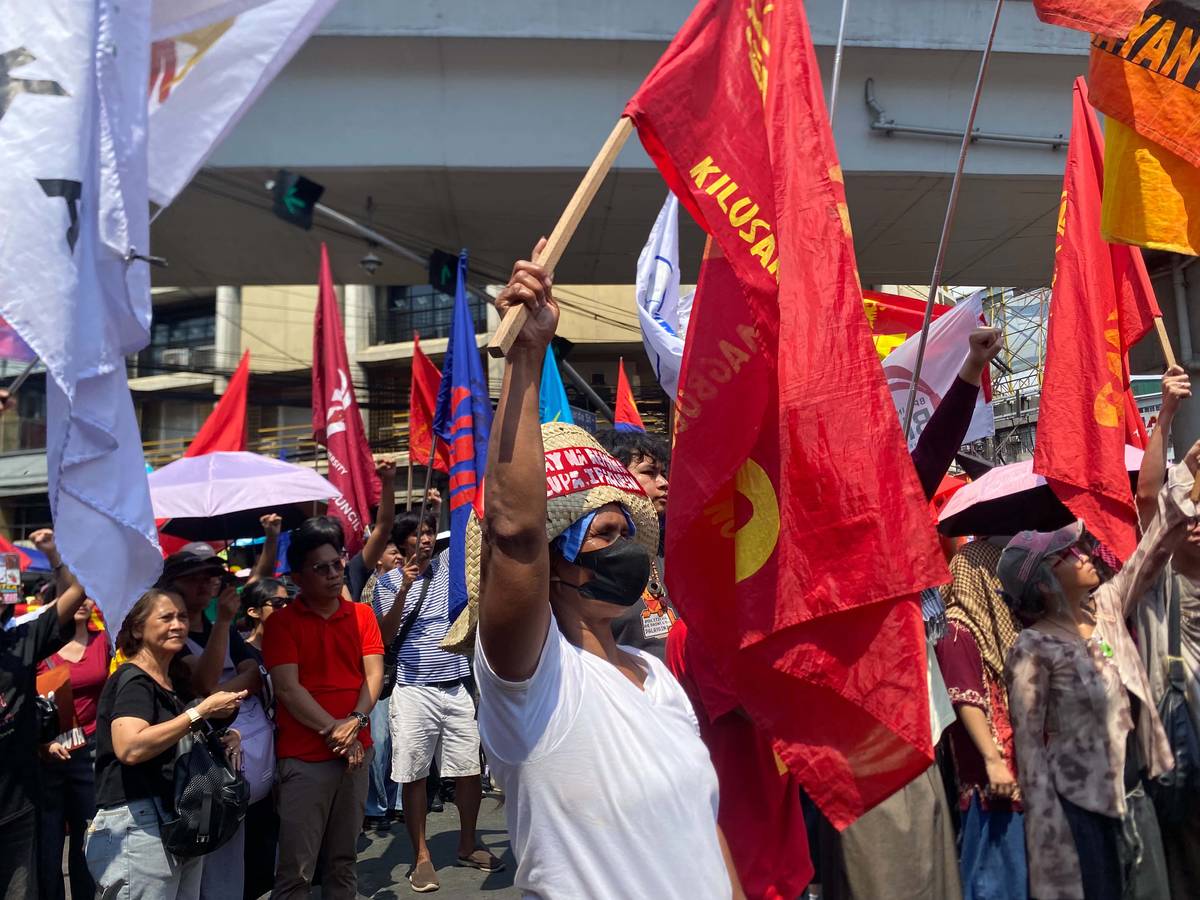
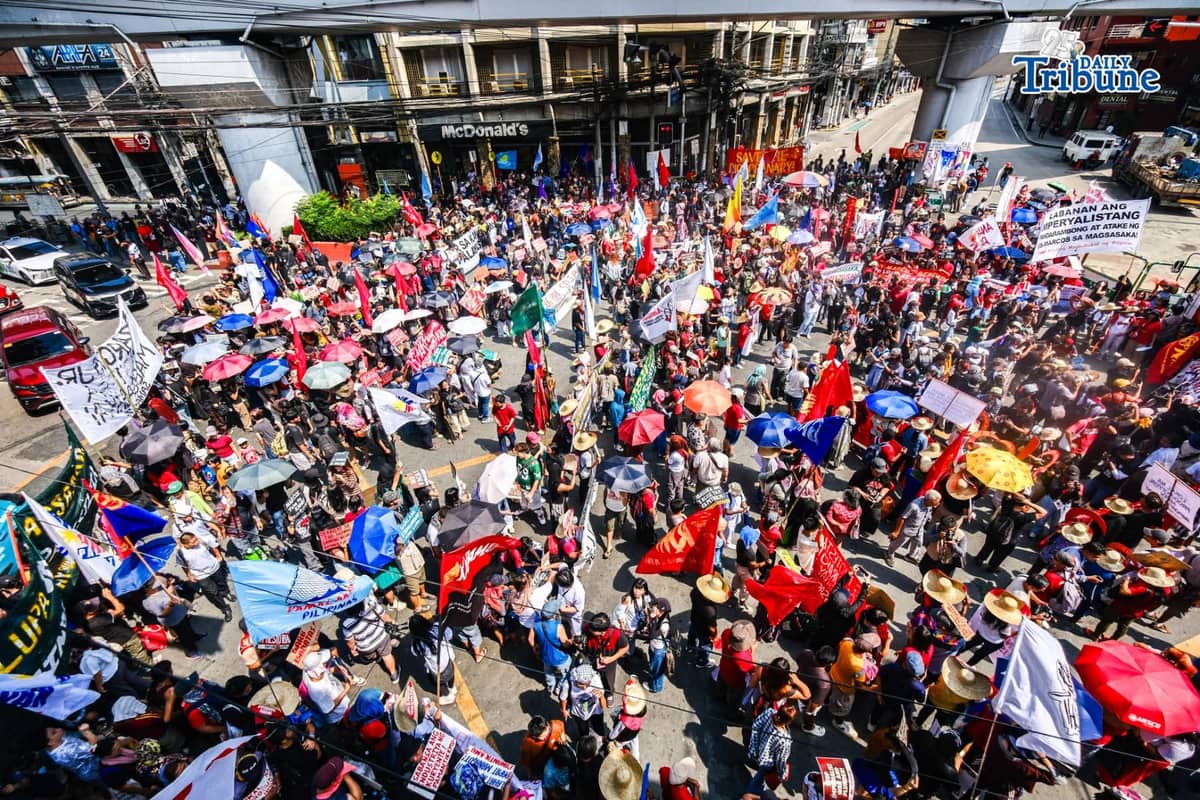
Farmers and peasants’ rights advocates from different regions marched from the University of Santo Tomas to Mendiola on 21 October to commemorate National Peasant Month.
Yummie Dingding
In an interview with DAILY TRIBUNE, Kilusang Magbubukid ng Pilipinas (KMP) Chairperson Danilo Ramos discussed the essence of honoring Peasant Day, sharing that it represents a week-long movement of farmers, fisherfolk, agricultural workers, peasant women, and peasants’ rights advocates.
Expressing their general advocacy, Ramos emphasized the importance of resistance against systemic neglect.
“Ang pangkalahatang panawagan ay ‘Tunay na reporma sa lupa, ipaglaban. Labanan ang atake at pandarambong ng rehimeng US-Marcos Jr. sa magsasaka at taumbayan,’” he said.
(The general call is to “Fight for genuine land reform. Resist the attacks and plunder of the US-Marcos Jr. regime against farmers and the people.”)
Sharing his personal sentiment, the KMP chair stated that Ferdinand Marcos Jr. is a farmer’s pest.
“Si Marcos Jr. ibinenta ang ating kalupaan, karagatan, pangisdaan, at kabundukan sa mga dayuhan,” he added.
(Marcos Jr. sold our lands, seas, fishing grounds and mountains to foreigners.)
Ramos cited the national policy framework for the Critical Minerals Industry and reorganized the Mining Industry Coordinating Council (MICC).
“Pinapayagan ang mga dayuhan na i-lease ang ating mga lupa, ito yung Republic Act 12252 o Land Lease Act,” he noted.
(Foreigners are allowed to lease our lands under Republic Act 12252, or the Land Lease Act.)
Republic Act No. 12252 was signed into law on 3 September 2025, amending Republic Act No. 7652, the Investors’ Lease Act, to extend the maximum allowable aggregate lease period for private lands by qualified foreign investors from 50 years to up to 99 years.
“Sa esensya, hindi ‘yun lease, [kundi] pag-aari,” Ramos said.
(In essence, that is not a lease but ownership.)
“Siyamnapu’t siyam na taon, ang buhay ng mga magsasaka ay 60 to 70 years old. Kaya buong panahon, malakas namin ‘yun tinututulan,” he added.
(Ninety-nine years, while farmers live only 60 to 70 years. That is why we have strongly opposed it all this time.)
Yummie Dingding
Yummie Dingding
Yummie Dingding
Opposition to the Pax Silica Project and Land Rights
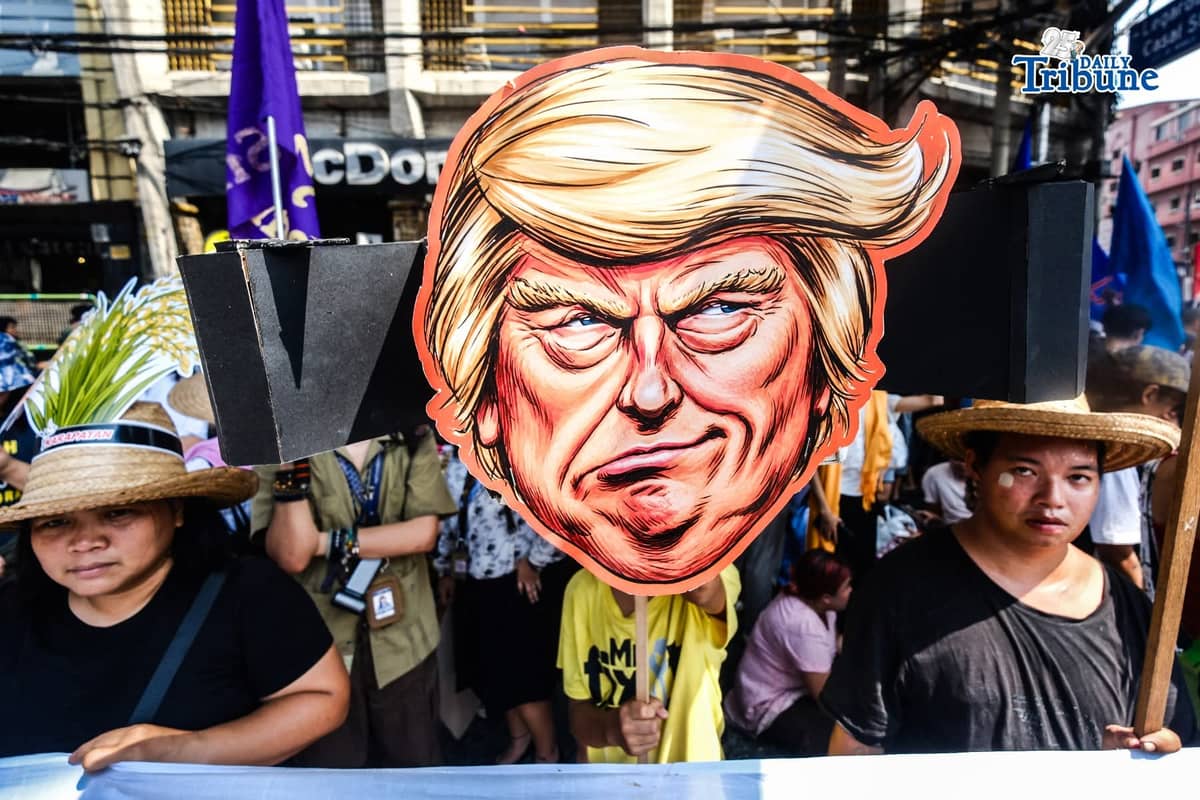
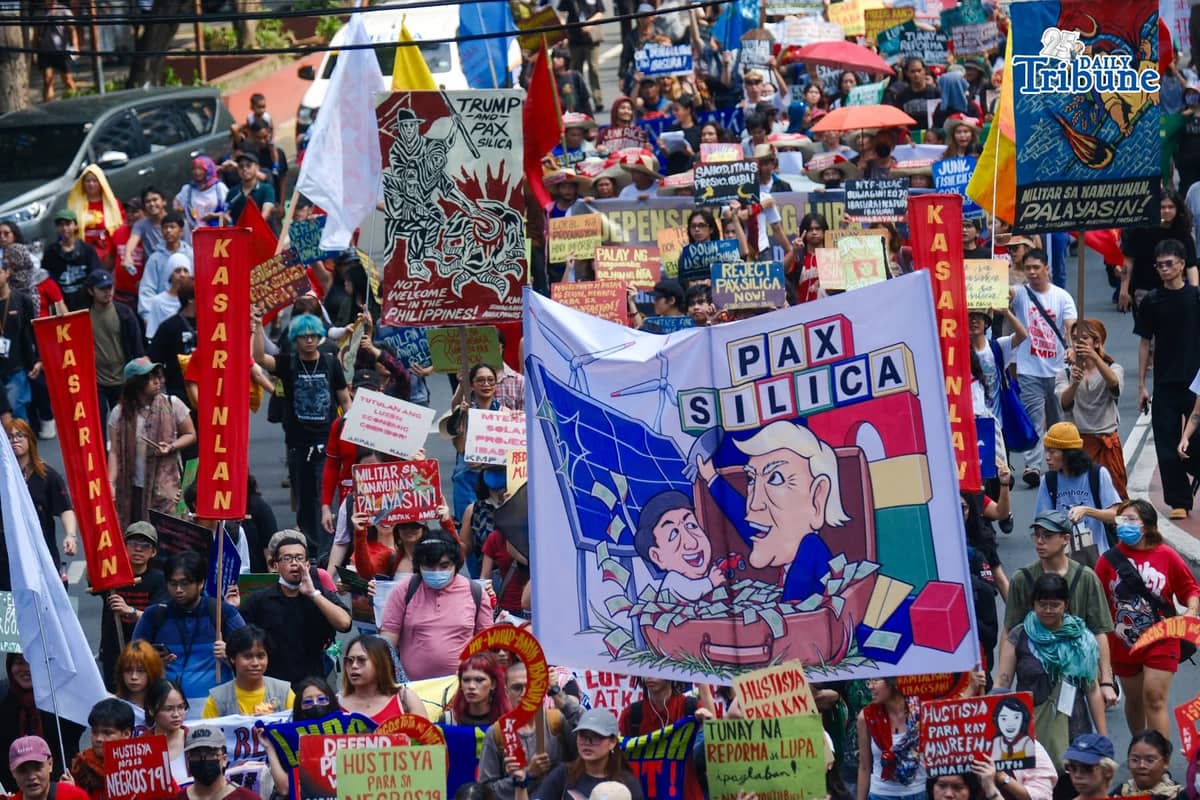
The KMP chairperson emphasized his calls that the land should belong to farmers rather than the Pax Silica project, a U.S.-led international initiative launched to build secure, resilient supply chains for artificial intelligence, semiconductors, and critical minerals among allied nations.
The project has raised major concerns among farmers and Filipino citizens alike regarding the impact on their livelihoods.
“Lupa sa magsasaka, hindi sa Pax Silica. Lupa sa katutubong mamamayan, hindi sa dayuhan,” Ramos emphasized.
(Land for farmers, not for Pax Silica. Land for Indigenous peoples, not for foreigners.)
Ramos detailed the deep effects of the Pax Silica project on farmers and peasants.
“Una sa lahat, land-grabbing, palalayasin ang libong magsasaka at katutubong Aeta sa Tarlac. Pangalawa, wala silang tirahan, walang pagkukuhanan ng pagkain,” he said.
(First of all, land grabbing. Thousands of farmers and Indigenous Aeta people in Tarlac will be displaced. Second, they will have no homes and no source of food.)
He further stressed the massive water requirements of the project relative to the population lacking access to clean water.
"60 to 90 million liters a day ang kailangang tubig, malaking kulang. Sabi ni USec David ng DENR, 40 million Filipinos ang di nakakainom ng sapat at malinis na tubig,” he added.
(The project requires 60 million to 90 million liters of water a day, creating a major shortfall. According to DENR Undersecretary David, 40 million Filipinos do not have access to sufficient clean drinking water.)
State Harassment, Militarization, and Red-Tagging
Addressing the issue of state security, Ramos shared that the government fails to distinguish between armed and unarmed individuals.
“Pinakita ‘yan sa Negros 19 massacre sa Toboso. ‘Yung sampu ay combatants, ang siyam ay mga researcher at sibilyan pero pinatay nila,” Ramos said.
(That was demonstrated in the Negros 19 massacre in Toboso. Ten were combatants, while nine were researchers and civilians, but they were killed.)
He explained that even though ten of the Negros 19 were combatants, under International Humanitarian Law, individuals lacking the capacity to fight should be captured and processed through legal charges rather than killed.
Arianna Mercado
Ramos also recounted personal and organizational experiences of harassment. Peasant leader Isabelo Adviento was arrested two years ago and still faces charges following his release.
Ramos shared his own first-hand encounter on 3 January 2024, when men on motorcycles wearing bonnets and helmets searched for him.
“‘Terorista’ raw,” he noted.
(They called me a “terrorist.”)
On 12 September 2026, six unidentified individuals believed to be associated with the National Task Force to End Local Communist Armed Conflict (NTF-ELCAC) visited their barangay hall looking for him. Ramos added that the home of their secretary-general, Ronnie Manalo, was raided years ago, leading to charges that were eventually dismissed.
In response, Ramos called for an end to red-tagging and terrorist-labeling.
“Ang aming panawagan ay ibasura ang Executive Order No. 70, NTF-ELCAC buwagin, Anti-Terrorism Law ibasura,” he stated.
(Our call is to repeal Executive Order No. 70, abolish the NTF-ELCAC and repeal the Anti-Terrorism Law.)
Reaffirming their core mission, he concluded, “Marangal ang aming ipinaglalaban, lupa para sa magsasaka, palakasin ang lokal na produksyon ng pagkain, at higit sa lahat, ang tunay na reporma sa lupa.”
(Our struggle is a noble one: land for farmers, strengthening local food production and, above all, genuine land reform.)
Arianna Mercado
Yummie Dingding