
Poor air quality
The call for clean air is not merely an environmental plea. It is a demand for a life enriched with hope.

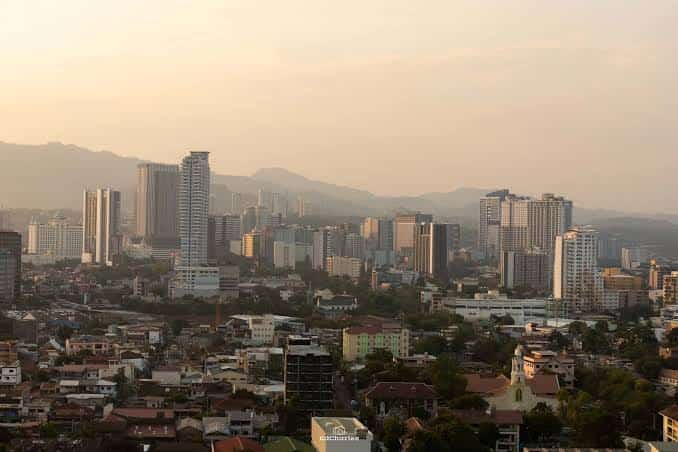
Metro Cebu faces an air quality crisis, and it is troubling to see it worsen.
No, external factors like the Indonesian forest fires did not cause it, as the Environmental Management Bureau Central Visayas (EMB-7) explained. Local emissions from vehicles and industrial activities are the main cause.
Classes at all levels in Cebu were suspended in public and private schools on Monday after the city’s Air Quality Index (AQI) peaked at 180, classified as “very unhealthy.” This step was necessary to protect vulnerable populations, especially those with preexisting health conditions.
However, while suspending classes is a commendable immediate response, it cannot be our only strategy.
We often feel helpless as pollution levels rise. The EMB-7 findings prove that we cannot shift the blame to distant wildfires. Instead, we must confront the pressing reality that much of this pollution comes from our day-to-day activities.
We see motor vehicles spewing their exhaust daily, factories emitting harmful particles, and construction sites generating dust — all of which contribute to the deteriorating air quality we are experiencing. This local issue requires local solutions.
Many of us still rely heavily on private vehicles. I have been suggesting alternatives, such as public transportation, cycling, or walking when possible.
Local governments should consider stricter vehicle emissions standards, promote cleaner public transportation options, and develop green spaces that can help absorb pollutants.
Weather conditions significantly impact pollution levels, particularly through a phenomenon known as “temperature trapping.” Certain weather patterns can worsen air pollution by preventing it from dispersing as it normally would.
While we cannot control the weather, we can manage our emissions. Investing in safe, reliable public transport can reduce the number of private vehicles on the road.
We should raise public awareness about the health risks associated with poor air quality. Fine particulate matter (PM2.5) can penetrate deep into the lungs and aggravate respiratory and cardiovascular conditions. This information is vital, especially for vulnerable groups, including children and older people, who are most at risk.
Given this alarming air quality situation, we should advocate for cleaner industries, supported by policies that prioritize sustainability and environmentally friendly practices. We do so not solely for our personal health, but for the well-being of the entire community. We share the same environment and inhale the same air.
Both individual and collective actions can effectively address climate change, despite our vulnerability to natural weather patterns. Embracing clean, sustainable practices and working together to maintain a pollutant-free environment will enable people and nature to coexist harmoniously.
The call for clean air is not merely an environmental plea. It is a demand for a life enriched with hope. Breathe with purpose, and make sure that every inhalation brings in not just oxygen but the promise of healthier, cleaner air.
(You may send comments and reactions to feedback032020@gmail.com or text 0931-1057135.)