
Tribune tapped as Google model
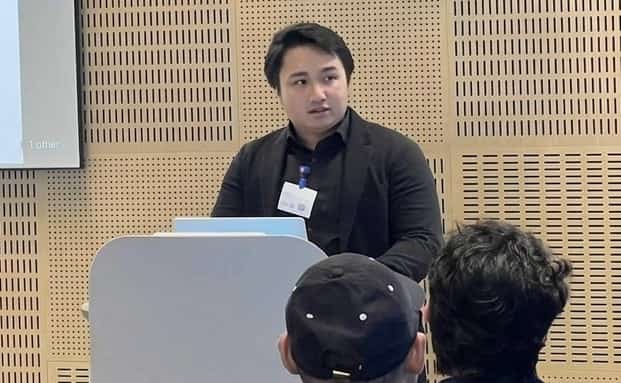
DAILY TRIBUNE Online head Carl Magadia delivers his speech during the graduation ceremony of Project Sigma Philippines: Gen Z for News at the Google Philippines office. The program brings together participating Philippine media organizations, including DAILY TRIBUNE, to explore new ways of engaging younger audiences and tailoring newsroom content to better reach and retain Gen Z readers.
Photograph by Yuko Shimomura for DAILY TRIBUNE
The DAILY TRIBUNE was among the featured case studies in Google’s global digital news initiative, highlighting its online show Hot Patatas and its shift from repurposed livestream clips to content designed specifically for Gen Z audiences.
Participating Philippine media organizations, including the DAILY TRIBUNE, gathered on Thursday, 18 September, for the graduation ceremony of Project Sigma Philippines: Gen Z for News, a 10-week initiative led by Google and digital solutions company AnyMind Group Inc. to help local news publishers develop new ways to engage younger audiences.
Previously, the show’s two to five-minute horizontal clips recorded low retention and minimal engagement, with Gen Z viewers accounting for less than 10 percent of viewership.
Through Project Sigma, Hot Patatas became a stand-alone vertical miniseries for YouTube Shorts, featuring dedicated Gen Z hosts, 90-second scripts, mobile-first shooting, dynamic edits, kinetic subtitles, meme pop-ups, pattern interrupts, and optimized Taglish and English titles.
The changes resulted in a 161-percent increase in average views per video and more than 200-percent growth in average view duration.
DAILY TRIBUNE Online head Carl Magadia said Project Sigma pushed the newsroom to rethink how it reaches younger audiences and to challenge established routines.
“We stopped asking, ‘How do we put our existing content on this platform?’ and started asking, ‘What kind of content belongs on this platform, and what does this audience expect from us when they find us here?’” Magadia said.
He said the project’s lessons should extend beyond Hot Patatas, encouraging the newsroom to keep experimenting and learning as digital audiences evolve.
Launched in the Philippines as the third Southeast Asian market to host Project Sigma after Malaysia and Indonesia, the program brought together 10 Philippine news publishers to experiment with storytelling formats, audience strategies, distribution approaches, and business models aimed at reaching Gen Z, which numbers nearly 29 million Filipinos, or about a quarter of the country’s population.
Rather than a traditional training program, Project Sigma allows participating newsrooms to develop and test audience-specific experiments through an initial design thinking workshop and biweekly mentoring sessions with Google and AnyMind.
Key lessons
The program highlighted three key strategies for engaging Gen Z audiences: platform-native content, credibility balanced with relatability, and metadata optimization.
Publishers were encouraged to create fast-paced, vertical videos designed for mobile consumption rather than simply repurposing broadcast material. They also experimented with visual explainers and conversational formats to make complex news more accessible while maintaining journalistic authority.
Simple metadata adjustments, such as using benefit-driven titles and moving hashtags to video descriptions, also delivered gains without requiring major changes to production workflows.
Across the participating cohort, the program recorded more than 300-percent growth in audience engagement, a more than 100-percent lift in Gen Z viewership, and 165-percent average view growth following audience and format-specific optimizations.
For the DAILY TRIBUNE, the experience demonstrated the value of understanding how different audiences consume news and adapting its delivery without compromising its journalistic mission.
Google News partner manager Yos Kusama underscored the need for news organizations to remain open to new approaches as the media landscape evolves, noting that while “things have changed,” the “soul of journalism is still there.”
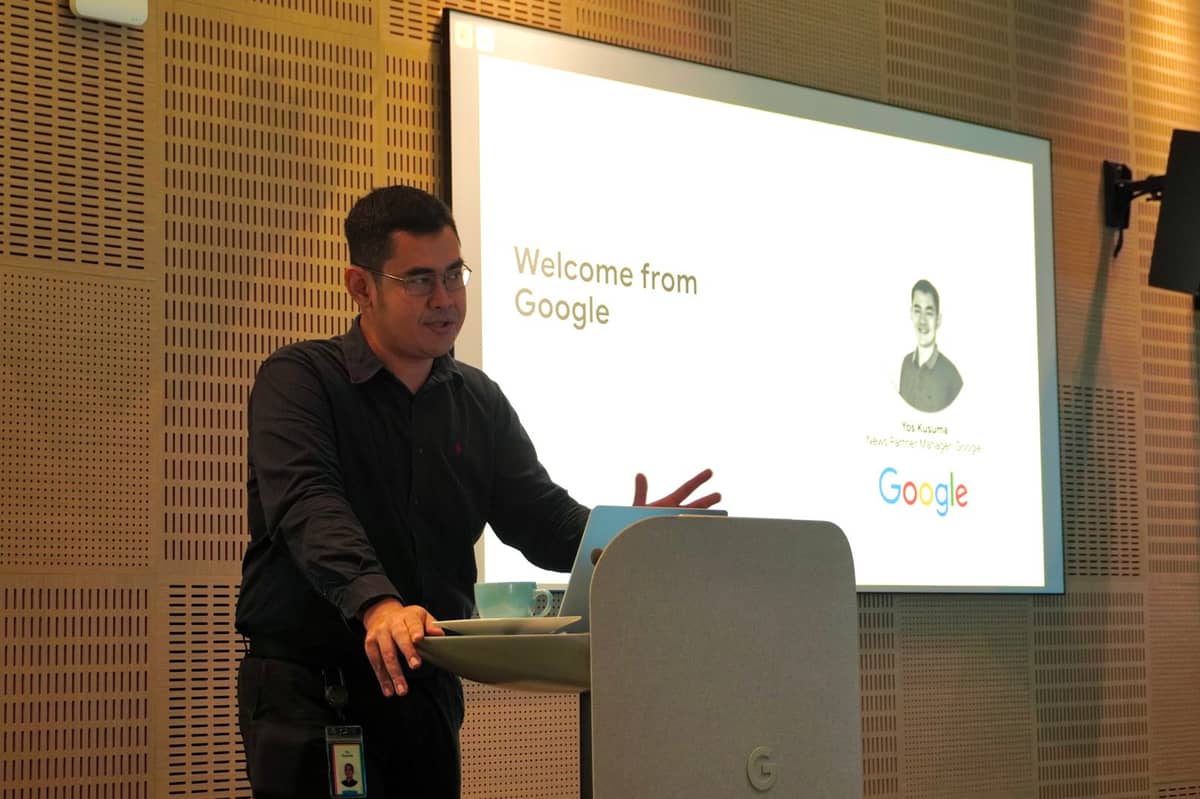
GOOGLE News Partner manager Yos Kusama delivers his opening remarks, stressing the importance of embracing new ideas as audience habits evolve.
Photograph by Yuko Shimomura for DAILY TRIBUNE
Project Sigma ultimately gave participating newsrooms a framework to test new ideas and better understand younger audiences, helping to ensure that journalism remains relevant across the platforms where the next generation gets its news.