
The secret to living younger: How daily habits shape your biological age


Have you ever seen someone in their 60s effortlessly running a marathon, while another person in their 50s struggles to climb a flight of stairs? It is easy to chalk this stark contrast up to good genes, but that is only part of the story. Increasingly, longevity research is shifting its focus away from our chronological age — the number of candles on our birthday cake — to our biological age, which measures how our bodies and minds actually perform.
“Biological or functional age reflects the body on the inside, or the way organs, tissues, and processes work, linked to metabolism, inflammation, and cellular repair,” explains Dr. Vipada Sae-Lao, a nutrition education and training expert. “Evidence increasingly shows that a person’s biological age can be significantly far from their actual age, in either direction, shaped by the choices they make in the years before.”
If the goal is not just to live long, but to live young, the science points to several everyday choices that can dramatically influence our biological age.
Eating smart to fight inflammation
Chronic low-grade inflammation can damage DNA and cellular function, increasing the risk of disease and hastening the aging process. A simple defense mechanism is an anti-inflammatory diet. Foods rich in color — like berries, tomatoes, broccoli and leafy greens — alongside nuts, seeds, olive oil and fatty fish help boost immune function. While these are staples of the Mediterranean diet, local dietary patterns offer similar benefits. A 2025 study of over 11,000 older Filipino adults found that a traditional Filipino diet centered on vegetables, fruits and healthy oils strongly supports healthy aging.
Protein also plays a critical role. Gradual muscle loss, known as sarcopenia, begins in our early 40s. Without adequate dietary protein to support muscles, organs and skin, the body is forced to break down its own tissues to source the amino acids it needs.
Recent studies also highlight Vitamin D for its ability to promote healthy cell growth, calm inflammation and clear damaged cells. Pairing Vitamin D-rich fish, like salmon or mackerel, with calcium from local staples like kangkong or talbos ng kamote is an excellent way to support bone health. Furthermore, nurturing the gut microbiome with fermented foods — such as yogurt, kefir, kimchi, burong mustasa and atsara — encourages microbial diversity and further lowers inflammation.
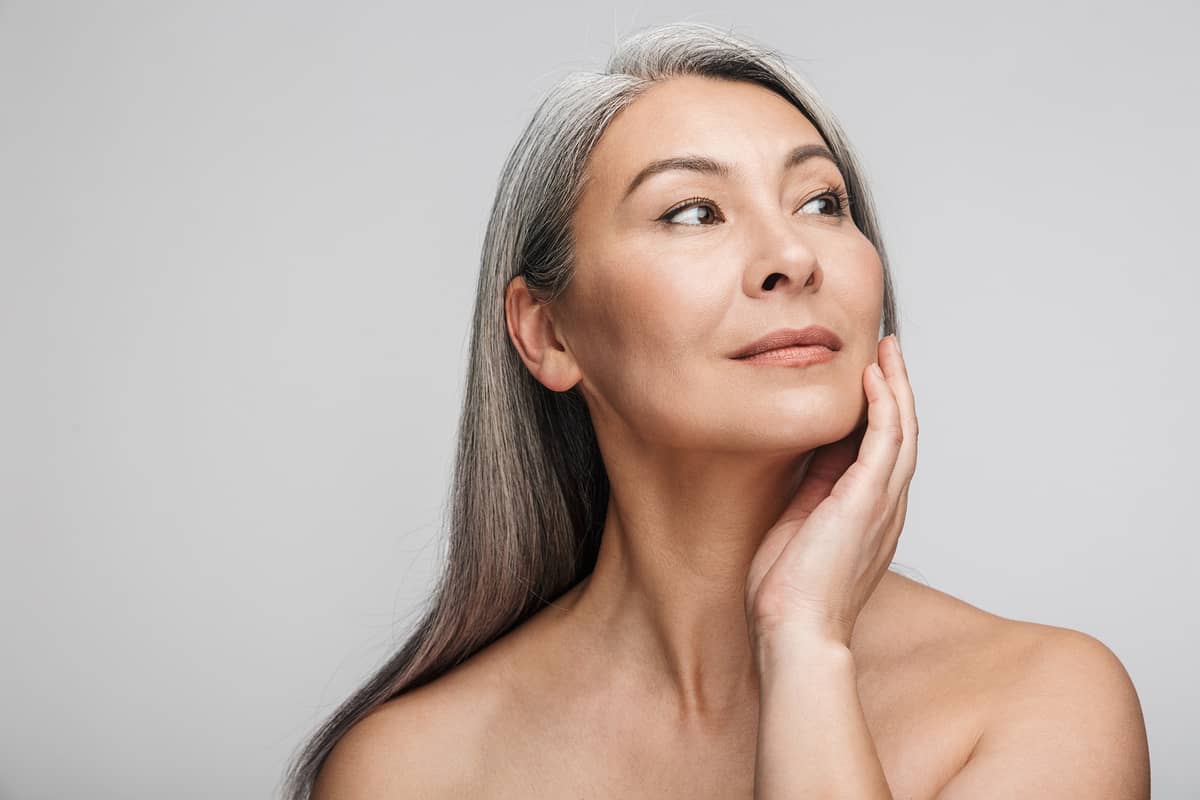
TAKE years off your biological age through daily habits.
Training the body and mind
Physical activity remains one of the most effective ways to protect heart health, enhance mood, and strengthen metabolism. Health experts recommend aiming for 150 minutes of moderate aerobic activity each week, alongside at least two days of strength training. High cardiorespiratory fitness, especially during middle age, is strongly linked to a lower risk of metabolic disorders.
Equally important is cognitive fitness. Activities that challenge the brain — such as learning a new skill, problem-solving and memory exercises — stimulate neural pathways and can shield against age-related decline. This mental resilience is further supported by genuine social connections, as prolonged loneliness has been shown to severely impair both mental and physical health.
Power of recovery
As the body ages, sleep architecture changes, often affecting rest quality.
Maintaining a regular sleep schedule and building habits that support deep sleep allow the body to properly repair and recover.
It is also crucial to pay attention to sleep disruptions; sleeping too much or too little can be a symptom of underlying issues — such as sleep apnea, gastrointestinal problems, depression, or menopause — that can accelerate the aging process if left unaddressed.
Leaving unhealthy habits behind
While adding positive habits is essential, eliminating harmful ones is equally vital.
A diet heavy in ultra-processed foods, excess sugar, artificial sweeteners and harmful preservatives can slowly degrade health, increasing the risk of chronic and cognitive diseases. Similarly, smoking and heavy alcohol consumption accelerate aging by attacking the body’s major organs and driving up systemic inflammation, which weakens the immune system.
Ultimately, our biological age is not entirely pre-determined. By adopting smarter lifestyle choices and protective daily habits, we give our bodies the tools to navigate the passing years with resilience — proving that small, deliberate choices can help us not just live longer, but live significantly better.