
DOJ subpoenas Padilla, chief of staff over obstruction complaint
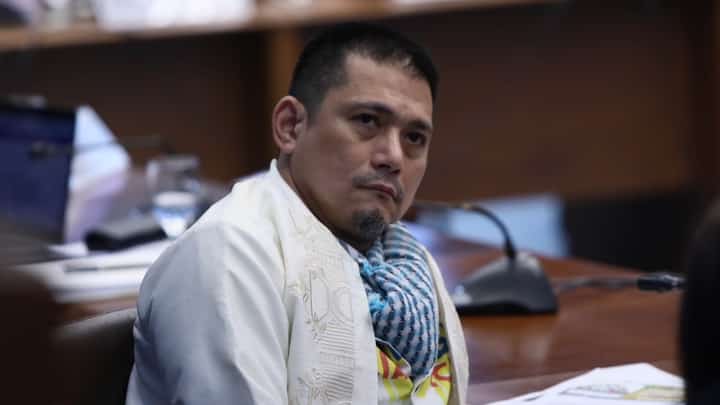
The Department of Justice (DOJ) on Thursday confirmed the issuance of subpoenas to Sen. Robinhood Padilla and his chief of staff, retired Lt. Col. Jean Alla Yasin Robles, in connection with a complaint accusing them of violating the law against obstruction of the apprehension and prosecution of criminal offenders.
Justice Undersecretary Ian Dato said a panel of prosecutors from the National Prosecution Service issued the subpoenas on 11 September, directing the respondents to appear before the panel and submit their counter-affidavits and supporting evidence.
The hearings are scheduled for 25 September and 9 October at 2 p.m. at the DOJ.
The complaint was filed by the Philippine National Police through the Criminal Investigation and Detection Group (CIDG) under Presidential Decree 1829, or the law penalizing obstruction of the apprehension and prosecution of criminal offenders.
The case involves allegations that Padilla and others helped former police chief and Sen. Ronald “Bato” dela Rosa leave the Senate premises on 14 May, after authorities attempted to arrest him pursuant to an arrest warrant issued by the International Criminal Court.
Padilla maintained that Dela Rosa merely hitched a ride with him.
Dato stressed that the issuance of subpoenas does not mean that the respondents have been found guilty or that the DOJ has determined that a prima facie case exists against them.
“This is the preliminary investigation stage where respondents are given the full opportunity to answer the allegations before any finding of a prima facie case is made,” Dato said.
He said the DOJ would resolve the complaint based strictly on the evidence and applicable law, regardless of the position of any party.
Dato also clarified that the DOJ complaint is separate and independent from any matter involving the ICC.
He said the department is duty-bound to evaluate complaints filed by law enforcement agencies and give respondents an opportunity to answer the allegations.
“The complaint that the Philippine National Police has already filed its complaint and it is now up to the respondents to submit their counter-affidavits with the supporting evidence,” Dato said.
He declined to discuss the merits of the complaint, saying the matter was already before the prosecutors’ panel.
Dato also said the PNP-CIDG could still take further investigative steps, but there was no request or determination at present for additional action by the DOJ.
Failure by the respondents to appear at the scheduled hearings would be considered a waiver of their right to present a defense, after which the panel could resolve the case based on the evidence on record.
The DOJ proceedings will proceed independently of matters outside the case, with prosecutors following the procedures prescribed in the department’s manual.
The latest action formally moves the complaint into the preliminary investigation stage, where the respondents are given the opportunity to answer the allegations before prosecutors determine whether the evidence warrants further proceedings.