
Gov't puts waste reduction on ASEAN agenda
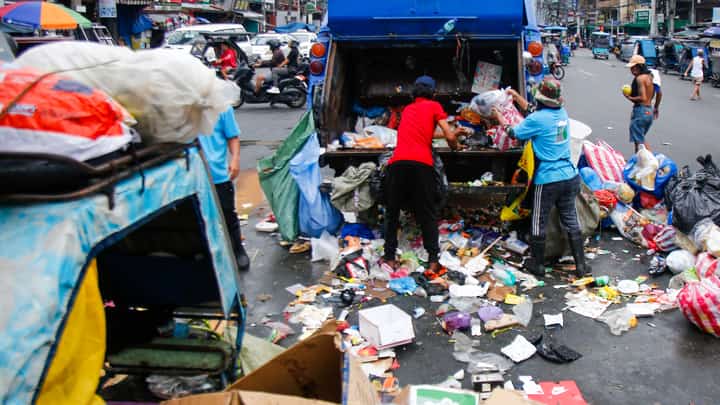
The Philippines will lead a regional push to move ASEAN economies away from the traditional “take-make-dispose” model as it convenes policymakers, businesses and civil society groups for a dialogue on circular economy.
The ASEAN Regional Dialogue on Circular Economy will be held on 22 to 23 September 2026 at the New World Hotel Makati under the Philippines’ ASEAN Chairship.
The two-day meeting will explore policies and financing mechanisms that can encourage businesses and communities to reuse materials, expand recycling and improve resource efficiency as the region grapples with growing volumes of plastics, packaging and electronic waste.
Discussions will cover national circular economy policies, the role of local governments, Extended Producer Responsibility and other regulatory tools, as well as financing and market mechanisms needed to scale circular businesses.
A session will also focus on micro, small and medium enterprises and informal waste workers, with participants looking at ways to ensure they benefit from the transition as waste recovery systems become more formalized.
Environment Secretary Juan Miguel T. Cuna earlier said long-term solutions must address waste problems at their source and strengthen measures against the repeated abuse of natural resources.
The initiative is anchored on the ASEAN Framework for Circular Economy, the ASEAN Sustainable Consumption and Production Framework and the ASEAN Regional Action Plan on Marine Debris.
Beyond environmental gains, the dialogue is expected to highlight opportunities for new livelihoods and businesses built around recycling, reuse and resource recovery.