
A CITY SHOULDN’T BE HERE
Running water in the desert. Tropical birds far from the tropics. A city whose people we still can’t quite identify. Paquime in Mexico gets stranger the closer you look.
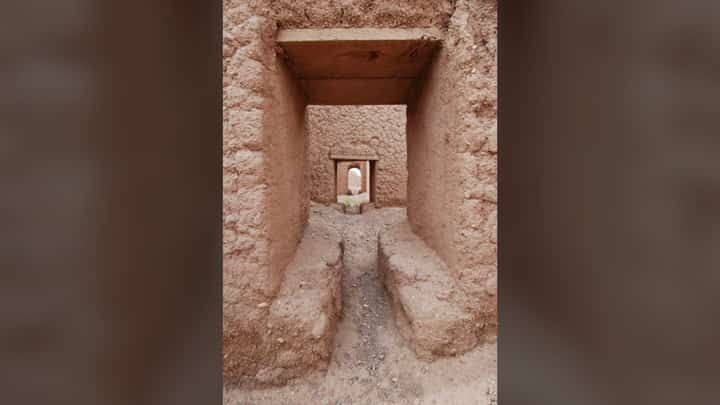
Paquime, located in Chihuahua, Mexico, was inscribed on the UNESCO World Heritage List in 1998. Also known as Casas Grandes, this remarkable archaeological site offers a glimpse into one of northern Mexico’s most important pre-Hispanic settlements.
And there is much more here than old adobe walls.
At its height, Paquime had around 2,000 rooms, with homes, workshops, storage areas and courtyards.
Some buildings rose several stories, possibly as high as four floors. Its small T-shaped doorways remain one of its most curious architectural features.
Even more impressive was what ran underneath and around those buildings: water.
Paquime’s inhabitants developed a hydraulic system that carried fresh water from a spring roughly five kilometers away, with channels, reservoirs and drains serving a city built in the dry Chihuahua landscape.
When visiting the site, you can explore ruins including the House of the Ovens, House of the Serpents and House of the Macaws.
Macaws?
Evidence suggests Paquime’s inhabitants kept and bred these brightly colored tropical birds in the desert.
Their feathers were prized, and Paquime became part of a large trading network connecting Mesoamerica with northern Mexico and what is now the southwestern United States.
Copper, turquoise, marine shells, obsidian and ceramics traveled through these networks. Paquime even had ball courts and ceremonial mounds, including forms associated with birds, Venus and a Great Serpent.
Yet one of the most fascinating things about Paquime remains unanswered.
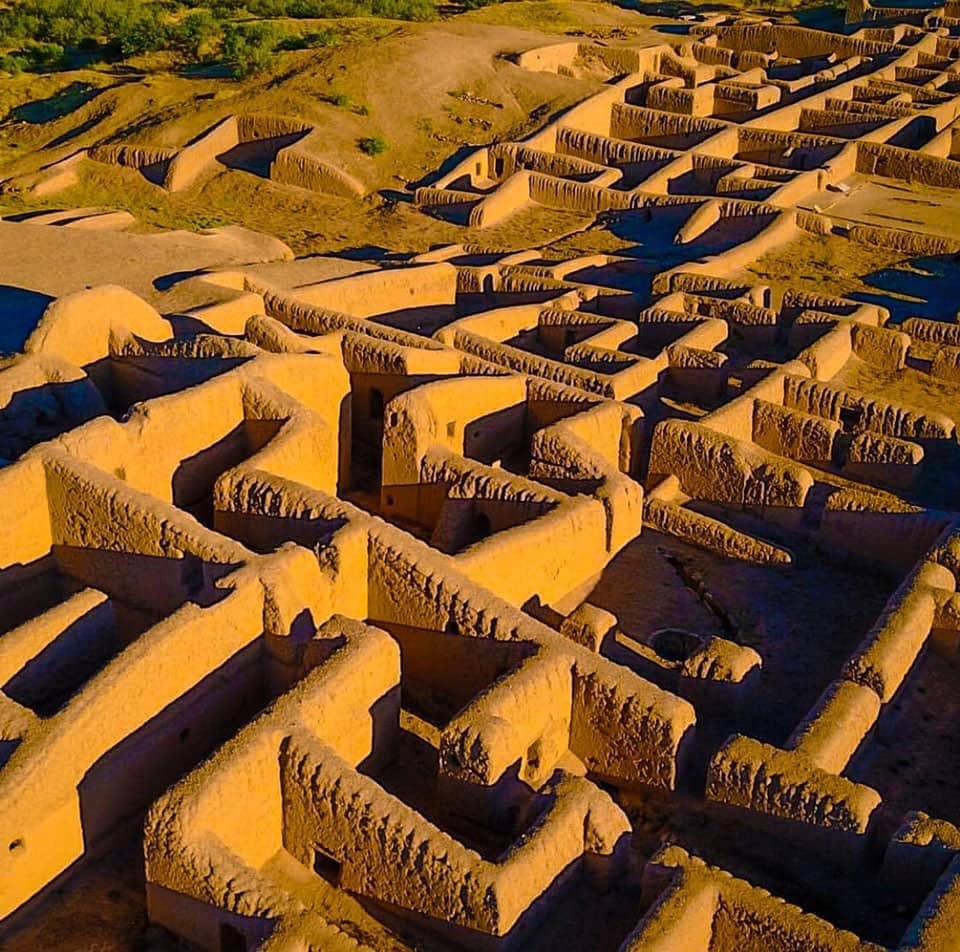
We still do not know exactly who its inhabitants were.
Their precise linguistic and ethnic identity remains uncertain. Paquime flourished particularly during the 14th and early 15th centuries before declining and eventually being abandoned.
After exploring the ruins, visit the Museum of the Cultures of the North, where ceramics and objects from everyday and ceremonial life help fill in the story.
The region’s pottery tradition later found new life in nearby Mata Ortiz, where artisan Juan Quezada helped make its distinctive ceramics internationally famous.