




Summer capital eyes ‘Pasadang Pambarangay’

Text size
Share
Share
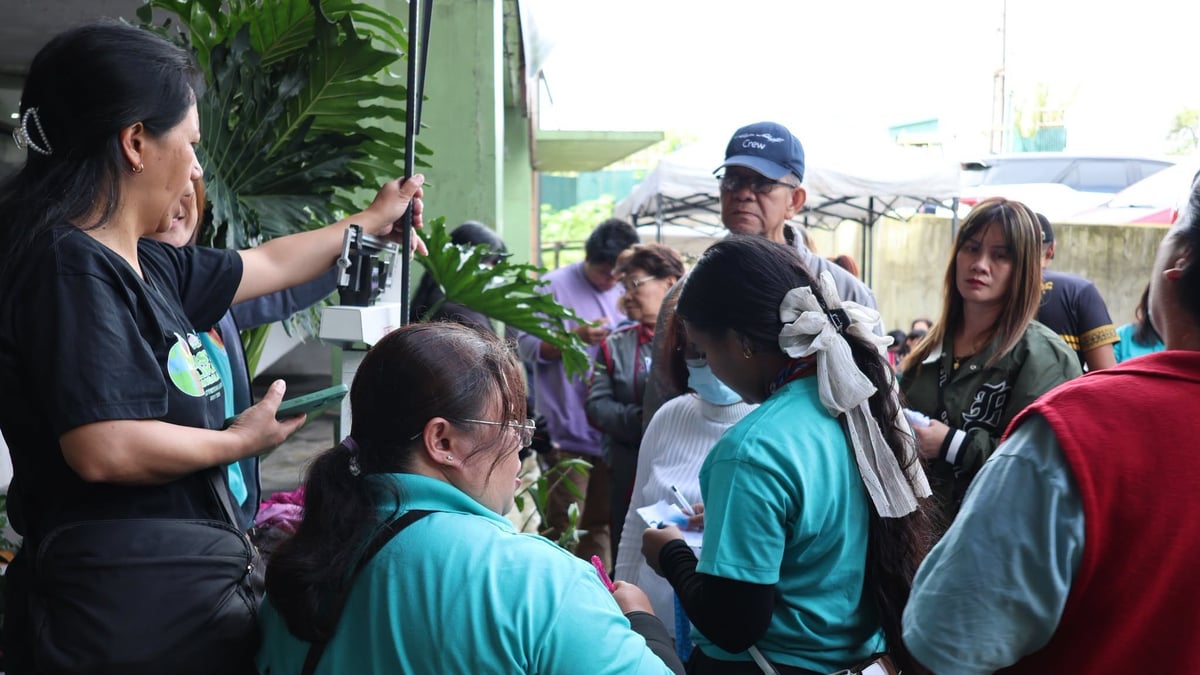
BAGUIO CITY — If enacted into law, the proposed “Pasadang Pambarangay” will serve all 128 barangays of Baguio City through regular, continuous and nonpartisan mobile government services.
According to Liga ng mga Barangay (LnB) Baguio chapter president Rocky Aliping, the proposed ordinance seeks to institutionalize the program with dedicated annual funding, preventing interruptions caused by political transitions or changes in administration.
The Special Services Division under the City Mayor’s Office will serve as the lead implementing unit, handling the program’s planning, scheduling, logistics and monitoring in coordination with the City Health Services Office, barangay officials, the LnB Baguio City Chapter, participating national agencies and private stakeholders.
Each deployment will provide services covering medical care, social welfare assistance, educational campaigns, environmental protection and community development. The program will follow a year-round rotation schedule, using accessible venues such as multipurpose halls, covered courts and designated open spaces.
An initial annual allocation of P500,000 from the city budget will fund the program under the City Mayor’s Office. Additional funding in succeeding years may be included in the regular or supplemental city budgets, subject to council approval and auditing rules.
The local government may also partner with national agencies, civil society organizations, academic institutions and medical associations to expand services without additional costs to the city.
