
Beyond lock and key: Smarter way to stay safe
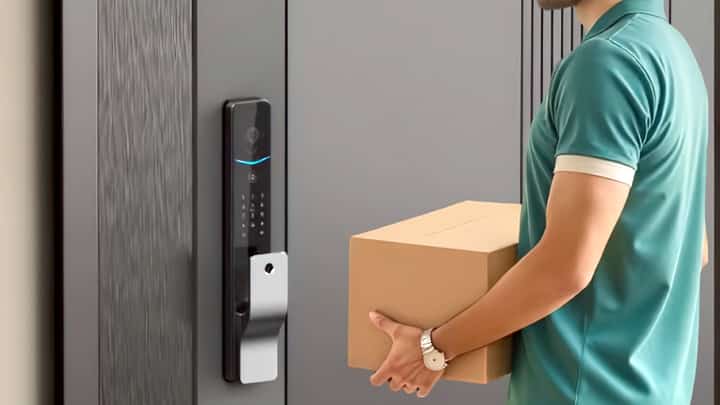
There’s an old assumption baked into every lock and every safe: that the world outside your door is a threat to be managed. Bolt it, reinforce it, hide the valuables, hope for the best. It’s a mindset that has sold a lot of hardware over the years, but it’s also a tiring way to think about home.
Somewhere along the way, security became less about who might get in, and more about who actually deserves to.
That shift was on full display at a media event held at Boudica Megatower, where Philips unveiled its latest smart lock and safe box lineup under a campaign called Unlocking Quiet Luxury. The framing was less about specs and more about a simple question every household already knows the answer to: who do you actually trust with your door, and with what’s behind it.
Secured and safe
Most homes don’t need to keep out everyone. They need to let in the right few, a partner, a parent, a housekeeper, a trusted few, and keep everyone else out without turning the front door into a checkpoint.
That’s the quieter, more practical version of home security this new generation of devices is chasing. Instead of competing on how many codes a lock can store or how much force a safe can withstand, the pitch here is about precision: knowing exactly who has access, and being able to change that instantly.
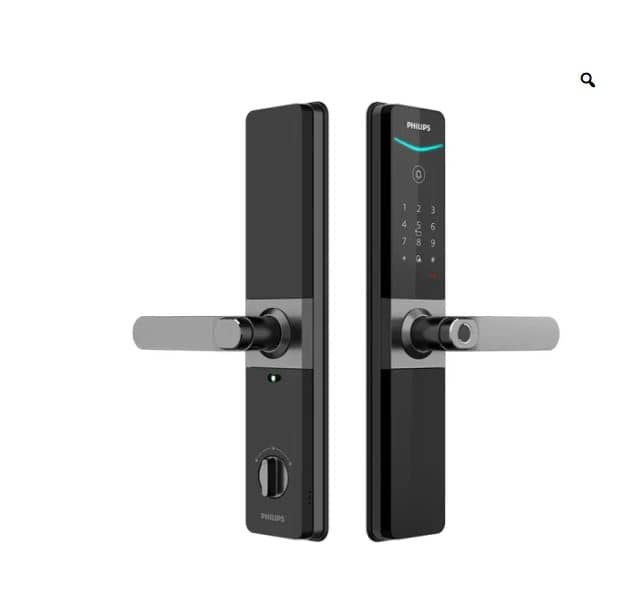
THIS Philips smart lock secure your space with Fingerprint, Pin Code, Key, Smartkey and Home Access App.
It also tracks with how people are actually shopping for their homes these days. A lock bought purely out of fear tends to feel like a grudge purchase, something you deal with and forget. A lock bought because it fits the way you already live, because it feels considered rather than defensive, starts to feel more like a fixture choice than a security decision.
That distinction matters more than it sounds. A spec sheet can always be matched by a competitor.
A home that only opens for the people who belong there is much harder to copy.
The safe boxes shown at the event lean on biometrics first. A quick touch of a finger unlocks them, with a PIN as backup, and they’re built with fireproofing and anti-theft protection baked in. If someone tries to force one open or even just bumps it the wrong way, a smart alert lands on a phone almost instantly.
There are versions sized for household valuables and others built for office use, which says something about how blurred the line between home and workplace security has gotten.
The locks take a similar approach.
Entry works through facial recognition, fingerprint, or PIN, no physical key required, and doors lock themselves the moment they close, removing the very human habit of forgetting.
Access can be granted or revoked in real time through a phone, which means a spare key never has to exist in the first place. Lost your housekeeper’s trust, or she’s simply moved on? Her access disappears with a tap, no locksmith required.