
Losing weight without losing strength


For many people with obesity, the scale is finally moving. GLP-1-based medications like semaglutide and tirzepatide have changed what is medically possible, reducing appetite and producing substantial weight loss with metabolic benefits.
But a lighter body is not automatically a stronger one.
Whenever we lose a significant amount of weight — whether through diet, surgery, or medication — we usually lose some lean mass along with fat. This loss deserves attention. Studies show that approximately three-quarters of the weight lost from using GLP-1 medications is fat, while one-quarter is lean mass.
These findings do not mean that GLP-1 medications uniquely “melt muscle.” Some lean tissue loss is expected with weight reduction, but these studies remind us that success cannot be judged by the weighing scale alone.
Muscle allows us to climb stairs, rise from a chair, carry groceries, maintain balance, and remain independent. It also helps the body use glucose. The concern becomes greater for older adults, postmenopausal women, sedentary individuals and people who begin treatment with little muscle.
This is why a prescription for weight loss must include a prescription for exercise. Walking, cycling, swimming, and aerobic activities support cardiovascular fitness and weight maintenance. Resistance exercise sends the body a different message: this muscle is still needed. Weights, resistance bands, body-weight squats, wall push-ups and stair climbing all work. Most adults should aim for muscle-strengthening activities involving major muscle groups at least twice weekly, alongside about 150 minutes of moderate aerobic activity.

SWIMMING is a low-impact aerobic activity that can help support cardiovascular fitness, mobility and healthy weight management.
PHOTOGRAPH courtesy of marcus ng/unsplash
Scientific evidence supports this partnership. Combining exercise with GLP-1 medications produces the greatest weight and fat loss while preserving lean mass and bone mineral density.
Nutrition is the other half of the plan. Because these medications reduce hunger and may cause early fullness, people can unintentionally eat too little or choose foods that provide calories without enough nutrients. Smaller meals must remain purposeful.
Include protein through fish, eggs, chicken, lean meat, milk, yogurt, tofu, beans, or other suitable sources. Vegetables, fruits, whole grains and healthy fats provide fiber and micronutrients, while adequate fluids prevent dehydration.
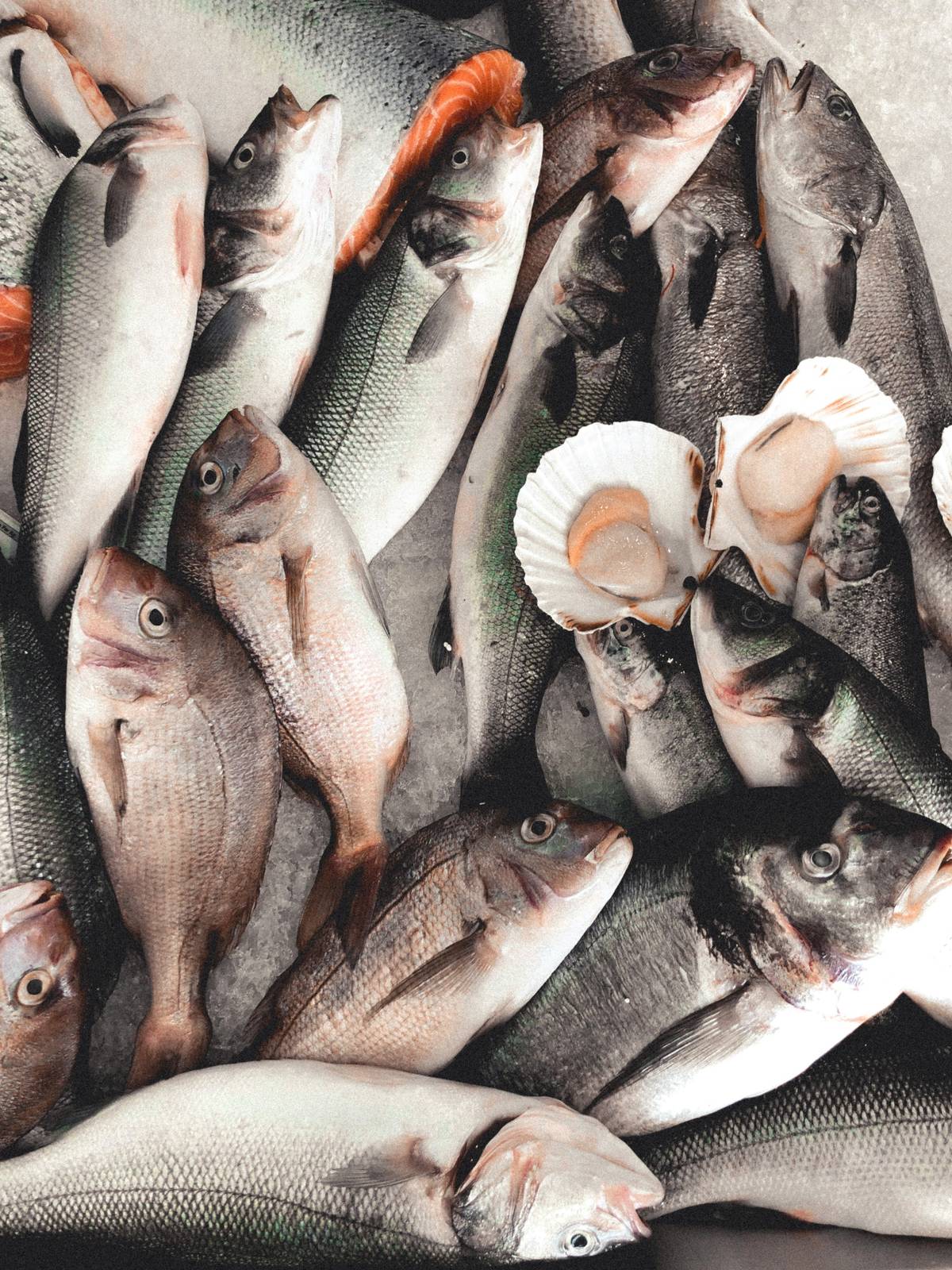
FISH is a nutrient-rich protein source that can be included in a balanced diet to support muscle maintenance.
PHOTOGRAPH courtesy of karl muscat unsplash
Protein needs should be individualized, especially for older people and those with kidney disease. A joint advisory from major nutrition and obesity organizations emphasizes nutritional assessment, adequate protein, strength training, sleep and consistent follow-ups throughout GLP-1 treatment.
Then comes the question many patients eventually ask: “Will I regain the weight if I stop?”
Regaining weight is unfortunately common. In research studies, participants regained about two-thirds of their weight loss in the year after stopping GLP-1 medication. This is not proof of weak willpower; obesity is a chronic, relapsing disease, and the biological signals promoting hunger can return when treatment ends.
Exercise does not guarantee permanent weight loss, but it improves the odds. Studies found that people who combined exercise with GLP-1 medication maintained more weight loss one year after both interventions ended compared to those who received the medication alone.
Medication should not be stopped simply because a target weight has been reached. The World Health Organization now describes GLP-1 therapy, when appropriate, as part of long-term, person-centered obesity care. Decisions must consider effectiveness, side effects, cost, medical conditions, and patient preference. Whether treatment continues or eventually stops, resistance exercise, regular activity, nutritious meals, sufficient sleep, and medical follow-ups remain essential.
The best result is not merely a smaller body. It is a body that can lift, walk, balance, work and carry us through the years ahead. The goal is weight lost, health gained and strength kept.