
Oxygen pumped into tunnel as 100+ workers remain trapped in Nepal floods

Emergency crews in Nepal pumped oxygen into a buried hydroelectric tunnel late Saturday, offering a critical lifeline to more than 100 workers trapped following catastrophic flooding in the region.
The site, part of the Trishuli 3A hydropower project, has become a key focus of rescue efforts as the combined number of people missing in Nepal and China approaches 3,000.
Nepali Home Minister Sudan Gurung said heavy excavation was underway to allow a rescue team to enter the tunnel.
The disaster began days earlier when a tsunami-like torrent of ice, mud and debris swept through the Himalayas, destroying entire settlements. Flash floods triggered by a sudden glacial collapse caused the devastation.
UN climate chief Simon Stiell warned that the disaster highlights the growing vulnerability of mountain ecosystems amid global warming.
The official death toll has reached 682, including 675 confirmed deaths in Nepal and seven in Tibet. Authorities fear the actual toll could be significantly higher, as floodwaters carried victims downstream into neighboring India, where seven bodies have been recovered.
In Nepal, 2,426 people remain unaccounted for, including 933 hydropower workers and 517 foreigners, mostly trekkers and Hindu pilgrims traveling to Mount Kailash.
Meanwhile, China reported 554 people missing in Tibet’s Gyirong region, along with seven confirmed deaths. Chinese state media said 555 tourists and 499 residents had been evacuated from affected areas in Tibet.
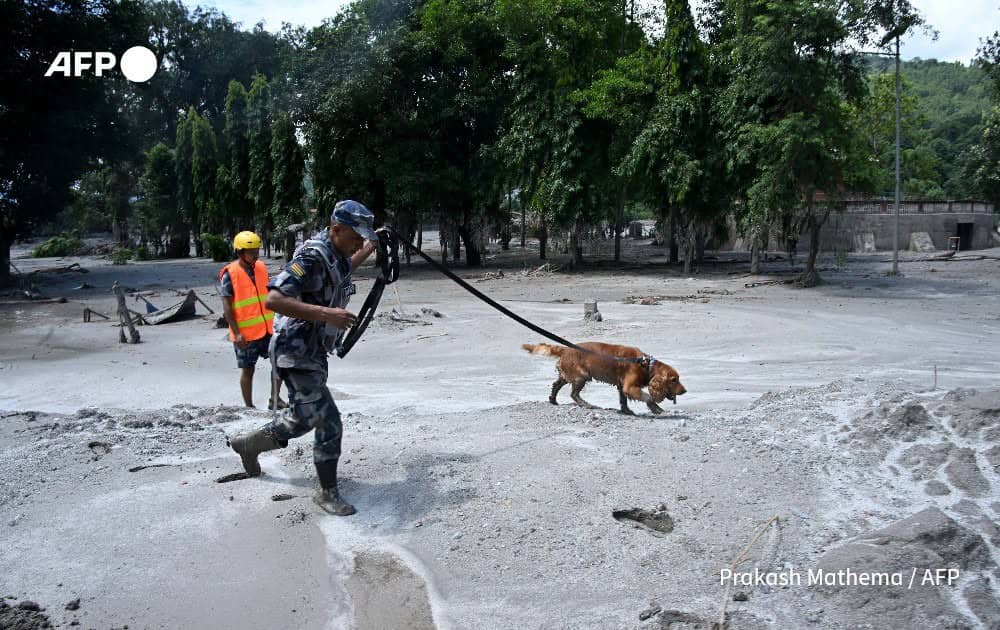
Photo courtesy of AFP News Agency
With thousands still unaccounted for, families of the missing are confronting grim realities.
"I don't think there is any hope left," Kalka Sharda said, whose 18-year-old son, Vinod, was working at a hydropower plant when the deluge hit.
"If he was alive, he would have found a way to get in touch," Sharda said.
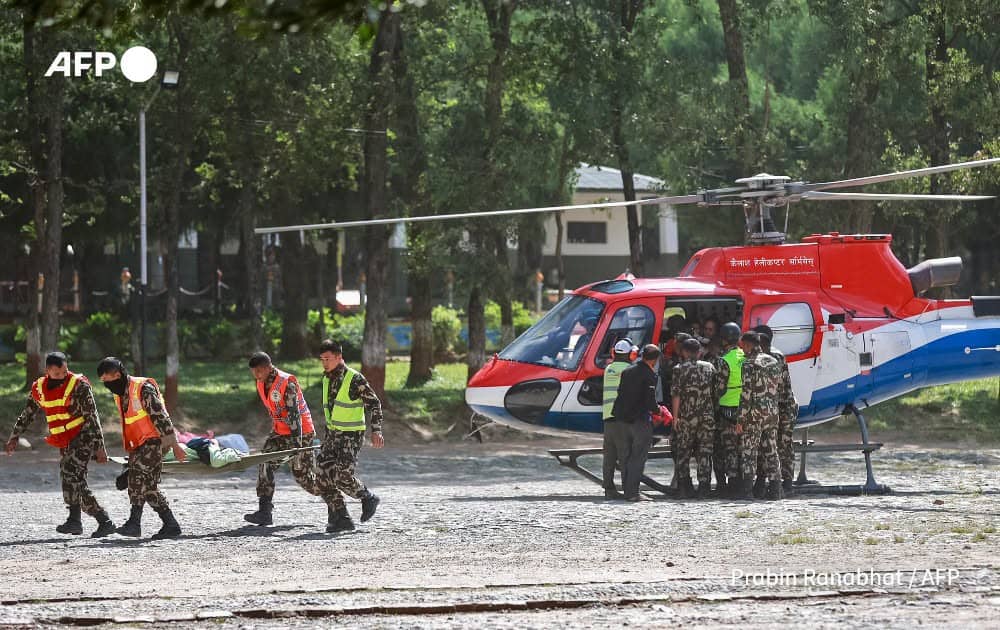
Photo courtesy of AFP News Agency
Search efforts face severe disruption from newly formed debris lakes that threaten secondary floods.
In Tibet, Chinese authorities temporarily suspended rescue operations for 2,141 deployed personnel in Gyirong due to flood risks from unstable water formations.
Addressing the long-term impact, Nepali Foreign Minister Shisir Khanal warned that rebuilding costs would reach billions of dollars.
As of now, the focus remains strictly on immediate survival and recovery.
In response to the growing humanitarian crisis, the United States announced an additional $3.6 million in emergency food and relief aid to Nepal on Saturday, building on an initial $500,000 pledge.