
ERC ruling puts system loss outside VAT net
An ERC-issued resolution declares allowable system loss charge an inherent government-mandated pass-through cost that does not form part of the gross sales of generation companies, the National Grid Corporation of the Philippines, and distribution utilities for VAT purposes. If confirmed by the BIR, the decision would remove the VAT currently imposed on the system loss component of electricity bills, helping lower costs for consumers.

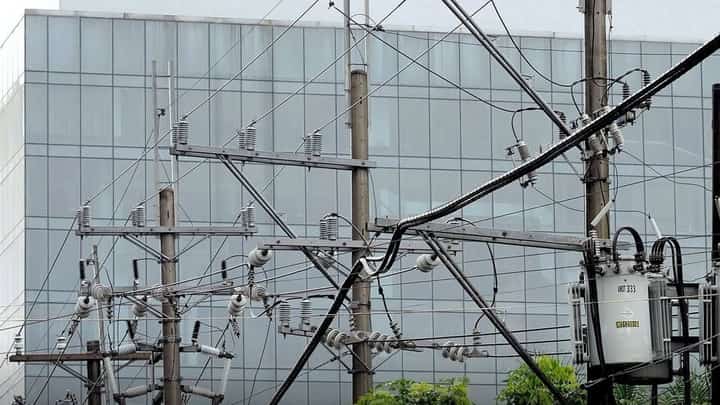
IF an Energy Regulatory Commission resolution declaring the System Loss Charge as a government-mandated pass-through cost that should not form part of the gross receipts of generation companies, the NGCP and DUs, for purposes of the 12 percent VAT under the National Internal Revenue Code gets the nod of the BIR, the VAT on the system loss charge will be scrapped, giving immediate and direct relief to electricity users nationwide.
PHOTO courtesy of PHILIPPINE NEWS AGENCY
The Energy Regulatory Commission (ERC) has ordered system loss charges removed from the 12-percent value-added tax (VAT) base, potentially cutting electricity bills by excluding the pass-through cost from the taxable gross sales of power companies.
The relief, however, is not yet automatic. The ERC’s 26 August resolution will take effect prospectively following its publication and upon the effectivity of a confirmatory issuance from the Bureau of Internal Revenue (BIR).
Under the resolution, the ERC declared the allowable system loss charge an inherent government-mandated pass-through cost that does not form part of the gross sales of generation companies, the National Grid Corp. of the Philippines and distribution utilities (DUs) for VAT purposes.
BIR nod needed
If confirmed by the BIR, the decision would remove the VAT currently imposed on the system loss component of electricity bills, helping lower costs for consumers.
“The allowable system loss charge is a government-mandated pass-through cost. It is therefore appropriate that it should not form part of the VAT base,” ERC chairperson and CEO Atty. Francis Saturnino C. Juan said on Saturday.
The ERC said the system loss charge represents the recovery of costs associated with allowable electricity losses under the regulatory framework, rather than revenue earned from selling electricity or providing services.
Electricity generated, paid for, but physically lost
System loss refers to electricity that has already been generated and paid for but is physically lost as it moves through the distribution system before reaching consumers.
These losses include technical losses in conductors, transformers and other distribution equipment, as well as non-technical losses caused by pilferage, illegal connections and meter tampering.
Consumers, however, are only charged for system losses within ERC-prescribed caps. Losses exceeding those limits cannot be passed on and must instead be absorbed exclusively by the concerned distribution utilities.
The ERC regulates the recovery of allowable losses through the System Loss Rate adjustment mechanism and applicable system loss caps.
Make charge more visible on electricity bills
The ruling will also require power distributors to make the charge more visible on electricity bills.
Within 60 days from the effectivity of the resolution, all DUs must modify their billing formats to separately and distinctly show system loss as a government-mandated line item that is not subject to VAT.