
BSP sees August inflation easing slightly
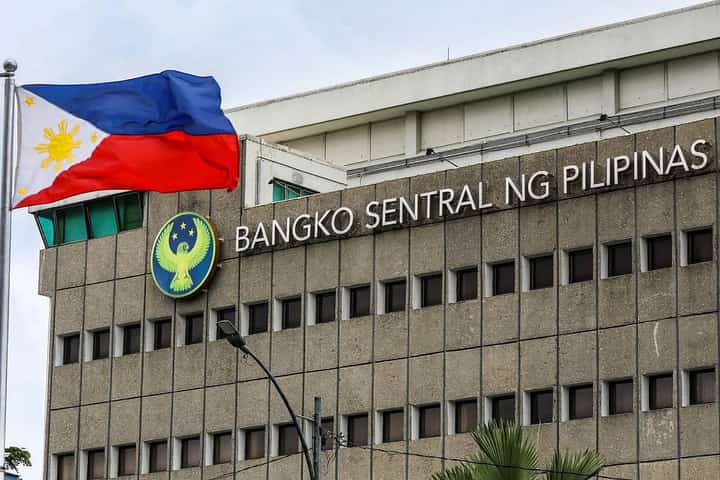
The Bangko Sentral ng Pilipinas (BSP) projects August inflation within the range of 5.5 to 6.5 percent, a modest reduction from its forecast for July, when headline inflation declined for the third consecutive month to 6.2 percent.
In a Friday statement, the BSP said upside pressures may stem from select food prices, inclement weather and persistently elevated fuel costs.
“Upward price pressures for the month are likely to be driven by higher rice, vegetable, fruit, and fish prices, partly due to unfavorable weather conditions, and elevated domestic fuel costs,” it said.
“These upward pressures are expected to be mitigated by lower prices of meat, as well as lower electricity rates and the peso appreciation,” it added.
July inflation settled at 6.2 percent, within the BSP’s forecast range of 5.6 to 6.5 percent for the month.
The acceleration in headline inflation—which remains nearly seven times higher than the July figure recorded last year—has largely been driven by first and second-round effects of the global energy shock, prompting the central bank to hike interest rates three times since March.
However, its latest hike, enacted on Thursday, was described by BSP Governor Eli Remolona Jr. as a “preemptive” move in response to pressures beyond the energy shock.
“Posing further risks to inflation is the possible impact of a severe El Niño event and potential minimum wage adjustments. These underlying price pressures require preemptive monetary action,” he said at a Thursday press conference.
The Department of Agriculture earlier this year reconvened Task Force El Niño as authorities prepare for the possible onset of the weather phenomenon, which could disrupt crop production during the wet season and extend into a drought through early next year.
The agency estimated that rice production could decline by as much as 700,000 metric tons, or about 3.5 percent of projected annual output, depending on the severity of the event.
Remolona added on Thursday that the BSP will “tighten as much as necessary” to bring inflation down to its annual 3 percent target, which it projects will be exceeded through 2028 despite some revisions to its forecasts.
BSP Assistant Governor Roger Mercado said the lower headline inflation readings over the past three months formed the basis for the central bank to lower its 2026 inflation forecast to 6.1 percent from 6.4 percent previously.
“For 2027, our inflation forecast is now at 5.4 percent. This is up from 4.5 percent, and it will be driven by the impact of severe El Niño on rice prices,” he said.
“For 2028, our latest central forecast is that inflation will return to around 3.3 percent, which is close to our target and within the tolerance range.”