
Inflation seen easing for third straight month
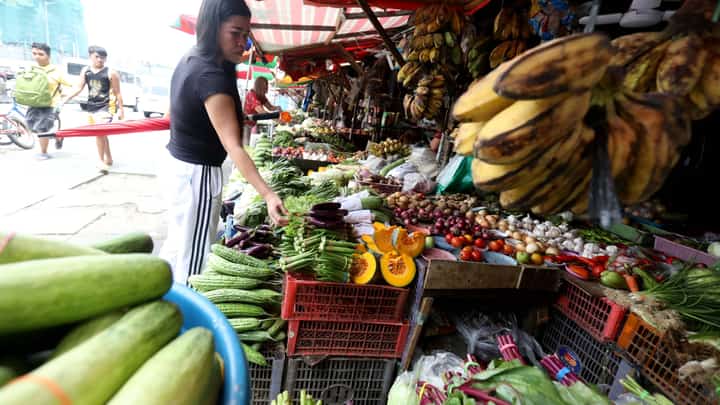
The Bangko Sentral ng Pilipinas (BSP) expects inflation to ease for a third consecutive month in July as lower prices of key food items help offset the broader impact of the ongoing energy shock.
In a statement on Friday, the central bank said it expects July inflation to settle within a range of 5.6 percent to 6.6 percent, lower than its June forecast range of 6.0 percent to 7.0 percent.
"Upside price pressures during the month could stem from elevated domestic petroleum pump prices, higher electricity rates, increasing fish prices, and the depreciation of the peso against the strengthening US dollar," the BSP said.
"These pressures are expected to be mitigated by lower prices of key food commodities, including rice, meat, vegetables, and fruits."
Inflation has slowed for two consecutive months after reaching a three-year high of 7.2 percent in April, helped by easing tensions in the Middle East and government-mandated fuel price rollbacks.
However, a peace agreement reached in principle by the United States and Iran in June quickly unraveled, with both countries resuming military strikes throughout July, leading to the reinstatement of the US blockade of the Strait of Hormuz. Renewed geopolitical tensions pushed global oil prices higher, triggering sharp increases in domestic fuel prices over the past two weeks.
Bank of the Philippine Islands (BPI) Lead Economist Jun Neri likewise said in a commentary on Friday that headline inflation likely slowed further in July, as lower food prices offset the impact of higher global oil prices.
"The monthly increase reflected higher electricity rates and domestic fuel prices following the rise in global oil prices amid renewed hostilities in the Middle East. Inflation was also lifted by the partial impact of the reinstatement of excise taxes on LPG and kerosene, which added to household energy costs," he said.
"While food inflation likely remained relatively contained amid continued improvements in rice supply, the rebound in energy-related costs more than offset the easing in selected food items."
Neri said BPI expects July inflation to settle at 6.2 percent. He cautioned, however, that significant upside risks remain, including the ongoing Super El Niño and the recent minimum wage increase, both of which could add to inflationary pressures already fueled by the Middle East conflict.
"Key upside risks include the ongoing Super El Niño, which could lift not only food prices through weaker agricultural output but also electricity and water costs as lower reservoir levels reduce hydropower generation and strain water supply," he said.
"Meanwhile, elevated fertilizer costs could pressure farm production, while the first tranche of the P85 NCR daily minimum wage hike could reinforce second-round inflationary effects through higher labor costs and stronger wage-price dynamics."
Neri said he expects the BSP to maintain its hawkish policy stance in light of lingering inflationary pressures stemming from the conflict in the Gulf.