
PAL signs up to stricter NAIA standards
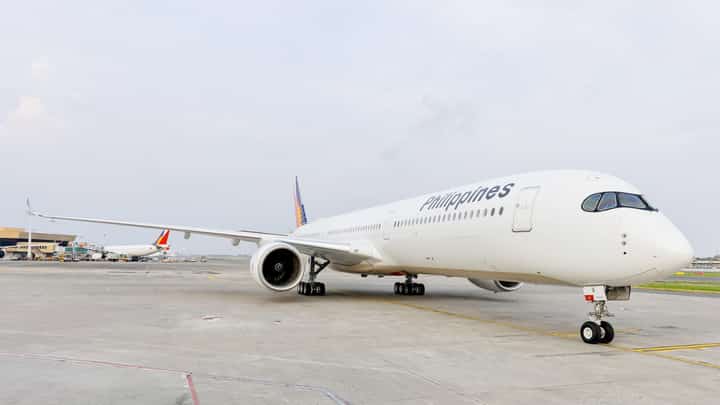
Philippine Airlines (PAL) will operate under stricter performance standards at Ninoy Aquino International Airport (NAIA) as the gateway’s private operator tightens accountability and improves the handling of passengers, baggage, and aircraft.
New NAIA Infra Corp. (NNIC) and PAL signed an Airport Use Agreement (AUA) that sets key performance indicators for the flag carrier and aligns its operations with the service levels NNIC must meet under its concession agreement with the government.
The agreement is the first standardized arrangement with an airline since NNIC took over NAIA and is intended to serve as a template for similar deals with other carriers operating at the country’s main gateway.
“This agreement gives us a clearer framework for setting expectations, measuring performance, and working together to maintain consistent service standards,” NNIC President and CEO Ramon S. Ang said on Tuesday. “That is important to making airport operations more efficient and dependable.”
The AUA governs PAL’s use of airport facilities and infrastructure and spells out the respective responsibilities of the airline and airport operator.
The service levels form part of PAL’s contractual obligations and include mechanisms for addressing persistent failure to meet agreed standards.
The framework is aimed at improving coordination across airport operations, where delays in check-in, boarding, baggage handling, ramp operations or aircraft turnaround can affect succeeding flights and disrupt the wider airport.
By setting common performance requirements and clearer accountability, NNIC said it would be better positioned to monitor service levels, pinpoint operational problems, and require corrective action when necessary.
“This is a positive development for both PAL and NNIC, and ultimately for our passengers. It supports the continuing modernization of NAIA and our collective goal of delivering a better airport experience,” Lucio Tan III, President and COO of PAL Holdings, the parent company of PAL, said.
NNIC is taking a similar approach with ground handling companies and other service providers performing critical functions on behalf of airlines at NAIA.
The arrangements are aligned with existing government regulations and NNIC’s obligations under the NAIA concession.
NNIC has been upgrading terminal facilities, airport systems, airfield infrastructure and passenger amenities since taking over NAIA operations in September 2024 as it works to address long-standing capacity and operational constraints.
The new operating framework extends the modernization drive beyond physical upgrades by setting clearer standards for how airlines, service providers and the airport operator work together.