
School shootings
The weakness is that our law does not create a specific offense for negligently allowing a minor to obtain a firearm.
The Philippines has begun to confront one of the most frightening problems long associated with the United States and other Western countries. On 22 June, two students opened fire at a school in Tacloban. Then, on 18 August, another student opened fire at Ateneo de Zamboanga University, killing one student before taking his own life while livestreaming parts of the attack.
Harrowing as it is, our children are consuming much of the same culture through social media, streaming platforms and video games. This does not prove that any platform or game caused either shooting, but it may mean that violent images, grievances and the desire for online attention can cross borders faster than parents, schools and government can respond.
There are many areas of possible accountability. Investigators must examine campus security, how the weapons passed through the entrance, whether warning signs were missed and whether the administrative response was adequate. More importantly, schools should make child safety a regular subject in orientations and parent meetings. Parents must know the security procedures, how to report warning signs and what families must do when firearms are kept at home.
However, the first and most unavoidable question begins before the student reached the school. How did a minor obtain two firearms and carry them onto the campus? Authorities said both pistols belonged to his father, a Customs Police officer. One was a Glock .40-caliber pistol issued by the Bureau of Customs, while the other was his personal firearm. Customs officials said the guns had been left inside a vehicle accessible to the child.
If confirmed, this was not merely careless storage of private property. A government-issued firearm is public property entrusted to an officer for an official purpose. Republic Act 10591, the Comprehensive Firearms and Ammunition Regulation Act, allows a firearm license to be suspended, canceled or revoked when a weapon is lost through negligence. It also penalizes transferring a firearm to an unlicensed person, although an actual transfer must be proved. Article 365 of the Revised Penal Code may apply if reckless imprudence and a direct causal connection are established.
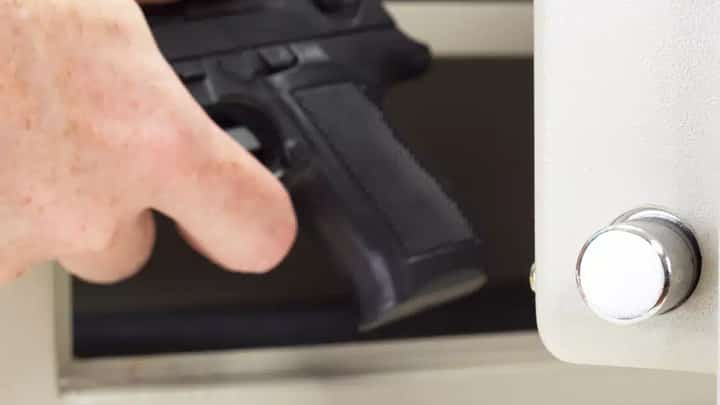
The weakness is that our law does not create a specific offense for negligently allowing a minor to obtain a firearm. House Bill 10058, the proposed Child Safety Against Gun Violence Act, seeks to close that gap. It was filed by Akbayan Reps. Perci Cendaña, Chel Diokno and Dadah Ismula, together with Dinagat Islands Rep. Kaka Bag-ao. As of 23 August, it remains pending before the House Committee on Public Order and Safety.
The bill would require owners living with minors to keep guns unloaded in tamper-resistant safes and store ammunition separately. It would also impose clearer civil and firearm-license consequences. Congress should act with urgency, while the government audits service firearms and schools hold serious discussions with parents. Our children’s safety cannot depend only on guards and metal detectors. It must begin with responsible adults keeping deadly weapons beyond a child’s reach.