
A death in Bangkok
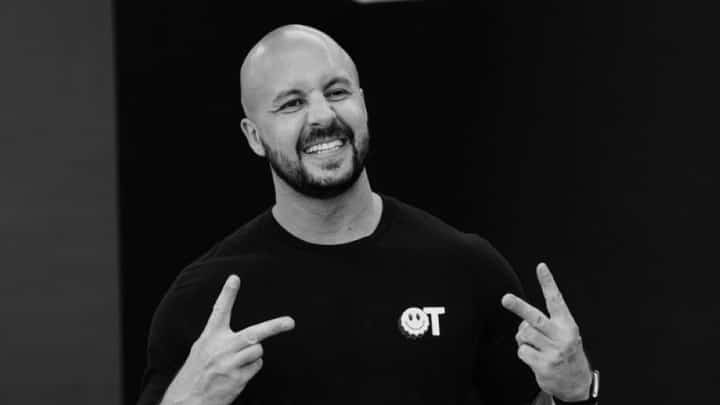
Leroy Saunders was 41. He was a Muay Thai fighter, a CrossFit coach, the owner of IAOT CrossFit in Bangkok, and the founder of Fight By Design, a strength and conditioning program built for combat-sports athletes.
On 13 August, he collapsed while competing in the men’s doubles category of Hyrox Bangkok 2026 — the same race I flew in for, the same convention hall floor I ran across days apart from where he fell. Medical staff worked on him. He was rushed to hospital but did not survive.
Within hours, the comment sections filled with a familiar verdict: Hyrox is dangerous. Hybrid training is a fad that kills. People should stick to what their bodies were built for. I understand the impulse. A man walked onto a race floor and did not walk off it, and grief wants somewhere to land. But blaming the sport is the laziest explanation available, and it is very likely the wrong one.
Here is what almost nobody says out loud: being able to compete in Hyrox does not mean a person is healthy. Fitness and health are not synonyms. A body can move heavy sleds, grind through wall balls, and post a respectable finish time while carrying real, invisible risk — an undiagnosed cardiac condition, an electrolyte imbalance, a heart that has been quietly straining for years. Saunders’s own family, in their statement, said they are still trying to understand what happened. That uncertainty deserves respect, not a rush to blame the finish line.
Consider, too, the diet many high-performing athletes actually eat. There is a widespread belief in fitness circles that enough training buys you a license to eat badly — that hours in the gym cancel out the effects of processed food, poor sleep, and chronic dehydration. It does not work that way. You cannot outrun, out-lift, or out-row a bad diet. Cardiovascular damage accumulates quietly regardless of how strong your legs are.
Then there is the harder subject: performance enhancers. At elite and semi-elite levels of any sport that rewards strength and endurance, some athletes turn to steroids or other substances to close the gap between where they are and where they want to be. I want to be careful here — I have no evidence this applies to Saunders, and it would be unfair to imply otherwise. But it is a documented reality of high-intensity sport generally, and any honest accounting of sudden cardiac events in athletic settings has to include it as a possibility, not just an act of God.
And then there are energy drinks — Red Bull happens to be a Hyrox sponsor, and it is worth understanding why cardiologists watch this category closely.
High caffeine doses trigger a surge of adrenaline that raises heart rate and blood pressure and can provoke arrhythmias in a heart that is already under strain from exertion and heat. Taurine, in large amounts, appears to affect how calcium moves in and out of heart muscle cells, altering the electrical rhythm that keeps a heartbeat steady. Stack either on top of a body already pushed to its cardiovascular limit in a hot, crowded convention hall, and you have a documented — if rare — pathway to sudden cardiac arrest. None of this proves what happened to Saunders. It simply illustrates how many variables exist beyond “the sport did this.”
We should commiserate with the Saunders family, and we should resist speculation while they wait for answers. But we should also resist the opposite temptation — writing off intense training altogether. For every athlete lost in a race like this, there are hundreds of us who have become stronger, healthier, and more resilient because of it. Hyrox did not kill Leroy Saunders. We don’t yet know what did.